
Cultures Books in Order
Part ofThomas Sowell Books in OrderSee the Cultures series by Thomas Sowell with books in order, short summaries, and context on his comparative work on race, migration, and cultural capital.
Last updated:
As an Amazon Associate, we earn from qualifying purchases (at no extra cost to you).
Cultures books in publication order
3 books
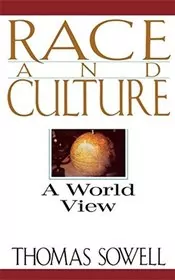
Race And Culture
by Thomas Sowell
1995
This book offers a broad look at how cultural “human capital”—skills, work habits, attitudes toward education, and entrepreneurship—shapes group outcomes across history. Sowell discusses migration, conquest, slavery, and race relations to argue that culture often outweighs genetics or formal politics.
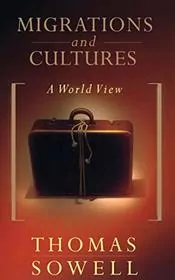
Migrations and Cultures
by Thomas Sowell
1996
Focusing on Germans, Japanese, Italians, Chinese, Jews, and Indians, Sowell examines how migrant groups carry skills, habits, and networks around the world. He shows how these cultural traits affected both the communities they entered and the societies they left behind.

Conquests and Cultures
by Thomas Sowell
1998
This volume examines how military conquest has reshaped societies over centuries. Through case studies of Britain, Africa, the Slavic world, and the indigenous peoples of the Americas, Sowell traces how imposed institutions, technologies, and cultural clashes influenced later economic and social development.
Cultures books in chronological order
Series background & context
The Cultures series gathers Thomas Sowell’s long‑running project on how culture, geography, and history shape the fortunes of peoples around the world. Across these books he looks less at headlines and more at long patterns of work, education, and migration.
The core volumes—Race And Culture, Migrations and Cultures, and Conquests and Cultures—trace how skills, habits, and “human capital” travel and change. Sowell returns often to simple but demanding questions: why do some groups thrive in many countries while others struggle, and how much of that story is culture rather than law or genetics?
In Race And Culture, he lays out the basic idea that attitudes toward work, saving, schooling, and entrepreneurship matter enormously for group outcomes. He moves from slavery and empire to middleman minorities and test scores, arguing that cultures are not fixed but do leave deep marks on economic and social life.
Migrations and Cultures follows Germans, Japanese, Italians, Chinese, Jews, and Indians as they move across continents. Sowell pays close attention to what they bring with them—trades, business networks, family patterns—and how those traits play out in places as different as Brazil, the United States, and Australia. The focus is on how migration redistributes knowledge and skills, not just people.
Conquests and Cultures looks at what happens when societies collide through military power. Using case studies such as Britain, Africa, and the Slavic world, Sowell explores how conquest can spread technology and institutions but also destroy or freeze local cultures. He is interested less in judging past empires than in tracing long‑term consequences.
Throughout the series, Sowell returns to themes that appear in his other work on race and economics. Legal discrimination, prejudice, and politics clearly matter, but he argues that they cannot fully explain persistent gaps between groups. Instead he emphasizes how isolation, access to trade routes, exposure to urban life, and inherited skills can tilt the playing field before any policy enters the picture.
Readers coming to the Cultures books should expect dense but direct prose, a heavy use of historical examples, and a strong skepticism toward simple stories about oppression or privilege. Taken together, the series offers a panoramic, sometimes uncomfortable look at how cultures rise, adapt, and sometimes fall in a world where geography and human choices are always interacting.














Edited by
Software engineer whose passion for tracking book recommendations from podcasts inspired the creation of MRB.
Lead investor at 3one4 Capital whose startup expertise and love for books helped shape MRB and its growth.
Comments
Did we miss something? Have feedback?
Help us improve this page by sharing your thoughts