
Corrie ten Boom Books in Order
Explore Corrie ten Boom's books in order, with summaries, background on her Holocaust story and Christian devotions, plus guidance on the best place to start reading.
Last updated:
As an Amazon Associate, we earn from qualifying purchases (at no extra cost to you).
Corrie ten Boom books in publication order
32 books
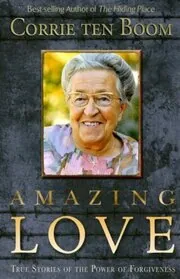
Amazing Love
by Corrie ten Boom
1953
Through a series of vivid postwar vignettes—from refugee camps to churches and conferences—Corrie tells how God’s love enabled her and others to forgive the seemingly unforgivable, offering down‑to‑earth pictures of what radical Christian forgiveness looks like.
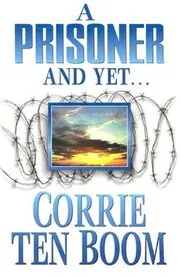
A Prisoner and Yet
by Corrie ten Boom
1954
Written soon after the war, this early memoir focuses on Corrie’s arrest, imprisonment, and the many quiet miracles she experienced in Nazi camps, showing how God’s grace enabled her to be inwardly free even while she remained an outward prisoner.
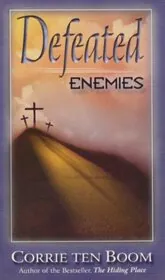
Defeated Enemies
by Corrie ten Boom
1962
A brief but bracing study of spiritual warfare, this booklet reminds readers that Christ has already defeated Satan and the powers of darkness, and shows, through Scripture and story, how to stand in that victory in daily life.
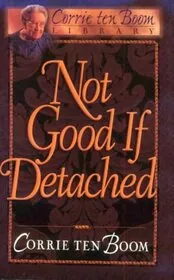
Not Good If Detached
by Corrie ten Boom
1966
Thirty devotional sketches drawn from people Corrie met around the world illustrate her conviction that, like a ticket marked “not good if detached,” a Christian only truly lives and bears fruit when continually attached to Christ.
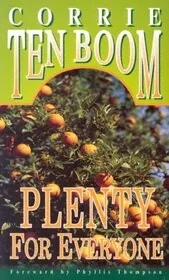
Plenty for Everyone
by Corrie ten Boom
1967
Gathering true stories from her postwar ministry on several continents, this book highlights how God’s grace, provision, and salvation are more than enough—and meant to be shared freely—with people from every background.
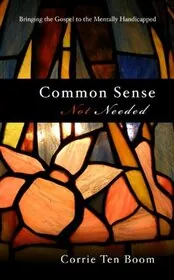
Common Sense Not Needed
by Corrie ten Boom
1969
Drawing on five years of Bible classes with adults who had intellectual disabilities, Corrie tells how God met her students through the “old, old story” told simply, and how their trust and joy taught her that in God’s work, human “common sense” is not what counts.
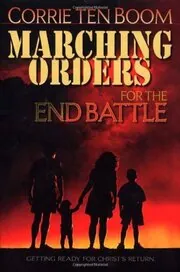
Marching Orders for the End Battle
by Corrie ten Boom
1969
In this urgent, hope‑filled book, Corrie explains how Scripture prepares believers for the spiritual conflict that will intensify before Christ’s return, outlining “marching orders” of prayer, discernment, holiness, and fearless witness in a shaken world.
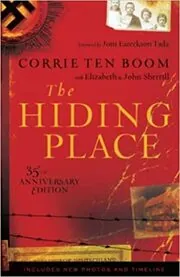
The Hiding Place
by Corrie ten Boom
1971
Corrie ten Boom's classic memoir tells how her Dutch family hid Jews in a secret room above their watch shop, endured arrest and Ravensbrück concentration camp, and discovered that God's presence and forgiveness can reach even the darkest places.
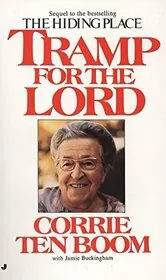
Tramp for the Lord
by Corrie ten Boom
1971
Picking up where *The Hiding Place* ends, this book follows Corrie through decades of travels to more than sixty countries, sharing unforgettable stories of guidance, forgiveness, and God’s surprising work in churches, prisons, and behind political barriers.

Corrie Ten Boom's Prison Letters
by Corrie ten Boom
1975
Written from Nazi prisons and camps in 1944, these letters to family and friends describe daily hardships, small miracles, and Corrie’s unwavering trust in Christ, offering a moving window into her heart during some of her darkest days.

Corrie's Christmas Memories
by Corrie ten Boom
1976
In this small seasonal book, Corrie recalls Christmases from her Dutch childhood and even from Ravensbrück, contrasting simple, Christ‑centered celebrations with the darkness of war and reminding readers that the joy of Jesus’ birth cannot be extinguished.
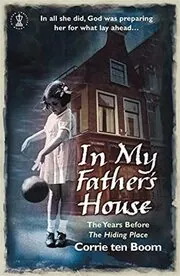
In My Father's House
by Corrie ten Boom
1976
This memoir of Corrie’s childhood and early adulthood in the Beje, the family’s watch shop home in Haarlem, reveals how a household shaped by Scripture, prayer, and hospitality prepared them for the costly rescue work they would later undertake.
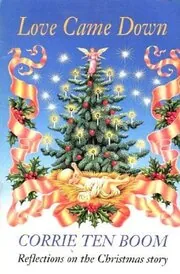
Love Come Down
by Corrie ten Boom
1976
A short collection of meditations on the coming of Jesus, this book invites readers to ponder God’s love “come down” in Christ and to let that love shape everyday attitudes of worship, gratitude, and mercy.

Each New Day
by Corrie ten Boom
1977
A classic year‑long devotional of 365 brief readings, Each New Day draws from Corrie’s own experiences to reinforce biblical truths about forgiveness, guidance, and victory in Christ, offering a daily nudge toward trust, gratitude, and obedience.
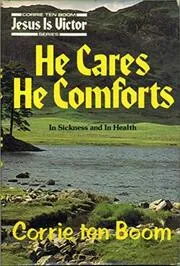
He Cares, He Comforts
by Corrie ten Boom
1977
Through true stories of friends facing sickness, pain, and loss, Corrie shows how God’s care meets people in hospital rooms and sickbeds, offering comfort, courage, and even joy to those who choose to trust Him in suffering.
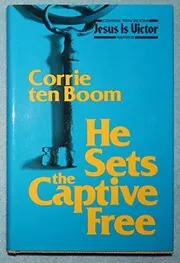
He Sets The Captive Free
by Corrie ten Boom
1977
Writing to readers she can no longer visit in person, Corrie shares true stories from her own imprisonments to show that Jesus can set every kind of captive free—those behind barbed wire as well as people bound by sin, fear, or circumstances.

Prayers and Promises for Every Day
by Corrie ten Boom
1977
This devotional pairs 365 short prayers with related Bible promises and excerpts from Corrie’s writings, helping readers bring specific needs to God and listen for His answers in Scripture throughout the year.

A Tramp Finds A Home
by Corrie ten Boom
1978
In this brief final book, Corrie looks back on her years as a “tramp for the Lord” and reflects on what it means to find a true home in Christ—whether on the road, in hiding, or in the quiet of old age.
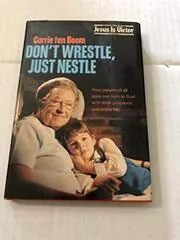
Don't Wrestle, Just Nestle
by Corrie ten Boom
1978
With gentle humor and vivid stories, Corrie urges anxious Christians to stop “wrestling” in their own strength and instead “nestle” into God’s promises, showing how trust and obedience bring courage, peace, and security in an unpredictable world.
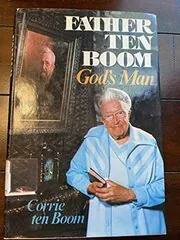
Father Ten Boom, God's Man
by Corrie ten Boom
1978
A warm portrait of Corrie’s father, Casper ten Boom, this biography traces his humble watchmaker’s life, deep faith, and quiet courage, showing how his simple obedience prepared the family to shelter Jews and risk everything during the war.
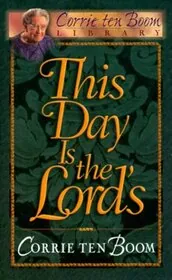
This Day Is the Lord's
by Corrie ten Boom
1979
A year‑long devotional with 366 brief readings, Scripture verses, and simple prayers, this book helps readers begin each day remembering that it belongs to the Lord and that His love and strength are present in every season.

He is More Than Able
by Corrie ten Boom
1980
In these short, faith‑building messages, Corrie focuses on God’s ability to do far more than we ask or imagine, encouraging readers to bring seemingly impossible situations to Him and to trust His power at work in weakness and daily need.

Clippings from My Notebook
by Corrie ten Boom
1982
Gathered from Corrie’s personal notebooks and earlier magazine pieces, this illustrated collection of brief reflections and favorite quotations reveals the simple, practical insights that sustained her, emphasizing obedience, gratitude, and resting in the center of God’s will.
Jesus is Victor
by Corrie ten Boom
1984
Centered on her lifelong motto “Jesus is Victor,” this book gathers testimonies and teachings that highlight Christ’s triumph over sin, fear, and the powers of darkness, offering solid encouragement to stand firm in Him whatever the circumstances.
Anywhere He Leads Me
by Corrie ten Boom
1997
Drawing on personal stories from her travels and earlier books, Corrie explores themes of Scripture, prayer, obedience, spiritual victory, and service, inviting readers to discover how walking with Jesus “anywhere He leads” transforms ordinary days.
The End Battle
by Corrie ten Boom
1997
A brief, urgent call to see history as a spiritual battlefield, this book urges Christians toward prayer, obedience, and courage as the world moves toward its final conflict and the promised return of Christ.
He Cares for You
by Corrie ten Boom
1998
Combining material from two earlier books, this devotional shares Corrie’s stories, Scriptures, and concentration‑camp memories to show how God’s care meets us in worry, grief, and anxiety, and how resting in Him reshapes the way we see hardship.

Reflections of God's Glory
by Corrie ten Boom
1999
These “lost writings” gather twenty‑four meditations in which Corrie reflects on the character of God, the cross, and daily obedience, using simple stories and images to show how His glory shines through weakness and ordinary life.
Oh, How He Loves You
by Corrie ten Boom
2000
In this honest, pastoral book Corrie ten Boom faces subjects like pain, death, shame, and abandonment, then points to the healing and freedom found in the love of Jesus, offering gentle, hope‑filled encouragement for people carrying deep and private wounds.
Messages of God's Abundance
by Corrie ten Boom
2002
Based on messages first shared over radio and in meetings across Europe, these brief talks weave Scripture with stories from prisons, mission fields, and everyday life, showing how God’s love, guidance, and promises provide “abundant” strength for witness and hope.
I Stand at the Door and Knock
by Corrie ten Boom
2008
A collection of forty short devotions drawn from Corrie ten Boom's wartime memories and later ministry, this book invites readers to open their hearts to Christ’s presence and move from fear and resentment into trust, freedom, and forgiveness.
The Hiding Place
by Corrie ten Boom
2022
Corrie ten Boom's classic memoir tells how her Dutch family hid Jews in a secret room above their watch shop, endured arrest and Ravensbrück concentration camp, and discovered that God's presence and forgiveness can reach even the darkest places.
Where to start with Corrie ten Boom
If you want her life story in depth: In My Father's House → The Hiding Place → Tramp for the Lord
If you prefer short daily devotions: Each New Day → This Day Is the Lord's → I Stand at the Door and Knock → Prayers and Promises for Every Day
If you're drawn to themes of forgiveness and victory: Amazing Love → A Prisoner and Yet → Defeated Enemies → Marching Orders for the End Battle
If you’re curious about her letters and holiday memories: Corrie Ten Boom's Prison Letters → Corrie's Christmas Memories → Love Come Down
Corrie ten Boom collections, short stories, and related book types
Non-Fiction Books
Religion Books
Collections
Standalone Corrie ten Boom books
Author bio
Corrie ten Boom was born on April 15, 1892, in Haarlem, the Netherlands, the youngest child in a bustling watchmaker’s household. Her given names—Cornelia Arnolda Johanna—came from generations of family, but everyone simply called her Corrie. For most readers she is known as the Dutch woman who survived Ravensbrück concentration camp and later told the story in The Hiding Place, yet her life before and after the war was just as deeply shaped by quiet faith and steady service.
Corrie grew up above her father Casper’s watch and clock shop in a narrow house on Barteljorisstraat, nicknamed the Beje. The family lived modestly but richly in relationships: parents, siblings, and three aunts all sharing meals, prayers, music, and the constant coming and going of guests. As a young woman Corrie first ran the household, then moved downstairs into the family business when illness laid her sister Betsie low. She discovered she loved the “business side” of the shop and in 1922 became the first woman officially licensed as a watchmaker in the Netherlands.
The Beje was never just a storefront. Guided by their Dutch Reformed faith, the ten Booms opened their home to foster children, students, and anyone who seemed to need a bed, a meal, or a listening ear. Corrie started a club for teenage girls that mixed Bible teaching with sewing, drama, and practical skills. For years she also organized special services for people with intellectual and physical disabilities, convinced that the love of Christ and the message of the Bible belonged to everyone, not only to the strong or educated.
When Nazi Germany occupied the Netherlands in 1940, the family’s convictions were tested. As anti‑Jewish measures tightened, the ten Booms quietly joined the Dutch underground. Their home became a way‑station for Jews and resistance workers, a place to sleep for a night or to disappear for months. An architect working with the resistance built a secret hiding place behind a false wall in Corrie’s bedroom, large enough to shelter several people during surprise raids. Corrie also helped obtain stolen ration cards so those in hiding could eat. Over time, the network linked to the Beje is believed to have helped hundreds of Jews escape arrest.
On February 28, 1944, the family was betrayed. The Gestapo raided the house, arrested more than thirty people, and eventually sent Corrie and Betsie through a series of prisons to Ravensbrück, a women’s concentration camp in Germany. Their elderly father died ten days after the arrest; Betsie would die in the camp that December. In Ravensbrück, Corrie and Betsie held secret Bible readings in their overcrowded barracks, shared smuggled Scripture, and tried to answer cruelty with forgiveness. Those months fixed certain phrases in Corrie’s mind—that no human pit is so deep that God’s love is not deeper still, and that “Jesus is Victor,” even when evil seems to be winning.
Twelve days after Betsie’s death, Corrie was released—later discovered to be due to a clerical error. Back in the Netherlands she opened a rehabilitation center in Bloemendaal, first for camp survivors and later also for Dutch people who had collaborated with the Nazis and were now despised. From there she began to travel, at first across war‑scarred Europe and eventually to more than sixty countries, telling her story and pointing people to Christ.
Her books grew out of that ongoing ministry. The Hiding Place (written with John and Elizabeth Sherrill) introduced millions to the Beje and Ravensbrück. In My Father’s House looked back at the family life that prepared her for those trials, while Tramp for the Lord followed her years of global itinerant work. Numerous smaller books and devotionals—many of which appear on this page—collected her stories, prayers, and simple Bible teaching for everyday readers.
Again and again, Corrie returned to a few central themes: God’s faithfulness in suffering, the call to forgive enemies, and the assurance that Christ has already conquered the powers of darkness. She told of meeting a former Ravensbrück guard after the war and finding that the forgiveness she preached had to be received from God moment by moment before it could pass through her to others. Her writing and speaking were plain, direct, and rich with small, concrete details: a lark singing over the roll‑call yard, a smuggled Bible, a crowded train.
In 1967 the State of Israel honored Corrie and her family as Righteous Among the Nations for their rescue work on behalf of Jews. She was also knighted by the Dutch monarchy, and the Beje in Haarlem became a museum dedicated to the family’s story. In her mid‑eighties Corrie moved to Placentia, California, to live with friends. After a series of strokes in 1978 left her unable to speak, she spent her final years quietly in their home. She died on April 15, 1983—her ninety‑first birthday—leaving behind not only a remarkable wartime testimony but a shelf of books that still draw readers toward trust in Christ.




Edited by
Software engineer whose passion for tracking book recommendations from podcasts inspired the creation of MRB.
Lead investor at 3one4 Capital whose startup expertise and love for books helped shape MRB and its growth.
Comments
Did we miss something? Have feedback?
Help us improve this page by sharing your thoughts