
Conway Trilogy Books in Order
Part ofLiam McIlvanney Books in OrderSee the Conway Trilogy by Liam McIlvanney in order, with summaries of Gerry Conway's Glasgow-Belfast thrillers, plus background and where to begin.
Last updated:
As an Amazon Associate, we earn from qualifying purchases (at no extra cost to you).
Conway Trilogy books in publication order
2 books
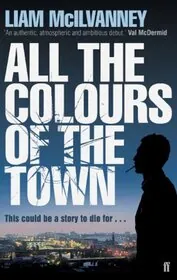
All the Colours of the Town
by Liam McIlvanney
2009
Glasgow journalist Gerry Conway picks up a lead suggesting star Justice Minister Peter Lyons once had links to loyalist paramilitaries. As Conway follows the trail from Scotland to Belfast, a routine scoop turns into an obsession that exposes sectarian hatred and high-level secrets.
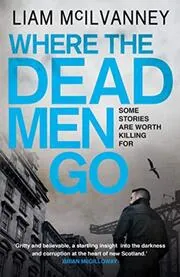
Where the Dead Men Go
by Liam McIlvanney
2013
After three years away, reporter Gerry Conway returns to the struggling Glasgow Tribune and is sent to cover a gangland shooting when his protégé disappears. Finding the younger man's body, he follows the story into a dangerous web of crime, politics and media spin.
Conway Trilogy books in chronological order
Series background & context
The Conway Trilogy follows Glasgow journalist Gerry Conway through a city where politics, sectarian loyalties and organised crime are tangled together. Planned as a trilogy, the series currently runs through All the Colours of the Town and Where the Dead Men Go, each mixing newsroom drama with a broader look at how Scotland is changing. The tone is hardboiled but reflective, with plenty of attention paid to the pressures of work and family as well as to the crimes themselves.
Conway is a mid-career reporter at the Glasgow Tribune, a broadsheet that likes to think of itself as serious even as budgets shrink and circulation falls. He is sharp, often cynical and not above cutting corners, but he also has an old-fashioned sense that journalism should hold people in power to account. Across the books he juggles deadlines, fraught relationships with colleagues and the demands of being a divorced father who still wants to be present in his sons' lives.
All the Colours of the Town opens with a phone call offering Conway damaging information about Peter Lyons, the Scottish Justice Minister and a likely future First Minister. At first Conway suspects the story is a waste of time, but an old photograph suggests Lyons once marched with a loyalist paramilitary group. Chasing the lead takes the reporter from Glasgow streets he knows well to modern Belfast, where old grievances and allegiances still simmer. As he digs deeper he finds himself caught between editors hungry for controversy, politicians keen to spin the story and people who will do almost anything to keep past violence buried.
The novel uses Conway's trip to Northern Ireland to show how sectarianism echoes between two cities, from football chants and newspaper headlines to the scars left by real bombings and shootings.
In Where the Dead Men Go, Conway is back at the Tribune after three years away, only to find the paper hollowed out by cost-cutting and his own status reduced. He now plays second fiddle to Martin Moir, a younger crime reporter he once mentored. When Moir vanishes just as a major gangland shooting hits the city, Conway is sent to cover the story and soon discovers his protégé's body in a flooded quarry. The investigation pulls him into Glasgow's criminal underworld, up to boardrooms and council chambers and back into the collapsing newsroom, all against the backdrop of preparations for the Commonwealth Games and a looming independence referendum.
Across the Conway books McIlvanney is as interested in institutions as he is in individual villains. The series looks at how newspapers lose their nerve, how politicians manage stories and how ordinary lives are shaped by decisions made far away from street level. Each novel works on its own, but reading All the Colours of the Town before Where the Dead Men Go lets you watch Conway age, adapt and test how much integrity he is willing to sacrifice for a story.






Edited by
Software engineer whose passion for tracking book recommendations from podcasts inspired the creation of MRB.
Lead investor at 3one4 Capital whose startup expertise and love for books helped shape MRB and its growth.
Comments
Did we miss something? Have feedback?
Help us improve this page by sharing your thoughts