
Louis Joseph Vance Books in Order
Explore Louis Joseph Vance books in order, with quick summaries, Lone Wolf series notes, and easy starting points for his mysteries and adventures.
Last updated:
As an Amazon Associate, we earn from qualifying purchases (at no extra cost to you).
Louis Joseph Vance books in publication order
37 books
Terence O'Rourke
by Louis Joseph Vance
1904
Terence O'Rourke is an Irish gentleman adventurer who keeps stumbling into peril in one globe-trotting episode after another. The book delivers travel, duels, escapes, and the breezy confidence of old-school adventure fiction.
The Private War
by Louis Joseph Vance
1906
Told as Gordon Traill's own account, this early novel turns private crisis into open conflict. Vance builds the tension from pride, romance, and the kind of personal war that can wreck a life without a battlefield.
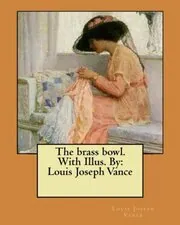
The Brass Bowl
by Louis Joseph Vance
1907
Bored New Yorker Daniel Maitland spots a mysterious woman, then finds evidence she has entered his rooms. His curiosity leads to a jewel thief who looks exactly like him, and a fast, witty tangle of mistaken identity.
The Black Bag
by Louis Joseph Vance
1908
After disaster leaves Philip Kirkwood stranded and broke in London, a stranger offers help at a price. The bargain leads to a black bag, a mysterious family, and a steadily tightening web of danger.
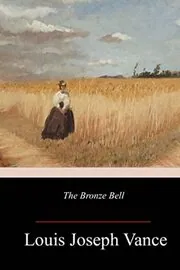
The Bronze Bell
by Louis Joseph Vance
1909
David Amber arrives in a quiet village expecting a simple visit and instead stumbles into a puzzle involving a stolen box, cryptic warnings, and Sophia Farrell. Romance and mystery build together as the danger widens.
The Pool of Flame
by Louis Joseph Vance
1909
This Terence O'Rourke adventure throws its hero back into a world of pursuit, conspiracy, and romantic complication. Vance keeps the emphasis on nerve, movement, and the fun of watching a polished adventurer improvise.
No Man's Land a Romance
by Louis Joseph Vance
1910
Vance takes an ordinary modern setting and loads it with romantic complications, danger, and sudden reversals. The title fits a story where loyalty, desire, and security no longer line up in any simple way.

The Fortune Hunter
by Louis Joseph Vance
1910
Nathaniel Duncan is down on his luck when a friend suggests the most practical solution imaginable, marry for money. Vance and Winchell Smith turn that setup into a brisk social comedy about ambition, love, and self-respect.

Cynthia-of-the-Minute
by Louis Joseph Vance
1911
Cynthia moves fast, thinks fast, and leaves everyone around her scrambling to keep up. Vance blends romance, melodrama, and quick-turning adventure into a story that feels ready-made for the silent screen.
The Bandbox
by Louis Joseph Vance
1912
Homesick playwright Benjamin Staff picks up the wrong hat-box in London and blunders into a comic mystery. What starts as a small mix-up quickly turns into romance, pursuit, and a surprisingly knotty adventure.

The Destroying Angel
by Louis Joseph Vance
1912
When Hugh Whitaker is told he has only months to live, despair reshapes every choice he makes. Vance turns that grim premise into a melodrama of love, risk, and the strange turns that can upend a fate that seems fixed.
Joan Thursday
by Louis Joseph Vance
1913
Joan Thursby is a tired department-store worker trapped by poverty, harassment, and a brutal home life in New York. Her refusal to stay put drives this sharp, restless novel about ambition, survival, and reinvention.
The Day Of Days
by Louis Joseph Vance
1913
A weary bookkeeper who calls himself Sybarite decides he has had enough of his drab life. The result is a whimsical New York adventure, part romantic comedy and part dream of starting over.
The Lone Wolf
by Louis Joseph Vance
1914
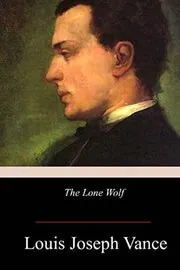
Michael Lanyard, the brilliant jewel thief called the Lone Wolf, returns to the Paris world that shaped him and tries to outrun his past. It is an origin story built on crime, conscience, and dangerous reinvention.
The Trey O' Hearts
by Louis Joseph Vance
1914
The trey of hearts becomes the calling card in Seneca Trine's revenge campaign against Alan Law. Built like a motion-picture serial, the novel thrives on secret plots, cliffhanger escapes, and family-feud melodrama.
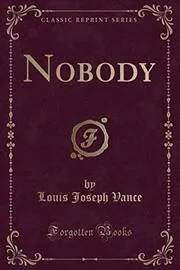
Nobody
by Louis Joseph Vance
1915
Desperate shop girl Sarah Manvers takes shelter in a wealthy home and is tempted into trying on a life that is not hers. One reckless night leads to theft, deception, and a sharp look at class and survival.
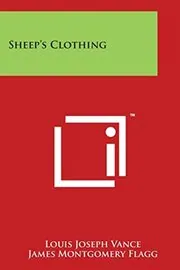
Sheep's Clothing
by Louis Joseph Vance
1915
A theft of jewels at sea opens into a larger plot of deception and smuggling. Vance plays cleverly with disguise and false appearances, pairing mystery with romance and a steady undercurrent of danger.
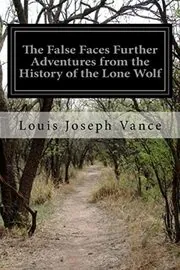
The False Faces
by Louis Joseph Vance
1918
In wartime Europe, Michael Lanyard is dragged into a deadly spy hunt after personal loss and a desperate escape from the front. Disguises, betrayal, and revenge give this Lone Wolf adventure a darker edge.

The Dark Mirror
by Louis Joseph Vance
1920
A shadowy atmosphere, troubled identities, and uneasy relationships drive this later Vance novel. True to the title, it is darker in mood, more concerned with hidden selves and emotional strain than straight adventure.
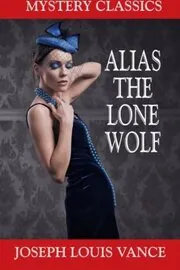
Alias the Lone Wolf
by Louis Joseph Vance
1921
Cut loose by British intelligence, Michael Lanyard travels through postwar France hoping for peace and anonymity. Instead he finds violence, fresh intrigue, and a dangerous attachment that threatens his fragile new life.
Red Masquerade
by Louis Joseph Vance
1921
A mysterious young woman with ties to Michael Lanyard's past becomes the center of a dangerous struggle involving art, money, and old enemies. The Lone Wolf is pulled into a stylish tangle of family shock and intrigue.

Linda Lee, Incorporated
by Louis Joseph Vance
1922
Lucinda Druce moves through marriage trouble, old feelings, and the fast-changing social world of 1920s Los Angeles. Part society drama and part Hollywood novel, it follows a woman trying to manage both image and desire.
Baroque
by Louis Joseph Vance
1923
A New York lawyer is drawn into the strange world of Baroque Bros., an antiques shop where family secrets and criminal motives sit side by side. Vance builds the story as a twisty urban mystery with romance and revenge nearby.

Mrs. Paramor
by Louis Joseph Vance
1923
Mrs. Paramor turns a society revenge plot into a cool, dangerous game of flirtation. When she fixes on a younger married man, Vance follows the emotional damage with a sharper edge than in many of his adventures.
The Lone Wolf Returns
by Louis Joseph Vance
1923
Michael Lanyard wants a future with Eve de Montalais, but the reputation of the Lone Wolf refuses to stay buried. Old enemies, suspicious authorities, and his own conscience make respectability feel dangerously fragile.

The Road to En-Dor
by Louis Joseph Vance
1925
A personal quest, emotional entanglements, and hidden motives shape this later Vance novel. It plays less like a pure detective story and more like a suspenseful journey toward truth, disillusion, and hard choices.
The Dead Ride Hard
by Louis Joseph Vance
1926
Set in Hungary, this adventure-romance pits an American outsider against courtly pressure and a deeply unwanted match. Vance gives the story a fairy-tale sheen, while keeping the stakes urgent and personal.

White Fire
by Louis Joseph Vance
1926
One of Vance's later stand-alone novels, White Fire is built around intense feeling, danger, and sharply shifting loyalties. The title fits the mood, bright on the surface, but always close to something destructive.

They Call It Love
by Louis Joseph Vance
1927
This late novel leans more toward emotional drama than caper plotting, asking what people really mean when they talk about love. Vance gives the romance weight by tying it to disappointment, compromise, and ordinary need.
Speaking of Women
by Louis Joseph Vance
1930
Vance uses flirtation, sharp talk, and social maneuvering to explore how men and women misread one another. Beneath the polished surface, it is a drama about desire, vanity, and the stories people tell about love.
The Woman in the Shadow
by Louis Joseph Vance
1930
In a gloomy chateau, young Gisella feels shut away from sunlight, freedom, and her earlier life. The novel opens in atmosphere and restraint, then deepens into a mystery shaped by isolation and hidden motives.
The Lone Wolf's Son
by Louis Joseph Vance
1931
On a voyage to New York, Michael Lanyard meets a gifted young thief who seems uncannily familiar. Stolen emeralds and shipboard cheating expose a criminal ring, and the case becomes painfully personal.
The Trembling Flame
by Louis Joseph Vance
1931
A sense of danger runs through this later melodrama, where attraction and fear seem to feed one another. Vance builds the story around unstable loyalties and emotions that can flare up fast and burn just as hard.
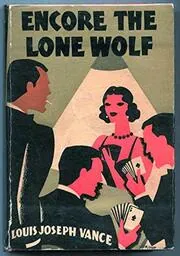
Encore the Lone Wolfe
by Louis Joseph Vance
1933
Respectable at last, Michael Lanyard and his son are pushed back into action when a violent gang threatens the peace they have built. This late-series outing mixes family stakes with the old Lone Wolf nerve.
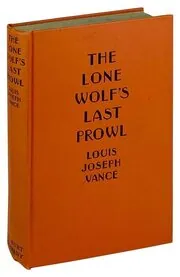
The Lone Wolf's Last Prowl
by Louis Joseph Vance
1934
One last case draws Michael Lanyard back into the shadow world he spent years trying to escape. The final Lone Wolf novel promises danger, clever maneuvering, and a farewell encounter with his old life.
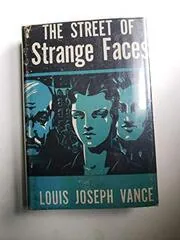
The Street of Strange Faces
by Louis Joseph Vance
1934
Set in a shabby New York boarding house, this late novel is more atmospheric than action-driven. Vance lingers over the odd people gathered there, building tension out of secrets, loneliness, and the faces they show one another.
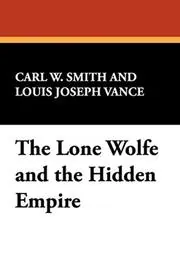
The Lone Wolf and the Hidden Empire
by Louis Joseph Vance
1947
This later continuation sends the Lone Wolf against a fresh conspiracy tied to a secretive hidden empire. It keeps the character's familiar mix of suspense, disguise, and adventurous criminal intrigue alive.
Where to start with Louis Joseph Vance
If you want the signature gentleman thief series: The Lone Wolf → The False Faces → Alias the Lone Wolf → The Lone Wolf Returns
If you want classic adventure mysteries: The Brass Bowl → The Black Bag → The Bronze Bell
If you like ambitious, character-driven drama: Joan Thursday → Linda Lee, Incorporated → Mrs. Paramor
If you want lighter romantic adventure: The Bandbox → The Day Of Days → The Fortune Hunter
Louis Joseph Vance sub-series and character series
Standalone Louis Joseph Vance books
Author bio
Louis Joseph Vance was born in Washington, D.C., on September 19, 1879, and was educated at Brooklyn Polytechnic Institute. He was the only child of Wilson J. Vance, a Medal of Honor recipient, and Lillian Beall. Before he became known for mystery and adventure fiction, he studied art, which may help explain how visual and sharply staged so much of his writing feels.
He did not arrive as a solemn literary figure. He came in as a working storyteller.
After 1901, Vance wrote short stories and verse, then moved steadily into novels. Early on, he showed a knack for throwing ordinary people into very unordinary trouble. His books liked speed, reversals, disguises, risky romance, and heroes who had to think fast. That mix helped him find readers quickly in the years before and after 1910.
One of his early successes was The Brass Bowl, a lively mystery built around mistaken identity, pursuit, and a mysterious woman. He followed it with books like The Black Bag and The Bronze Bell, which kept the same restless energy while shifting the settings and stakes. Readers who enjoy early popular fiction still tend to like Vance for exactly that reason, he knew how to get a story moving and keep it moving.
Then came The Lone Wolf in 1914, the book that fixed his place in popular fiction. Its hero, Michael Lanyard, was a jewel thief with brains, style, and a conscience that never stayed quiet for long. Across eight Lone Wolf novels, Vance turned Lanyard from outlaw to detective-like adventurer, always pulled between reinvention and relapse. The character proved durable enough to live far beyond the books, appearing in two dozen films and later on radio and television.
Vance also had a strong connection to the early movie business. He moved to Los Angeles to work with Universal on screen versions of his material, including The Trey O' Hearts and the Terence O'Rourke stories. In 1915 he even founded a production company, Fiction Pictures, Inc. That screen experience fit him well. His novels often feel built around entrances, reveals, chases, and cliff-edge turns.
He could write adventure, but he was not boxed in by it.
Books like Joan Thursday show him writing about working women, poverty, and ambition in New York. Linda Lee, Incorporated moves into 1920s Los Angeles and the motion picture world, while Mrs. Paramor leans toward society drama and emotional gamesmanship. Even when the setting changed, certain Vance habits stayed put, hidden identities, quick reversals, romantic tension, and people trying to outrun what they have already done.
His personal life was quieter on the page than in the public record. He married Anne Elizabeth Hodges in 1898, and they had a son, Wilson Beall Vance, in 1900. Louis Joseph Vance died in New York City on December 16, 1933, after a fire in his apartment. He was only fifty-four.
What lasts is the pace. If you pick up Vance now, you can still feel how much he enjoyed a clever setup, a narrow escape, and a hero with one foot in danger and the other in respectability.






Edited by
Software engineer whose passion for tracking book recommendations from podcasts inspired the creation of MRB.
Lead investor at 3one4 Capital whose startup expertise and love for books helped shape MRB and its growth.
Comments
Did we miss something? Have feedback?
Help us improve this page by sharing your thoughts