
Chuck Klosterman Books in Order
See Chuck Klosterman books in order, with summaries, reading guidance, essay collections, fiction, and a quick path through his pop-culture work.
Last updated: 1 new book added
As an Amazon Associate, we earn from qualifying purchases (at no extra cost to you).
Chuck Klosterman books in publication order
78 books
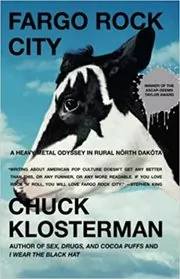
Fargo Rock City
by Chuck Klosterman
2001
Klosterman remembers growing up as a heavy metal fan in rural North Dakota and makes a case for the music’s messy importance. Hair metal, farm life, and teenage devotion all get equal attention.
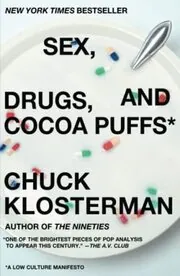
Sex, Drugs, and Cocoa Puffs
by Chuck Klosterman
2003
Klosterman turns low culture into serious play, writing about reality TV, John Cusack, cereal, sports rivalries, and pop music. The collection is one of his clearest starting points for new readers.
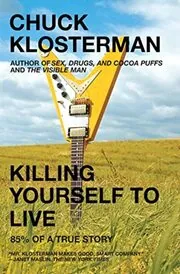
Killing Yourself to Live
by Chuck Klosterman
2005
Klosterman drives across America visiting places where rock musicians died, but the trip keeps turning inward. Death, romance, memory, and the mythology of music all share the same rental car.
Chuck Klosterman IV
by Chuck Klosterman
2006
This collection mixes celebrity profiles, cultural arguments, footnotes, hypotheticals, and a piece of fiction. It is Klosterman in magazine mode, jumping from rock stars and athletes to odd moral puzzles.
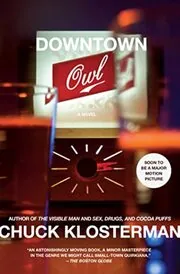
Downtown Owl
by Chuck Klosterman
2008
In a fictional North Dakota town in the early 1980s, three residents move through football, loneliness, gossip, and small-town routine. The novel is funny, bleak, and quietly tense as winter closes in.
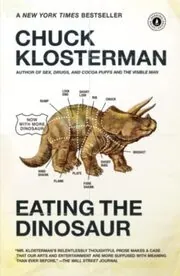
Eating the Dinosaur
by Chuck Klosterman
2009
This collection explores interviews, football, music, time travel, fame, and the gap between expectation and reality. Klosterman keeps asking why people want culture to mean one thing when it usually means several.

4,8,15,16,23,42
by Chuck Klosterman
2010
Klosterman writes about Lost and the culture of obsessive interpretation around serialized television. The essay is about mystery, fandom, and the way viewers build meaning from clues.

33
by Chuck Klosterman
2010
Klosterman uses Celtics fans and Lakers fans to explore rivalry as a way people define themselves. Basketball becomes a stand-in for politics, identity, opposition, and the pleasure of choosing sides.

ABBA 1, World 0
by Chuck Klosterman
2010
Klosterman uses ABBA as a way to think about pop perfection, taste, and cultural staying power. The essay treats catchy music as something stranger and more durable than simple guilty pleasure.

Advancement
by Chuck Klosterman
2010
Klosterman builds a transformation hypothetical around self-improvement and change. The essay asks whether becoming better is still admirable if the process alters what made someone themselves.

All I Know Is What I Read in the Papers
by Chuck Klosterman
2010
Klosterman takes on the media and the way newspapers shape what people think they know. The essay asks how information becomes authority, habit, and public reality.

Appetite for Replication
by Chuck Klosterman
2010
A Guns N’ Roses tribute band becomes Klosterman’s way into authenticity, imitation, and rock nostalgia. The essay asks why a copy can sometimes satisfy the same need as the original.

Band on the Couch
by Chuck Klosterman
2010
Klosterman observes a rock band in interview mode and finds the tension between performance and boredom. The essay is about how musicians act when the spectacle is supposed to look casual.

Being Zack Morris
by Chuck Klosterman
2010
Klosterman revisits Saved by the Bell and its smooth, manipulative hero, Zack Morris. The essay turns a teen sitcom into a study of charm, moral shortcuts, and television logic.

Bending Spoons with Britney Spears
by Chuck Klosterman
2010
Klosterman profiles Britney Spears as a pop star built from image, attention, and projection. The essay looks at celebrity machinery and the difficulty of seeing a person behind the spectacle.

Billy Sim
by Chuck Klosterman
2010
Klosterman uses The Sims to think about control, artificial lives, and the stories people create when a game gives them ordinary choices. Domestic routine suddenly looks very strange.

Can I Tell You Something Weird?
by Chuck Klosterman
2010
Klosterman uses basketball and one of its more unusual personalities to think about talent, likability, and perception. The essay turns a sports profile into a study of what fans notice.

Certain Rock Bands You Probably Like
by Chuck Klosterman
2010
Klosterman thinks through underrated and overrated artists, and why those labels make people so defensive. The essay is really about taste, consensus, and the social risk of liking things.

Chuck Klosterman on Film and Television
by Chuck Klosterman
2010
This themed ebook gathers Klosterman essays on movies, sitcoms, reality TV, Star Wars, Lost, and other screen culture. It is a compact tour of his television and film obsessions.

Chuck Klosterman on Living and Society
by Chuck Klosterman
2010
This ebook collection gathers Klosterman essays about everyday behavior, social rules, relationships, food, morality, and strange thought experiments. It is a quick way into his writing on how people live.

Chuck Klosterman on Media and Culture
by Chuck Klosterman
2010
This collection gathers essays on newspapers, advertising, interviews, serial killers, cereal, porn, and other media-shaped subjects. It is Klosterman’s cultural criticism in a compact, themed package.

Chuck Klosterman on Pop
by Chuck Klosterman
2010
This themed collection brings together Klosterman’s essays on pop music, celebrity, fandom, and cultural taste. ABBA, Britney Spears, Billy Joel, country music, and other subjects become arguments about identity.

Chuck Klosterman on Rock
by Chuck Klosterman
2010
This ebook gathers Klosterman’s rock-writing across several books. Heavy metal, Nirvana, Led Zeppelin, tribute bands, underground scenes, and rock criticism all show up as both music and cultural evidence.

Chuck Klosterman on Sports
by Chuck Klosterman
2010
This ebook collects Klosterman’s sports essays, covering football, basketball, baseball, soccer, fandom, and the Super Bowl. It is a good sample of how he turns games into cultural arguments.

Cultural Betrayal
by Chuck Klosterman
2010
This essay asks what it means to copy, borrow, or betray a cultural identity. Klosterman turns the idea of the life plagiarist into a funny, uneasy moral puzzle.

Don't Look Back in Anger
by Chuck Klosterman
2010
Klosterman revisits The Wonder Years and the uses of nostalgia on television. The essay asks why remembered adolescence can feel more coherent on screen than it ever felt in life.

Dude Rocks Like a Lady
by Chuck Klosterman
2010
This rock essay looks at gender performance, persona, and the way musicians sell identity as much as sound. Klosterman treats style as evidence, not decoration.

FAIL
by Chuck Klosterman
2010
Klosterman writes about Ted Kaczynski and the troubling distance between ideas, isolation, and violence. The essay is unsettling because it refuses to make failure feel simple.

Fargo Rock City, for Real
by Chuck Klosterman
2010
This essay turns toward underground rock and the social codes around credibility. Klosterman asks what happens when music scenes define themselves by who is allowed to care.

Football
by Chuck Klosterman
2010
Klosterman writes about football as spectacle, strategy, violence, and shared ritual. The essay is less about a single game than about why the sport holds such stubborn cultural power.

George Will vs. Nick Hornby
by Chuck Klosterman
2010
Klosterman compares baseball and soccer through the kinds of writers and fans drawn to each. The essay is playful, but it asks how sports teach people to value time, failure, and beauty.

Ha ha,
by Chuck Klosterman
2010
This essay looks at sitcoms and the mechanics of laughter. Klosterman is interested in how jokes, rhythm, audience expectation, and canned response shape what television teaches us is funny.

How to Disappear Completely and Never Be Found
by Chuck Klosterman
2010
Using the Left Behind series as his entry point, Klosterman considers faith, pop fiction, apocalypse, and mass readership. It is a sharp look at what popular religious storytelling promises readers.

HYPERtheticals
by Chuck Klosterman
2010
This compact book gathers Klosterman’s odd, funny hypothetical questions. It is built for debate, forcing readers to choose between impossible options and then explain what those choices reveal.

I Wanna Get Free
by Chuck Klosterman
2010
Built around one of Klosterman’s hypotheticals, this essay tests how people think about freedom, belief, and moral certainty. The setup is strange, but the argument lands close to everyday life.

I, Rock Chump
by Chuck Klosterman
2010
Klosterman turns the joke back on himself, writing about rock criticism, fandom, and the awkward business of judging music. It is funny because the critic knows he is part of the problem.

It Will Shock You How Much It Never Happened
by Chuck Klosterman
2010
This essay looks at advertising and the slippery space between persuasion and memory. Klosterman is interested in what campaigns make us think happened, even when the effect is almost invisible.

Local Clairvoyants Split Over Future
by Chuck Klosterman
2010
Klosterman writes about psychics, prediction, and the appeal of knowing what comes next. The essay is funny because certainty sounds absurd, but wanting certainty feels completely normal.

Monogamy
by Chuck Klosterman
2010
Klosterman considers monogamy as both a private choice and a cultural expectation. The essay uses his usual hypothetical style to question what loyalty means when desire and logic disagree.

Nemesis
by Chuck Klosterman
2010
This essay uses a dark hypothetical about danger and opposition to explore how people define enemies. Klosterman is interested in fear, rivalry, self-image, and the stories we build around threat.

No More Knives
by Chuck Klosterman
2010
This pop-culture essay circles the gap between public image and artistic meaning. Klosterman uses a specific entertainment-world subject to ask why audiences keep turning biography into interpretation.

Not Guilty
by Chuck Klosterman
2010
This hypothetical essay asks how blame changes when behavior is explained through the brain. Klosterman uses an extreme setup to probe responsibility, punishment, and the limits of moral certainty.

Oh, the Guilt
by Chuck Klosterman
2010
Klosterman writes about Nirvana and the burden of success, especially when an artist’s audience becomes too large. The essay considers guilt, authenticity, and the trap of being understood.

Porn
by Chuck Klosterman
2010
Klosterman examines porn as media, fantasy, and cultural shorthand. The essay looks past easy scandal to ask how private desire becomes a public industry and a shared joke.

Robots
by Chuck Klosterman
2010
This essay imagines robots as a way to test human assumptions about power, fear, and survival. Klosterman turns a sci-fi premise into a question about what people think makes them special.

Something Instead of Nothing
by Chuck Klosterman
2010
This essay focuses on interviews and the strange transaction between questioner, subject, and audience. Klosterman looks at truth, performance, and why answers often matter less than their shape.

Sulking with Lisa Loeb on the Ice Planet Hoth
by Chuck Klosterman
2010
Star Wars becomes the starting point for Klosterman’s thoughts on loyalty, fantasy, and cultural memory. The essay treats a blockbuster universe as something personal, generational, and slightly ridiculous.

Super Bowl XL
by Chuck Klosterman
2010
Originally written around Super Bowl XL, this sports essay captures the early-blog era of watching, reacting, and overthinking live spectacle. Klosterman treats the game as both football and media event.

T Is for True
by Chuck Klosterman
2010
Klosterman takes on truth and authenticity in pop culture, asking why some performances feel honest and others feel fake. The essay turns a slippery idea into a sharp little argument.

Taking The Streets to the Music
by Chuck Klosterman
2010
Klosterman writes about The Streets and the way pop music can make everyday narration feel stylized. The essay considers voice, class, persona, and the odd power of sounding ordinary.

That '70s Cruise
by Chuck Klosterman
2010
Klosterman boards a nostalgia-driven rock setting and studies what happens when the past becomes a package. The essay is about music, aging, memory, and the comfort of reenactment.

The Amazing McNugget Diet
by Chuck Klosterman
2010
Klosterman turns a Chicken McNuggets experiment into a comic test of appetite, discipline, and absurd self-documentation. The essay is short, weird, and very aware of its own bad idea.

The American Radiohead
by Chuck Klosterman
2010
This essay focuses on Jeff Tweedy and the pressure placed on certain bands to mean more than songs. Klosterman looks at taste, expectation, and the strange weight of being admired.

The Awe-Inspiring Beauty of Tom Cruise's Shattered, Troll-like Face
by Chuck Klosterman
2010
Klosterman uses modern film to talk about reality, celebrity, and the expectations viewers bring into a theater. The essay is odd, funny, and interested in why movies feel true.

The Billy Joel Essays
by Chuck Klosterman
2010
Collected from earlier Klosterman books, these essays take Billy Joel seriously as a pop figure. They consider popularity, critical scorn, sincerity, and the weird burden of making songs everyone knows.

The Jack Factor
by Chuck Klosterman
2010
Drawn from Fargo Rock City, this piece digs into Klosterman’s favorite heavy metal albums. It is part list, part memory, and part defense of music that meant everything to teenage fans.

The Karl Marx of the Hardwood
by Chuck Klosterman
2010
This basketball essay uses the language of systems, labor, and value to think about the sport. Klosterman turns the court into a place where ideology and entertainment bump shoulders.

The Lady or the Tiger
by Chuck Klosterman
2010
Breakfast cereal becomes Klosterman’s unlikely route into branding, childhood, habit, and coolness. The essay treats a grocery-store staple as a tiny map of American cultural desire.

The Led Zeppelin Essays
by Chuck Klosterman
2010
These essays focus on Led Zeppelin and the long afterlife of classic rock. Klosterman writes about sound, mythology, fandom, and why some bands keep expanding inside memory.

The Passion of the Garth
by Chuck Klosterman
2010
This essay considers Garth Brooks as a pop-country phenomenon and a performer with an unusually complicated image. Klosterman looks at fame, sincerity, persona, and what listeners want from scale.

This Is Emo
by Chuck Klosterman
2010
Klosterman writes about romance, pop culture, and the impossible expectations shaped by movies and music. John Cusack and Woody Allen become part of a bigger argument about learned emotion.

This Is Zodiac Speaking
by Chuck Klosterman
2010
Klosterman writes about serial killers as cultural figures, not just criminals. The essay looks at fear, fame, media attention, and the uneasy way violence can become a shared reference point.

Three Stories Involving Pants
by Chuck Klosterman
2010
Dress codes give Klosterman a way into conformity, identity, and social pressure. The essay uses clothing as a plain, funny symbol for the rules people follow without fully admitting it.

Toby over Moby
by Chuck Klosterman
2010
Klosterman uses popular country music to think about taste, class, and cultural comfort. The essay is less about snobbery than about why different audiences want different kinds of truth.

Tomorrow Rarely Knows
by Chuck Klosterman
2010
This essay uses time travel to test the limits of imagination and cause-and-effect thinking. Klosterman is less interested in gadgets than in what people expect the future to fix.

Viva Morrissey!
by Chuck Klosterman
2010
This essay looks at Morrissey fans and the special intensity of their devotion. Klosterman is interested in fandom as identity, especially when love for an artist becomes a social language.

What Happens When People Stop Being Polite
by Chuck Klosterman
2010
The Real World gives Klosterman a way to think about reality television and performed honesty. The essay asks what happens when normal behavior gets shaped by cameras and editing.

What We Talk About When We Talk About Ralph Sampson
by Chuck Klosterman
2010
Klosterman writes about Ralph Sampson and the strange afterlife of athletic promise. The essay looks at basketball, memory, expectations, and how fans decide what a career should have been.
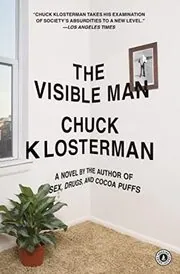
The Visible Man
by Chuck Klosterman
2011
Therapist Victoria Vick is contacted by a man who claims he can make himself invisible. As his confessions grow stranger, curiosity turns into fear and the boundaries of privacy, sanity, and control begin to blur.
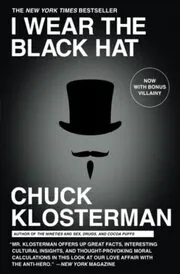
I Wear the Black Hat
by Chuck Klosterman
2013
Klosterman studies villains, real and fictional, and asks why some people become cultural shorthand for evil. The essays move through music, sports, politics, and movies with a sharp eye for moral performance.
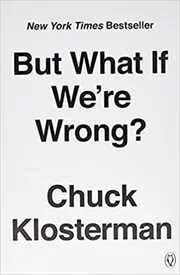
But What If We're Wrong? Thinking About the Present As If It Were the Past
by Chuck Klosterman
2016
Klosterman asks what future people will think we misunderstood about art, science, sports, and truth. It is a book of thought experiments about certainty, history, and how wrong the present can look later.
Chuck Klosterman X
by Chuck Klosterman
2017
This essay collection gathers profiles, arguments, and cultural pieces from a decade of Klosterman’s work. Expect sports, music, celebrity, media, and the kind of side-door questions that turn trivia into philosophy.

Raised in Captivity
by Chuck Klosterman
2019
These short fictional pieces work like sideways nonfiction, full of absurd setups that reveal familiar anxieties. Algorithms, relationships, work, belief, and modern dread all appear in miniature, often with a grim joke attached.

SUPERtheticals
by Chuck Klosterman
2020
This follow-up to HYPERtheticals offers more strange, debate-ready questions, this time with a superhero flavor. The fun comes from choosing an answer, then realizing what that choice says about you.
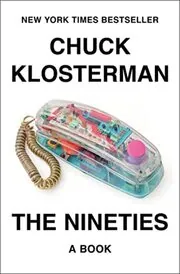
The Nineties
by Chuck Klosterman
2022
Klosterman revisits the 1990s as a strange bridge between analog life and the internet age. Music, politics, movies, sports, and Gen X habits become clues to a decade that still feels half-remembered.
Football
by Chuck Klosterman
2026
Chuck Klosterman examines how American football shapes the country’s culture, drawing on his own history with the sport. Television, gambling, coaching, greatness and acceptable physical risk become ways to explore football’s influence and possible future.
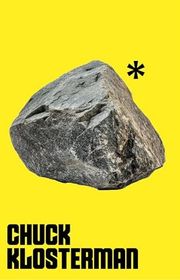
Rock*
by Chuck Klosterman
2026
Klosterman imagines a musical world where the Velvet Underground became a massive mainstream success and the Beatles remained a cult interest. Keeping the songs unchanged, he explores how different audiences and expectations would reshape rock history.
But What If We're Wrong?
by Chuck Klosterman
Chuck Klosterman considers how future generations might judge beliefs that seem certain today. These interconnected essays question assumptions about science, culture and entertainment, examining the present through the imagined perspective of a distant future.
Recommended by
2 people Marc Andreessen recommended this book
Marc Andreessen
"Wide-ranging meditation on how to think about the reality that we're probably wrong about most things we believe. Hard to read and not emerge humbled." - Marc Andreessen
Marc Andreessen's recommendation of this book  Bryan Johnson recommended this book
Bryan Johnson
Bryan Johnson recommended this book on Twitter.
Bryan Johnson's recommendation of this book
Where to start with Chuck Klosterman
For the classic essay-collection entry point: Sex, Drugs, and Cocoa Puffs → Eating the Dinosaur → Chuck Klosterman X
For music writing: Fargo Rock City → Killing Yourself to Live → The Led Zeppelin Essays
For big cultural arguments: I Wear the Black Hat → But What If We're Wrong? Thinking About the Present As If It Were the Past → The Nineties
For fiction: Downtown Owl → The Visible Man → Raised in Captivity
For bite-sized thought experiments: HYPERtheticals → SUPERtheticals
Chuck Klosterman collections, short stories, and related book types
Collections
Non-Fiction
Essays
Standalone Chuck Klosterman books

by Chuck Klosterman
Publication date unknownThinking About the Present As If It Were the Past
Author bio
Chuck Klosterman was born in Breckenridge, Minnesota, in 1972 and grew up on a farm near Wyndmere, North Dakota. That rural start matters in his work. He often writes about very public things, rock stars, sitcoms, sports, celebrity, but he looks at them from the angle of someone who first met pop culture from far outside its centers.
He went to Wyndmere High School and then studied journalism at the University of North Dakota. After college, he worked as a newspaper journalist in North Dakota and later as a reporter and arts critic at the Akron Beacon Journal in Ohio. The job gave him a daily rhythm: watch, listen, argue, file copy, then do it again.
Then came Fargo Rock City.
Published in 2001, that first book mixed memoir, heavy metal history, and a lot of very serious thinking about bands many critics had treated as unserious. It was funny, but it was not a joke. Klosterman was making the case that the music people actually loved was worth talking about with the same care as anything else.
Sex, Drugs, and Cocoa Puffs pushed that approach further. It used reality television, John Cusack movies, breakfast cereal, sports rivalries, and pop songs as a way to talk about love, taste, memory, and why people argue so fiercely about entertainment. Readers who like him usually like the way one small cultural object can turn into a question about being alive.
His nonfiction kept widening. Killing Yourself to Live followed a road trip to places where rock musicians died. Eating the Dinosaur jumped through interviews, football, fame, time travel, and the weird pressure of expectation. I Wear the Black Hat looked at villains, real and imagined, and asked why some people become symbols of evil while others get a pass.
He also writes fiction. Downtown Owl is set in a fictional North Dakota town in the early 1980s, and The Visible Man turns invisibility into a creepy problem of privacy, therapy, and watching other people when they do not know they are being watched. Later, Raised in Captivity collected short pieces that feel like thought experiments wearing normal clothes.
That is very much his lane.
Klosterman has written for major newspapers and magazines, worked in sports and culture writing, served as the Ethicist for The New York Times Magazine, and was part of the early Grantland circle. His later books, including But What If We're Wrong? and The Nineties, show him thinking less about what culture means right now and more about how future people might misunderstand it.
He lives in Portland, Oregon. The farm kid, the newspaper critic, the metal fan, and the pop-culture philosopher are still all in there, usually arguing with one another on the page.
Edited by
Software engineer whose passion for tracking book recommendations from podcasts inspired the creation of MRB.
Lead investor at 3one4 Capital whose startup expertise and love for books helped shape MRB and its growth.
Comments
Did we miss something? Have feedback?
Help us improve this page by sharing your thoughts