
Chester Himes Books in Order
Browse Chester Himes books in order, with short summaries, Harlem detective series guides, and where to start with his novels, memoirs, and stories.
Last updated:
As an Amazon Associate, we earn from qualifying purchases (at no extra cost to you).
Chester Himes books in publication order
21 books
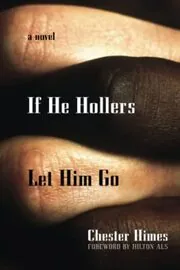
If He Hollers Let Him Go
by Chester Himes
1945
Over a few punishing days in wartime Los Angeles, shipyard worker Bob Jones fights humiliation, fear, and mounting danger on the job and off. It is a tight, furious novel about racism and the damage it does from the inside out.
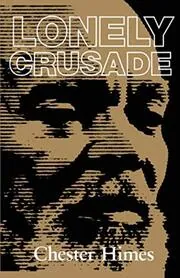
Lonely Crusade
by Chester Himes
1947
Lee Gordon tries to organize black workers at a wartime Los Angeles aircraft plant and finds himself used by bosses, union men, and political operators alike. Himes makes the workplace feel like a battlefield of race, class, and pride.
Cast the First Stone / Yesterday Will Make You Cry
by Chester Himes
1952
Drawing on Himes's prison years, this novel follows Jimmy Monroe through brutality, fear, and small flashes of tenderness inside the penitentiary. It is both a prison story and a young writer's struggle to stay human.

Third Generation
by Chester Himes
1954
A respectable black family tries to live up to middle-class ideals, but color prejudice inside the home corrodes everything around them. Himes tracks the damage across parents and sons with painful clarity.
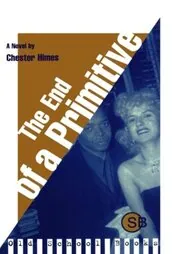
The End of a Primitive
by Chester Himes
1956
Years after a brief affair, Jesse Robinson and Kriss Cummings spend a drunken weekend dragging old resentments back into the open. Himes turns their reunion into a harsh, intimate study of race, desire, and self-destruction.
For Love of Imabelle / A Rage in Harlem
by Chester Himes
1957
Jackson falls hard for Imabelle and loses his savings to a too-good-to-be-true con, then makes everything worse trying to fix it. His streetwise twin Goldy steps in, and Harlem spins into a crooked, comic nightmare.
The Real Cool Killers
by Chester Himes
1958
A wealthy white man with a taste for young black girls is shot outside a Harlem bar, and almost everyone nearby has a reason to lie. The detectives face gangs, missing suspects, and trouble that lands close to home.
The Big Gold Dream
by Chester Himes
1959
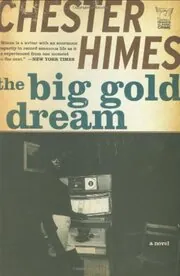
When a woman drops dead at a storefront revival, her hidden fortune starts moving from hand to hand and bodies begin to pile up. Coffin Ed and Grave Digger race through scams, sermons, and greed to find the money.
The Crazy Kill
by Chester Himes
1959
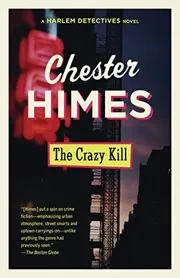
A preacher falls from a window and lands alive, only for a murdered man to be found below him in a bread basket. Coffin Ed and Grave Digger step into a case packed with jealousy, secrets, and neighborhood gossip.
All Shot Up
by Chester Himes
1960
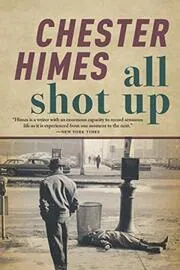
An old woman is struck by a gold-looking Cadillac, a barroom shootout leaves bodies behind, and missing money links everything in ways no one sees at first. Coffin Ed and Grave Digger have to bully order out of pure confusion.
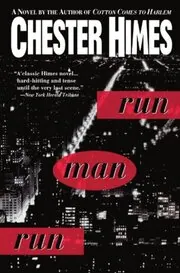
Run Man Run
by Chester Himes
1960
Jimmy witnesses a white detective murder a coworker and spends the rest of the novel trying to stay alive long enough to tell the truth. It is a lean, relentless chase story fueled by fear and institutional impunity.
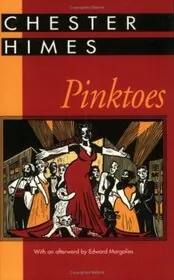
Pinktoes
by Chester Himes
1961
Mamie Mason presides over a Harlem world of status, interracial desire, and public virtue hiding private farce. Himes turns social comedy vicious here, using satire to skewer liberals, climbers, and would-be reformers.
A Case Of Rape
by Chester Himes
1963
After a white woman dies in Paris, four black men are swiftly convicted of raping her. Himes uses the case to strip away easy assumptions about sex, race, and justice.
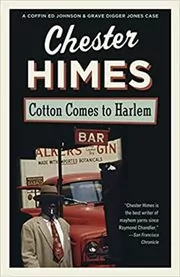
Cotton Comes to Harlem
by Chester Himes
1964
A fake Back-to-Africa preacher vanishes with a fortune from a Harlem rally, only for the money to turn up hidden in a bale of cotton. Coffin Ed and Grave Digger chase grifters, gunmen, and dreamers through one of Himes's wildest cases.
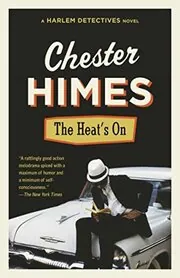
The Heat's On / Come Back Charleston Blue
by Chester Himes
1966
Coffin Ed and Grave Digger get hammered from every side as heroin, false reports, shootings, and a giant albino called Pinky tear through Harlem. The plot is chaotic on purpose, and the detectives are barely allowed to catch their breath.
Blind Man with a Pistol / Hot Day, Hot Night
by Chester Himes
1969
Harlem is sweltering and close to riot when Coffin Ed and Grave Digger are pulled between murder, madness, and public disorder. It is a fast, jagged finale that turns the whole neighborhood into a pressure cooker.
Black On Black
by Chester Himes
1973
A mixed collection of stories and other writings, centered on black life in America and the masks people wear to survive it. The pieces range from bitterly funny to bruising and direct.
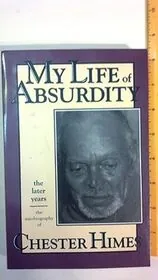
My Life of Absurdity
by Chester Himes
1990
This second memoir follows Himes from postwar America to Paris, the South of France, and Spain as fame arrives unevenly. He writes about exile, money troubles, literary circles, and the strange business of becoming better known abroad than at home.

The Collected Stories of Chester Himes
by Chester Himes
1991
This large collection gathers Himes's short fiction across decades, from prison stories to sketches of work, religion, sex, and survival. You can see the range of his voice, from hard-bitten realism to dark comedy.
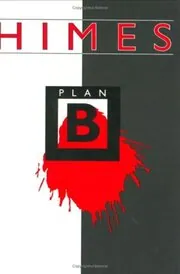
Plan B
by Chester Himes
1993
Tomsson Black is preparing violent revolt, and even Coffin Ed and Grave Digger cannot keep Harlem from tipping toward catastrophe. Himes's final Harlem novel is raw, political, and deliberately apocalyptic.
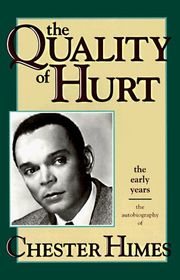
The Quality of Hurt
by Chester Himes
1997
In the first volume of his autobiography, Himes writes about his childhood, prison years, and the hard road to becoming a novelist. It is blunt, funny, and angry, with the same sharp eye that powers his fiction.
Where to start with Chester Himes
If you want the Harlem detectives first: For Love of Imabelle / A Rage in Harlem → The Real Cool Killers → Cotton Comes to Harlem
If you want the early social novels: If He Hollers Let Him Go → Lonely Crusade → Third Generation
If you want prison writing and autobiography: Cast the First Stone / Yesterday Will Make You Cry → The Quality of Hurt → My Life of Absurdity
If you want a tense standalone chase story: Run Man Run → A Case Of Rape
Chester Himes sub-series and character series
Coffin Ed Johnson and Grave Digger Jones books in order
Explore this series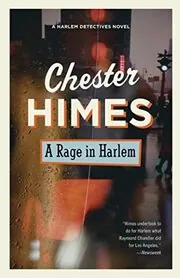
For Love of Imabelle / A Rage in Harlem
by Chester Himes
1957Coffin Ed Johnson and Grave Digger Jones, Book 1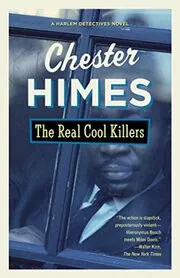
The Heat's On / Come Back Charleston Blue
by Chester Himes
1966Coffin Ed Johnson and Grave Digger Jones, Book 7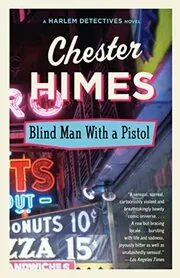
Blind Man with a Pistol / Hot Day, Hot Night
by Chester Himes
1969Coffin Ed Johnson and Grave Digger Jones, Book 8
Coffin Ed Johnson and Grave Digger Jones books in chronological order
For Love of Imabelle / A Rage in Harlem
by Chester Himes
1957Coffin Ed Johnson and Grave Digger Jones, Book 1The Heat's On / Come Back Charleston Blue
by Chester Himes
1966Coffin Ed Johnson and Grave Digger Jones, Book 7Blind Man with a Pistol / Hot Day, Hot Night
by Chester Himes
1969Coffin Ed Johnson and Grave Digger Jones, Book 8
Chester Himes collections, short stories, and related book types
Short Story Collections
Non-Fiction
Standalone Chester Himes books
Author bio
Chester Himes was born in Jefferson City, Missouri, in 1909, into a family of educators, and spent parts of his childhood in Missouri, Arkansas, and Ohio before the family settled in Cleveland. Home was full of learning, ambition, and tension, and Himes grew up watching race and class shape even the most intimate parts of family life.
One family tragedy stayed with him for years. As a boy, he saw his brother lose his sight in a household accident, a shock that later fed the anger, grief, and raw alertness in his fiction.
At nineteen, his life broke sharply off course.
After a short time at Ohio State University and an expulsion over a prank, Himes took part in an armed robbery and was sent to the Ohio State Penitentiary. He began writing there, publishing stories while still inside, and he never forgot the 1930 prison fire that killed hundreds of inmates. Prison gave him material, discipline, and a reason to write his way out.
When he was paroled in 1936, he kept at it. He worked odd jobs, spent time with the Ohio Writers' Project, and slowly turned himself into a novelist. His first published novel, If He Hollers Let Him Go, put a black shipyard worker in wartime Los Angeles under crushing racial pressure. Readers still come to it for its speed, fury, and the way Himes shows fear working on a person's nerves minute by minute.
The books that followed kept pressing on the same bruises. Lonely Crusade looks at labor, politics, and manipulation in a wartime factory. The Third Generation turns inward to colorism and family damage in the black middle class. Cast the First Stone, later restored as Yesterday Will Make You Cry, goes back to prison and strips the place of romance.
America gave him material, but not much comfort.
In 1953 he left for Europe, living first in Paris and later in the South of France and Spain. In France he found publishers and readers who took him seriously, and there he created the Harlem detectives Coffin Ed Johnson and Grave Digger Jones. Books like For Love of Imabelle, The Real Cool Killers, and Cotton Comes to Harlem mix police work, street comedy, sudden violence, and a Harlem that feels half real city, half fever dream. That series made him famous abroad, and in 1958 he won a major French crime fiction prize.
He could be brutally funny. He could also be brutally honest, especially in The Quality of Hurt and My Life of Absurdity, his two autobiographical volumes. Those books show the same thing his novels do, a man who noticed humiliation instantly, refused to soften it, and could turn even chaos into sharp, readable prose.
Paris changed his career, and Lesley Packard changed his daily life. They met there in the late 1950s, and after he suffered a stroke in 1959 she became his partner, proofreader, and steady support. The two later lived in southern France and then Spain, where Himes died in Moraira in 1984. His books still feel alive because they do not smooth anything over. They stay jumpy, funny, hurt, and dangerous right to the end.





Edited by
Software engineer whose passion for tracking book recommendations from podcasts inspired the creation of MRB.
Lead investor at 3one4 Capital whose startup expertise and love for books helped shape MRB and its growth.
Comments
Did we miss something? Have feedback?
Help us improve this page by sharing your thoughts