
Celtic World Of Morgan Llywelyn Books in Order
Part ofMorgan Llywelyn Books in OrderSee the Celtic World Of Morgan Llywelyn books in order, with summaries, reading order, series background, and help choosing where to start.
Last updated:
As an Amazon Associate, we earn from qualifying purchases (at no extra cost to you).
Celtic World Of Morgan Llywelyn books in publication order
10 books

The Wind from Hastings
by Morgan Llywelyn
1978
Set around the upheaval of 1066, this debut novel follows a Welsh noblewoman caught between love, loyalty, and conquest. Private choices and national history collide as Britain is remade.
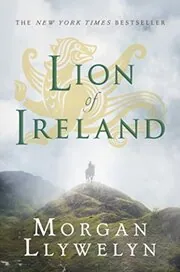
Lion of Ireland
by Morgan Llywelyn
1980
Brian Boru's rise from younger son to High King drives this sweeping Irish epic. Llywelyn balances battles and statecraft with the personal rivalries and relationships that make power so costly.
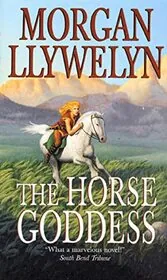
The Horse Goddess
by Morgan Llywelyn
1982
As the world of Troy fades and new powers rise, Epona's life turns into legend. Love, wandering, and the roots of Celtic horse lore shape this myth-rich historical novel.
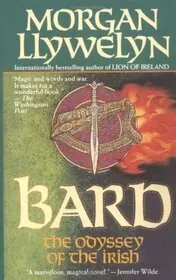
Bard
by Morgan Llywelyn
1984
Amergin leads his people toward Ireland in a novel that turns early migration legend into lived experience. Poetry, war, and myth move together as newcomers confront the mysterious Tuatha De Danann.
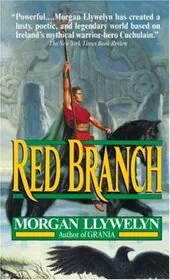
On Raven's Wing / The Red Branch
by Morgan Llywelyn
1989
This volume returns to the Ulster legends, following Setanta as he becomes Cú Chulainn and enters the fierce world of the Red Branch warriors. It is heroic, tragic, and full of looming fate.
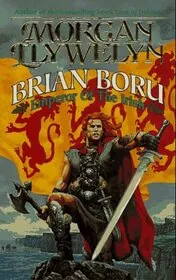
Brian Boru: Emperor of the Irish
by Morgan Llywelyn
1990
Written for younger readers, this book follows Brian Boru from his warrior childhood to his rise as High King. Llywelyn makes a huge life feel immediate and easy to follow.
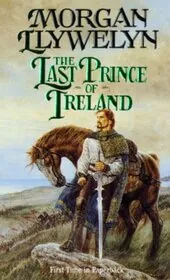
The Last Prince of Ireland
by Morgan Llywelyn
1992
Beginning with the defeat at Kinsale, this novel follows Donal O'Sullivan Beare as English pressure closes around the old Gaelic order. It is a hard, emotional story of resistance and loss.
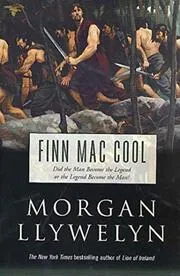
Finn Mac Cool
by Morgan Llywelyn
1994
Llywelyn reimagines Ireland's legendary warrior as an ambitious, gifted man who rises from a low place in society. The result is part hero tale, part coming-of-age story, and part meditation on fame.
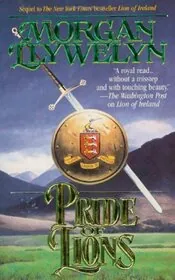
Pride of Lions
by Morgan Llywelyn
1996
After Brian Boru's death, his son Donough must protect both family and kingdom in a newly fractured Ireland. The novel carries Brian's legacy into a harsher struggle for survival and succession.
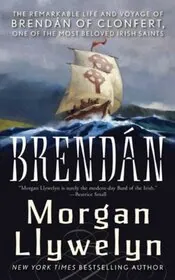
Brendan
by Morgan Llywelyn
2010
Llywelyn retells the life of Saint Brendan of Clonfert as a story of faith, ambition, and voyage. The book follows the man behind the legend as he is drawn toward the edge of the known world.
Celtic World Of Morgan Llywelyn books in chronological order
Series background & context
Celtic World of Morgan Llywelyn is less a strict series in the modern franchise sense and more a long conversation between history and legend. The books do not all follow one family or one hero. Instead, they move across centuries, countries, and belief systems, returning again and again to the peoples, stories, and turning points that shaped the Celtic past as Llywelyn imagines it.
That gives the series a wide range.
Some books feel close to myth retelling. Others read more like historical novels grounded in real rulers, migrations, wars, and saints. You might spend one book with a legendary figure like Finn Mac Cool, another with the poet Amergin in Bard, another with Brian Boru in Lion of Ireland, and another with Brendan navigating the boundary between faith, voyage, and wonder. The unifying thread is not plot continuity. It is worldview.
Llywelyn writes as if legend grew out of lived experience. Her heroes may become larger than life, but they still have to walk through weather, hunger, love, jealousy, duty, and battle. Sacred sites matter because people gather there. Druids matter because communities listen to them. Songs, prophecies, and omens matter because they help people make sense of a dangerous world. That approach keeps the books from floating off into pure fantasy, even when the material is ancient and strange.
Ireland is the emotional center, but not the only setting.
The series reaches into Celtic Britain, Gaul, and the older migrations that feed into Irish story. It is interested in where peoples came from, what they carried with them, and how memory survives conquest, conversion, and change. Again and again, the books return to land, language, kinship, and the tension between the old ways and the new.
The tone shifts from book to book. Some entries are heroic and sweeping. Some are rougher and more political. Some lean harder into the mystical. But readers can usually expect strong settings, clear stakes, and characters who are caught between personal desire and something larger than themselves, whether that is kingship, prophecy, tribal survival, or the slow arrival of a new religion.
What makes this shelf especially inviting is that you do not have to read it as one locked sequence. You can start with the legendary edge of The Horse Goddess, the national history of Lion of Ireland, the myth-history blend of Bard, or the warrior-poet energy of Finn Mac Cool. Each book stands on its own, but together they build Llywelyn's version of an older Celtic world: human, violent, spiritual, proud, and never quite finished telling its own story.



Edited by
Software engineer whose passion for tracking book recommendations from podcasts inspired the creation of MRB.
Lead investor at 3one4 Capital whose startup expertise and love for books helped shape MRB and its growth.
Comments
Did we miss something? Have feedback?
Help us improve this page by sharing your thoughts