
Burke Books in Order
Part ofAndrew Vachss Books in OrderFind the Burke books by Andrew Vachss in order, with short summaries, series background, and where to begin with Burke's dark New York world.
Last updated:
As an Amazon Associate, we earn from qualifying purchases (at no extra cost to you).
Burke books in publication order
18 books
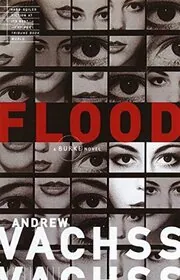
Flood
by Andrew Vachss
1985
Burke teams up with Flood, a deadly woman who wants the man who murdered a child found so she can kill him herself. Their hunt moves through New York's hidden corridors and straight toward monsters with money and protection.
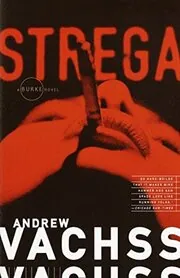
Strega
by Andrew Vachss
1987
Burke's new client wants a single obscene photo found, but the search opens into a world of money, flesh, and abused children. It is one of the books that defines just how hellish this series can get.
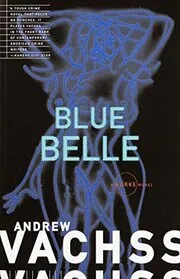
Blue Belle
by Andrew Vachss
1988
Burke is hired to find the Ghost Van that is preying on teenage prostitutes in New York. His best ally is Belle, a stripper and gifted wheelwoman who can outrun trouble almost as fast as Burke can find it.
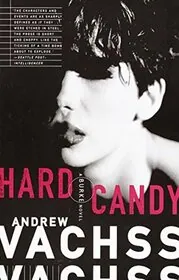
Hard Candy
by Andrew Vachss
1989
Burke investigates a soft-spoken savior who may be rescuing runaways, or recruiting them. The case puts him against organized crime, contract killers, and a hidden operation even nastier than it first seems.
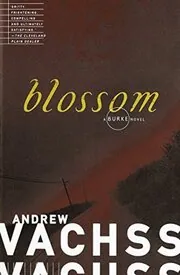
Blossom
by Andrew Vachss
1990
Summoned to a fading Indiana mill town, Burke looks into a boy charged with a crime he did not commit and a serial sniper haunting lovers' lane. There he meets Blossom, who has her own plan for vengeance.
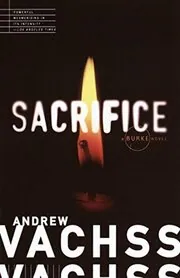
Sacrifice
by Andrew Vachss
1991
Burke chases the truth behind a gifted little boy turned into a killer calling himself Satan's Child. His search leads through welfare hotels, street myth, and ritualized violence toward the adults who made him.
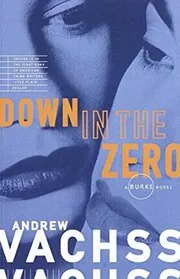
Down in the Zero
by Andrew Vachss
1994
Burke investigates a rash of teen suicides in a wealthy Connecticut suburb and finds a link to an elite sadomasochistic underground. The farther he goes, the more carefully manufactured the victims' despair looks.

Footsteps of the Hawk
by Andrew Vachss
1995
Burke is hunted by rogue cops while a seductive client wants him to free a man accused of rape-murders. Nothing in the case is clean, and the city feels ready to sell him out.
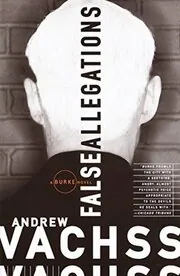
False Allegations
by Andrew Vachss
1996
Burke is hired by a crusader who claims to expose false charges of child sexual abuse, but the case may be horribly real. Working for the wrong side forces Burke into one of his dirtiest moral corners.
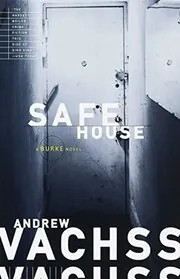
Safe House
by Andrew Vachss
1998
Crystal Beth asks Burke to protect an underground refuge for abused women from a sadistic stalker with powerful backing. To keep the house standing, Burke has to fight both the predator and the system shielding him.
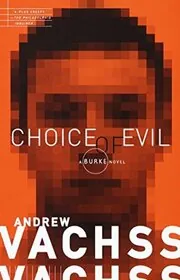
Choice of Evil
by Andrew Vachss
1999
After Crystal Beth is murdered at a gay rights rally, Burke goes after a vigilante killer targeting gay bashers. The case grows stranger when the methods start to resemble those of Wesley, his long-dead childhood partner.
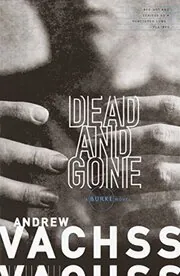
Dead and Gone
by Andrew Vachss
2000
A professional hit squad nearly kills Burke and does kill his partner, forcing him into hiding with a new face and a private war. His search for the people behind the attack runs across the country and into his own past.
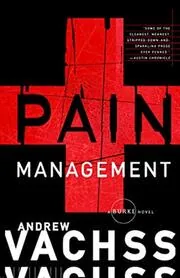
Pain Management
by Andrew Vachss
2001
Exiled in Portland, Burke hunts for a missing teenager who does not fit the usual runaway pattern. Cut off from his old network, he joins forces with a rogue group that relieves unbearable pain by any means.
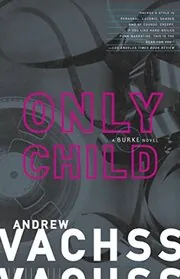
Only Child
by Andrew Vachss
2002
Back in New York after years away, Burke takes a mob boss's job, find the killer who butchered his illegitimate daughter, Vonni. The trail through local teens and underground film culture is ugly even by Burke's standards.
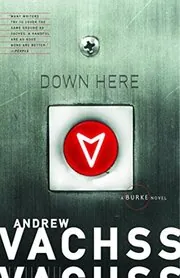
Down Here
by Andrew Vachss
2004
When Wolfe is arrested for trying to kill a rapist she once prosecuted, Burke builds a shaky alliance to prove the case is rotten. The deeper he digs, the clearer it becomes that powerful people want the truth buried.

Mask Market
by Andrew Vachss
2006
After a client is gunned down, Burke opens a dossier on Beryl Preston, a girl he rescued from a pimp twenty years earlier. The search becomes both a missing-person case and a reckoning with his own past.
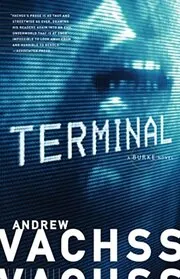
Terminal
by Andrew Vachss
2007
Burke returns to violence-for-money when a terminally ill ex-gang enforcer offers a path to revenge and cash. Their target is a cold case that leads to wealthy men who have never paid for what they did.
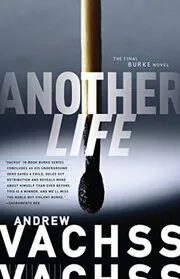
Another Life
by Andrew Vachss
2008
With the Prof lying in a coma, Burke accepts one last impossible job, recovering a kidnapped prince's son in exchange for help he cannot refuse. The case drags him back toward his own beginnings for a ferocious finale.
Burke books in chronological order
Series background & context
The Burke books are the core of Andrew Vachss's fiction, and they are not built like cozy detective novels or neat police procedurals. Burke is an ex-con, thief, sometime killer, and unlicensed investigator who works outside the law because he does not trust the law to protect the people who need protecting. He lives in the shadows of New York, takes ugly jobs, and goes after predators even when it costs him.
He is not a clean hero. That is the point.
What makes the series stick is Burke's family of choice. Around him gathers one of crime fiction's great outlaw crews: Max, the nearly silent martial artist; the Mole, a buried electronics genius; Michelle; Mama; the Prof; Terry; Wolfe; and others who drift in and become part of the structure. These are not side characters who reset between books. Their histories matter. Their losses matter. The series grows because the family grows, fractures, protects itself, and keeps going.
Most of the cases circle the same moral center. Burke is repeatedly drawn toward crimes against children, sexual exploitation, corrupt institutions, serial predators, and the adults who profit from pain while pretending to be respectable. Flood starts with the murder of a child. Strega goes into child pornography and the flesh-and-money underside of the city. Later books widen out to stalking, false abuse narratives, hate crimes, cold cases, missing girls, and the long aftermath of trauma.
The New York setting is essential. This is not the city of landmarks and postcards. It is the city of welfare hotels, peep shows, all-night diners, hidden rooms, abandoned piers, strip clubs, shelters, basements, and alleyways. Burke moves through a version of New York where every block has its own rules and every favor has a price. Vachss makes the place feel like a living machine, cruel, crowded, and impossible to fully map.
The tone is stripped down and hard. The dialogue is fast. The violence is blunt. Vachss does not prettify anything, and he does not offer easy comfort. Still, the series is not just rage. Burke's loyalty to his people gives the books warmth in odd places. A shared meal, a favor repaid, a child quietly protected, these moments land because the world around them is so harsh.
The series gets larger as it goes.
Early books like Flood, Strega, Blue Belle, and Hard Candy give you the raw blueprint. Middle entries deepen the family and widen the moral field. By the time you reach Terminal and Another Life, the books are carrying years of history and damage. Cases can often be read on their own, but publication order gives the fullest payoff.
If you want the pure Vachss experience, this is where to start. Burke is damaged, angry, funny in a dry way, and never fully at peace. The books ask a simple question again and again: when the official systems fail, who steps in, and what are they willing to become?







Edited by
Software engineer whose passion for tracking book recommendations from podcasts inspired the creation of MRB.
Lead investor at 3one4 Capital whose startup expertise and love for books helped shape MRB and its growth.
Comments
Did we miss something? Have feedback?
Help us improve this page by sharing your thoughts