
Bruce Medway Books in Order
Part ofRobert Wilson Books in OrderBrowse the Bruce Medway series by Robert Wilson in order, with short summaries, series background, and where to start in these West African noirs.
Last updated:
As an Amazon Associate, we earn from qualifying purchases (at no extra cost to you).
Bruce Medway books in publication order
4 books
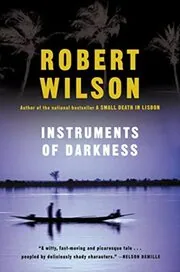
Instruments of Darkness
by Robert Wilson
1995
Bruce Medway, a fixer working the West African coast, goes looking for a missing British expatriate after a disastrous rice deal. The search leads into corruption, expat rot, and violence that is much closer than he expects.
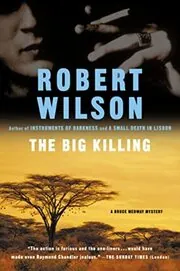
The Big Killing
by Robert Wilson
1996
Stranded in Ivory Coast and short of options, Bruce Medway takes two risky jobs that send him toward Liberia’s civil war. A botched delivery, a diamond trail, and too many armed men make survival the main goal.
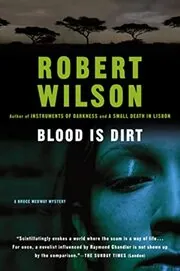
Blood Is Dirt
by Robert Wilson
1997
A client’s missing millions pull Bruce Medway and Bagado into Benin’s brutal world of scams, laundering, and toxic deals. Then the client’s daughter arrives, hungry for revenge, and Bruce is pulled much deeper than he planned.
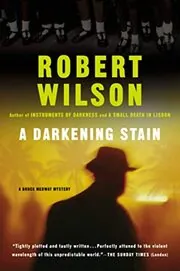
A Darkening Stain
by Robert Wilson
1998
Bruce Medway plans to ignore the disappearance of schoolgirls in Cotonou until the case turns personal. What follows is a grim dive into corruption, mafia revenge, illegal gold, and one more scheme that could kill everyone involved.
Bruce Medway books in chronological order
Series background & context
Bruce Medway is one of Robert Wilson’s great scruffy survivors. He is not a private detective in the classic sense. He is a fixer, negotiator, debt collector, shipping middleman, and occasional investigator, an Englishman making his living along the West African coast because he needs money and has learned how to operate in places where formal systems do not help much. The series begins with Instruments of Darkness and never pretends the work is clean.
Bruce is a strong guide because he is capable, funny, and morally flexible without ever becoming cold. He drinks too much, makes bad calls, gets in over his head, and is often drawn toward people he knows he should avoid. Two relationships steady the series: Heike, a German aid worker who sees through him, and Bagado, a Nigerian and Beninois detective whose sense of duty makes a sharp contrast with Bruce’s opportunism.
Improvising is his main survival skill.
The setting is a huge part of the appeal. These books move through Benin, Ivory Coast, Liberia, and the borderlands of trade, war, and corruption, where ports, customs sheds, hotel bars, bad roads, and political favors matter as much as any detective’s notebook. Wilson wrote them out of years spent traveling, living, and working in Africa, and the result is not tourist scenery. It is a working world, full of smugglers, businessmen, officials, aid workers, and drifters, all trying to get their cut or simply stay alive.
The plots throw Bruce into missing persons cases, disastrous rice deals, diamond business, toxic waste scams, organized crime, and kidnappings that expose uglier systems underneath. The Big Killing, Blood Is Dirt, and A Darkening Stain keep widening that picture. What links the books is not only Bruce, but Wilson’s interest in what greed, weak institutions, and foreign money do to everyday life. The tone is noir, but it is also darkly funny and often very sharp about the absurdity of people who think they can control a place they barely understand.
These novels are worth reading in order because Bruce’s alliances, habits, and scars carry forward. They are gritty, but not joyless. The banter is good, the danger feels close, and Bruce is the kind of hero who survives by wits rather than glamour. If you like crime fiction that feels sweaty, morally messy, and deeply rooted in place, this is probably Wilson’s best starting point outside Seville.




Edited by
Software engineer whose passion for tracking book recommendations from podcasts inspired the creation of MRB.
Lead investor at 3one4 Capital whose startup expertise and love for books helped shape MRB and its growth.
Comments
Did we miss something? Have feedback?
Help us improve this page by sharing your thoughts