
Brian Froud Books in Order
Browse Brian Froud books in order, with short summaries, reading order, Dark Crystal and faerie background, and simple help on where to start.
Last updated: 1 new book added
As an Amazon Associate, we earn from qualifying purchases (at no extra cost to you).
Brian Froud books in publication order
25 books
Faeries
by Brian Froud
1978
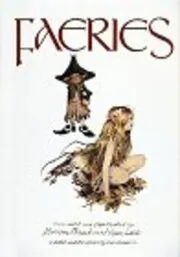
Built like a field guide to the hidden realm, this classic gathers folklore, legends, and art about faeries from many traditions. It is one of Froud's defining books, balancing beauty, oddness, and the sense that these beings are not tame.
The World of The Dark Crystal
by Brian Froud
1982
This large-format companion collects Froud's concept art and the lore behind Thra's creatures, places, and history. If you want to see how the film's strange beauty was imagined, start here.

The Goblins of Labyrinth
by Brian Froud
1986
Created from Froud's concept art for Labyrinth, this book introduces the film's goblins as a full, grubby society. The sketches, notes, and Terry Jones text make the realm behind Goblin City feel wonderfully lived in.
Lady Cottington's Pocket Pressed Fairy Book
by Brian Froud
1994
A smaller-format return to Lady Cottington's notorious hobby, this edition keeps the pressed-fairy joke compact and portable. It is the same impish mix of faux Victorian charm, rude humor, and mischievous artwork.
Lady Cottington's Pressed Fairy Book
by Brian Froud
1994
This fake Victorian diary claims to prove fairies exist by trapping them between its pages. Terry Jones's wickedly funny text and Froud's splattered illustrations turn a pretty fairy book into gleeful black comedy.
Lady Cottington's Pressed Fairy Journal
by Brian Froud
1994
A companion diary and calendar expands Lady Angelica's habit of spotting, naming, and pressing intrusive fairies. It keeps the mock-Victorian joke going with more annotations, specimens, and very bad behavior.
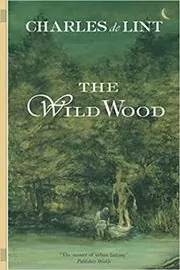
The Wild Wood
by Brian Froud
1994
A young artist returns to her cabin in the Canadian woods hoping to recover her creative spark. When strange beings begin appearing in her drawings and the forest seems to be asking for help, she has to face Faerie and her own buried fears.
Strange Stains and Mysterious Smells: Based on Quentin Cottington's Journal of Faery Research
by Brian Froud
1996
Presented as Quentin Cottington's recovered journal, this faux field notebook investigates the odd traces faeries leave behind. It expands the Cottington joke from pressed specimens to stains, smells, and other suspicious evidence.

The Goblin Companion
by Brian Froud
1996
Framed as a field guide assembled from a goblin portraitist's notebooks, this book catalogs goblin types with mock authority and gross charm. It is shorter than The Goblins of Labyrinth but keeps the same grubby sense of fun.

Trolls
by Brian Froud
1996
Brian and Wendy Froud build a whole troll culture, following a young troll on a quest to gather stories. The book mixes paintings, sculpture, folklore, and found-object oddities into a playful but earthy journey.
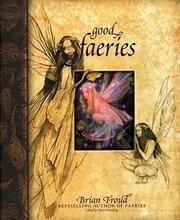
Good Faeries Bad Faeries
by Brian Froud
1998
Froud sorts the faery realm into helpers, tricksters, and darker beings, showing that not every fairy is sweet. It is half folklore survey, half art book, with a playful but slightly unsettling edge.
The Faeries' Oracle
by Brian Froud
2000
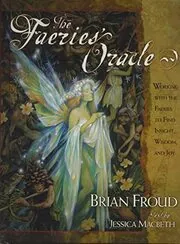
This oracle set uses sixty-six cards and a guidebook to bring Froud's faery world into readings and reflection. Expect goblins, moon dancers, pixies, and a more mystical follow-up to his illustrated faerie books.
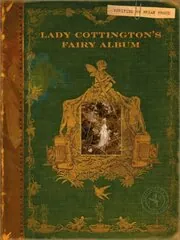
Lady Cottington's Fairy Album
by Brian Froud
2002
Young Angelica discovers her sister Euphemia's photo album and uncovers scandalous family history, fairy encounters, and troubling hints about her own ancestry. It is a fake Victorian artifact, funny, rude, and just a little sinister.
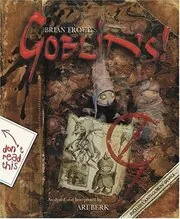
Goblins!
by Brian Froud
2004
Presented as a messy field guide, this book digs into goblin habits, types, and infestations with mock-serious scholarship and a lot of jokes. Froud's art and Ari Berk's text make the creatures grotesque, funny, and oddly believable.
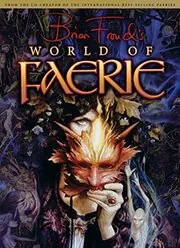
Brian Froud's World of Faerie
by Brian Froud
2007
A deeply personal tour through Froud's faerie imagination, packed with paintings, drawings, and reflections on the hidden world beside ours. It feels less like a guidebook than an invitation into the landscape that shaped his art.
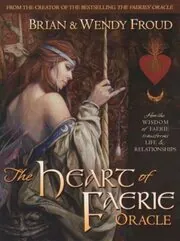
The Heart of Faerie Oracle
by Brian Froud
2010
This oracle set pairs sixty-eight faerie cards with Wendy Froud's guidebook on reading them and reflecting on relationships. It is a gentler, more intimate companion to Brian Froud's earlier faerie deck.
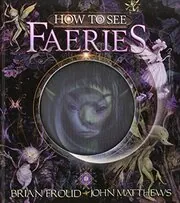
How to See Faeries
by Brian Froud
2011
Part guide, part interactive art book, this collaboration with John Matthews treats faerie sight as something you can practice. It mixes lore, prompts, and lavish imagery to blur the line between folklore and make-believe.
Jim Henson's The Dark Crystal: Creation Myths, Volume 1
by Brian Froud
2011
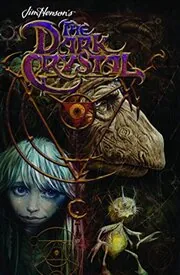
The origin story of Thra begins with Aughra, the Crystal, and the arrival of the urSkeks. It sets up the mythology behind the film with a mix of cosmic fantasy, creature lore, and richly strange visuals.
Jim Henson's The Dark Crystal: Creation Myths Vol. 2
by Brian Froud
2012
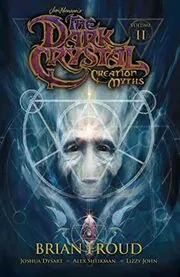
As the urSkeks prepare for the next Great Conjunction, Raunip grows suspicious of their plans and Thra edges toward disaster. This middle volume deepens the world's mythology while tightening the sense of doom.
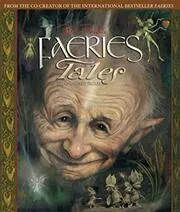
Brian Froud's Faeries' Tales
by Brian Froud
2014
Brian and Wendy Froud invite readers into a gallery of individual faeries, each with its own voice, mood, and small story. It reads like a storybook and art book at once, full of wonder, mischief, and a little unease.
Jim Henson's The Dark Crystal: Creation Myths, Volume 3
by Brian Froud
2015
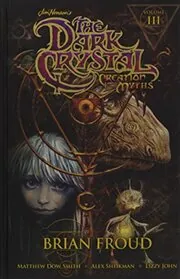
Thra reels after the Great Conjunction, the Skeksis seize power, and Aughra and Raunip struggle with the broken Crystal. This final volume shows how harmony gives way to the darker world of the film.
Brian and Wendy Froud's The Pressed Fairy Journal of Madeline Cottington
by Brian Froud
2016
A descendant returns to the crumbling Cottington estate and uncovers letters, journals, and odd devices tied to the family's long feud with faeries. The result is a funny, slightly eerie faux archive full of secrets and mischief.
Jim Henson's The Dark Crystal Artist Tribute
by Brian Froud
2018
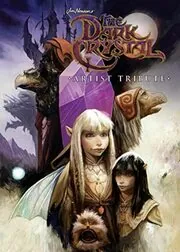
More than sixty artists revisit Thra, reimagining the film's creatures, places, and heroes in their own styles. It is a celebration of The Dark Crystal's visual power, with Brian Froud included among the contributors.
Jim Henson's The Dark Crystal Creation Myths: The Complete Collection
by Brian Froud
2019
This omnibus gathers the full Creation Myths trilogy, tracing Thra's earliest ages from Aughra's birth to the rise of the Skeksis. It is part prequel, part lore book, and a strong starting point for Dark Crystal readers.
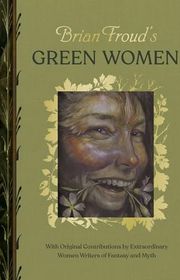
Brian Froud’s Green Women
by Brian Froud
2026
Brian Froud imagines the female counterparts of the mysterious Green Man in more than seventy new portraits. Stories and reflections by women writers accompany the artwork, exploring figures that can be nurturing, playful, ancient, or threatening.
Where to start with Brian Froud
If you want the classic faerie books: Faeries → Good Faeries Bad Faeries → Brian Froud's World of Faerie
If you want Dark Crystal lore first: The World of The Dark Crystal → Jim Henson's The Dark Crystal: Creation Myths, Volume 1 → Jim Henson's The Dark Crystal: Creation Myths Vol. 2 → Jim Henson's The Dark Crystal: Creation Myths, Volume 3
If you want darkly funny faux-Victorian mischief: Lady Cottington's Pressed Fairy Book → Strange Stains and Mysterious Smells: Based on Quentin Cottington's Journal of Faery Research → Lady Cottington's Fairy Album
If you want an interactive oracle or guide: The Faeries' Oracle → The Heart of Faerie Oracle → How to See Faeries
Brian Froud sub-series and character series
Brian Froud's Faerielands books in order
Explore this seriesBrian Froud's Faerielands books in chronological order
The Cottington Family’s Pressed Fairy Books books in order
Explore this series
Lady Cottington's Pocket Pressed Fairy Book
by Brian Froud
1994The Cottington Family’s Pressed Fairy Books, Book 3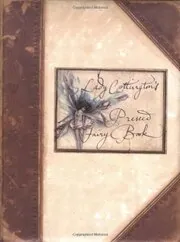
Lady Cottington's Pressed Fairy Book
by Brian Froud
1994The Cottington Family’s Pressed Fairy Books, Book 1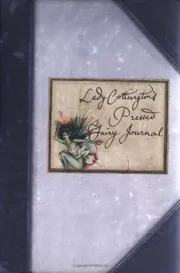
Lady Cottington's Pressed Fairy Journal
by Brian Froud
1994The Cottington Family’s Pressed Fairy Books, Book 2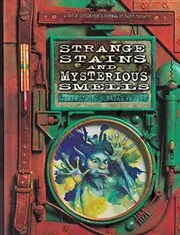
Strange Stains and Mysterious Smells: Based on Quentin Cottington's Journal of Faery Research
by Brian Froud
1996The Cottington Family’s Pressed Fairy Books, Book 4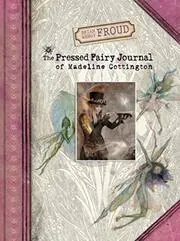
Brian and Wendy Froud's The Pressed Fairy Journal of Madeline Cottington
by Brian Froud
2016The Cottington Family’s Pressed Fairy Books, Book 5
The Cottington Family’s Pressed Fairy Books books in chronological order
Lady Cottington's Pressed Fairy Book
by Brian Froud
1994The Cottington Family’s Pressed Fairy Books, Book 1Lady Cottington's Pressed Fairy Journal
by Brian Froud
1994The Cottington Family’s Pressed Fairy Books, Book 2Lady Cottington's Pocket Pressed Fairy Book
by Brian Froud
1994The Cottington Family’s Pressed Fairy Books, Book 3Strange Stains and Mysterious Smells: Based on Quentin Cottington's Journal of Faery Research
by Brian Froud
1996The Cottington Family’s Pressed Fairy Books, Book 4Brian and Wendy Froud's The Pressed Fairy Journal of Madeline Cottington
by Brian Froud
2016The Cottington Family’s Pressed Fairy Books, Book 5
The Dark Crystal books in order
Explore this series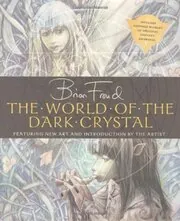
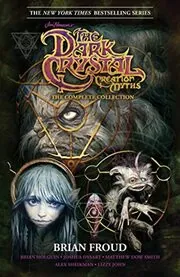
Jim Henson's The Dark Crystal Creation Myths: The Complete Collection
by Brian Froud
2019The Dark Crystal, Book 6
The Dark Crystal books in chronological order
Jim Henson's The Dark Crystal Creation Myths: The Complete Collection
by Brian Froud
2019The Dark Crystal, Book 6
Brian Froud collections, short stories, and related book types
Collections
Non-Fiction
Standalone Brian Froud books
by Brian Froud
2026With Original Contributions by Extraordinary Women Writers of Fantasy and Myth
Author bio
Brian Froud was born in Winchester in 1947 and grew up first in rural Hampshire, then in Kent. Long before films and bestselling art books, he was a child drawn to old stories, strange creatures, and the feeling that the landscape might be hiding another life just out of sight.
He studied at Maidstone College of Art, entering in 1967 and graduating in graphic design in 1971. While he was there, he came across Arthur Rackham's illustrations in the college library, and that helped bring folklore and fairy tale imagery to the center of his work. Froud came to books through painting and drawing first, not through a conventional writing career, and that still shows in the way his projects grow.
For Froud, the image usually comes before the story.
After art school he spent five years working as a commercial illustrator in Soho, London. In 1975 he moved to Chagford, on the edge of Dartmoor in Devon, and that change of place mattered. The moor's weather, tors, twisted trees, mossy banks, and old local folklore became a lasting source of shapes, moods, and creatures in his paintings.
Dartmoor stayed with him.
In 1978 he and fellow artist Alan Lee published Faeries, a richly illustrated guide to faerie lore that became the book many readers still start with. It reached a wide audience, hit the New York Times bestseller list, and helped make Froud a central modern image-maker of faeries. What readers often respond to most is the balance in the work, beauty on one page, mischief or menace on the next. Later books such as Good Faeries Bad Faeries and Brian Froud's World of Faerie kept building that same mix of wonder, humor, folklore, and unease.
Jim Henson saw that sensibility and brought Froud into film. As conceptual designer on The Dark Crystal and later Labyrinth, Froud helped shape the look of whole fantasy worlds, from the solemn, uncanny atmosphere of Thra to the grubby comic energy of Goblin City. Those films made his art familiar to people who had never picked up one of his books, and the companion volumes The World of The Dark Crystal and The Goblins of Labyrinth let readers see how much of the finished world began as sketches, textures, and creature studies.
He has never stayed in just one lane. Lady Cottington's Pressed Fairy Book, created with Terry Jones, turns the pretty idea of a fairy album into a fake Victorian diary full of squashed faeries and wicked jokes, and it won Froud a Hugo Award for Best Original Artwork. Other projects move in different directions again, The Faeries' Oracle and The Heart of Faerie Oracle lean into divination, How to See Faeries plays with guidebook form, and books like Trolls and Faeries' Tales show how easily he shifts between art book, storybook, field guide, and mock archive.
Across all of it, certain things keep returning. Nature matters. Old folklore matters. The border between the human world and the unseen world is always thin, and the creatures on the other side are rarely just cute or just frightening. They are playful, rude, earthy, wise, secretive, and often a little unsettling, which is probably why they stick in the mind.
He lives in Devon with his wife, Wendy Froud, a sculptor and puppet maker he met while working on The Dark Crystal. Their son Toby appeared as the baby in Labyrinth and later worked with them on The Dark Crystal: Age of Resistance. Froud still works from Devon, with Dartmoor and its old, half-glimpsed magic never very far from the page.







Edited by
Software engineer whose passion for tracking book recommendations from podcasts inspired the creation of MRB.
Lead investor at 3one4 Capital whose startup expertise and love for books helped shape MRB and its growth.
Comments
Did we miss something? Have feedback?
Help us improve this page by sharing your thoughts