
Brandon Taylor Books in Order
Explore Brandon Taylor's books in order, with short summaries, a helpful author biography, and straightforward advice on where to start reading.
Last updated:
As an Amazon Associate, we earn from qualifying purchases (at no extra cost to you).
Brandon Taylor books in publication order
4 books
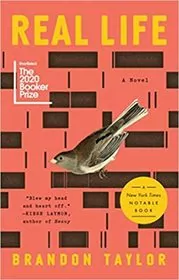
Real Life
by Brandon Taylor
2020
Wallace, a Black queer biochemistry student from Alabama, feels both trapped and unseen in his Midwestern grad program. Over one tense summer weekend, friendship, racism, desire, and a risky new connection force him to face what it costs to stay guarded.
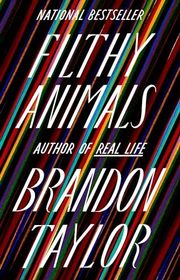
Filthy Animals
by Brandon Taylor
2021
In these linked stories, young people in the Midwest chase intimacy, misread one another, and carry old pain into new relationships. The emotional center follows a lonely young man drawn into an open relationship that tests his need for closeness.
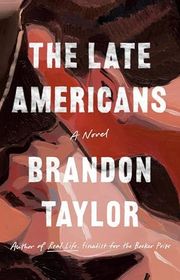
The Late Americans
by Brandon Taylor
2023
In Iowa City, a shifting circle of writers, dancers, workers, and students move through sex, ambition, money trouble, and friendship. As their lives keep colliding, each has to reckon with art, work, and the uncertainty of the future.
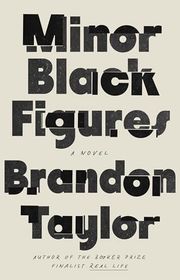
Minor Black Figures
by Brandon Taylor
2025
During a hot New York summer, painter Wyeth is stuck creatively and unsure what kind of artist he wants to be. A new relationship with Keating and a search for a forgotten Black artist push him into questions about art, faith, race, and desire.
Where to start with Brandon Taylor
If you want the clearest starting point: Real Life
If you want linked stories instead of a novel: Filthy Animals
If you want a bigger ensemble cast: The Late Americans
If you want the full publication order: Real Life → Filthy Animals → The Late Americans → Minor Black Figures
Brandon Taylor collections, short stories, and related book types
Short Story Collections
Standalone Brandon Taylor books
Author bio
Brandon Taylor was born in Prattville, Alabama, and grew up on a farm outside Montgomery in a working-class, deeply religious family. He has said he taught himself to read with his brother's schoolbooks and whatever else was around the house, including nursing manuals and romance novels. That mix of seriousness, improvisation, and close observation still feels present in his fiction.
Science came first.
Taylor took his first degree at Auburn University at Montgomery and then moved into graduate work in biochemistry at the University of Wisconsin-Madison. He has spoken about loving the rhythm of lab life, the patience of experiments, and the way research teaches you to notice small changes. That habit of looking closely shows up all through his books.
Writing arrived later, but it arrived hard. Taylor has said that reading André Aciman's Call Me by Your Name when he was young was a turning point, because it showed him feelings and queer experience on the page in a way he had not seen before. While living in Madison and working in a lab, he pushed through writer's block, wrote quickly, and then left his PhD path after earning a master's degree to study at the Iowa Writers' Workshop.
That leap led to Real Life in 2020. The novel follows Wallace, a Black queer graduate student in a Midwestern university town, over one tense summer weekend, and it made many readers sit up and pay attention. It was shortlisted for the Booker Prize, and it introduced the concerns Taylor keeps returning to, race, class, work, desire, grief, and the ways people fail one another even when they mean well.
He didn't stay in one lane.
With Filthy Animals, Taylor turned to linked stories, many of them set among young creatives in the Midwest. The book keeps circling intimacy, loneliness, and the uneasy overlap between tenderness and cruelty. It won The Story Prize, which made plain that his short fiction could hit just as hard as his novels.
Then came The Late Americans, a wider, busier book set in Iowa City. It follows writers, dancers, workers, and students as they move through sex, money trouble, ambition, art, and friendship. If Real Life is tightly focused, The Late Americans opens the frame and lets a whole social world press in.
In Minor Black Figures, Taylor moves into New York's art scene. The novel centers on Wyeth, a painter stuck in his work, and follows him through a hot summer shaped by a new relationship and a search for a forgotten Black artist. It brings together several of Taylor's recurring interests, art and labor, faith and doubt, sex and self-consciousness, and the question of how to make a life without sanding down the parts of yourself that matter most.
Across these books, Taylor often writes about young or not quite settled people, queer men, artists, students, workers, friends, lovers, people trying to read a room while also protecting themselves from it. He is especially good at the pressure of conversation, the small social wound, the look that lands a little too hard. Even when not much happens on the surface, his characters are usually fighting for air underneath.
Taylor now lives in New York City. Readers who connect with his work tend to like its precision, its emotional tension, and the way it treats ordinary life as something charged, messy, and worth paying close attention to.






Edited by
Software engineer whose passion for tracking book recommendations from podcasts inspired the creation of MRB.
Lead investor at 3one4 Capital whose startup expertise and love for books helped shape MRB and its growth.
Comments
Did we miss something? Have feedback?
Help us improve this page by sharing your thoughts