
Books of the Rai-kirah Books in Order
Part ofCarol Berg Books in OrderSee the Books of the Rai-kirah by Carol Berg in order, with brief summaries, series background, and helpful guidance on where to start.
Last updated:
As an Amazon Associate, we earn from qualifying purchases (at no extra cost to you).
Books of the Rai-kirah books in publication order
3 books

Transformation
by Carol Berg
2000
Seyonne, once a Warden and now a slave, is bought by Prince Aleksander, heir to the empire that crushed his people. When he discovers a demon threat aimed at the prince, duty forces him to protect the man he has every reason to hate.

Revelation
by Carol Berg
2001
Back in Ezzaria, Seyonne should finally be home, but the worsening demon war and a baffling encounter shake everything he believes. His search for a possessed child becomes a deeper search into history, faith, and his own soul.
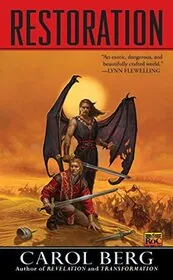
Restoration
by Carol Berg
2002
Seyonne is plagued by madness, visions, and the fear that he may be the one who destroys the world. As empire and demon war collide, he and Aleksander must face the cost of everything they have become.
Books of the Rai-kirah books in chronological order
Series background & context
The Books of the Rai-kirah begin with one of Carol Berg's sharpest setups. Seyonne was once a Warden of Ezzaria, trained to fight demons, but sixteen years of slavery have stripped him down to endurance and habit. In Transformation, he is bought by Prince Aleksander, heir to the Derzhi Empire, the same empire that conquered Seyonne's people and crushed their way of life.
The heart of the trilogy is the bond between two men who should have remained enemies.
That setup gives the series its constant tension. Seyonne has every reason to hate the Derzhi and the arrogant prince who owns him, yet he is also the one person who can recognize the demon threat gathering around Aleksander. What begins as forced service turns into a dangerous alliance, and then into something more complicated and harder to name. Berg keeps the focus close, so the epic stakes never float away from the personal ones. Every revelation about magic, empire, or prophecy lands through Seyonne's conscience first.
The world around them is just as important. The Derzhi are desert conquerors who prize strength and war, while the Ezzarians were the people who understood the hidden demon war no one else could see. That split gives the books a strong cultural edge. Power, literacy, belief, shame, and duty all mean different things depending on who is speaking. The series gets a lot of mileage from that friction.
In Revelation and Restoration, the story widens. Seyonne returns to Ezzaria, only to find that going home is not simple and old certainties are not as solid as he believed. The demon war grows stranger. The history behind the rai-kirah refuses to stay tidy. Visions, madness, political upheaval, and questions about destiny start pressing much harder on both Seyonne and Aleksander. But even as the trilogy gets bigger, it never stops being about how two damaged people try to carry impossible responsibility.
This is dark fantasy, but it is not empty misery.
What readers usually respond to here is the emotional intensity. Seyonne is thoughtful, angry, compassionate, traumatized, and constantly forced to act before he has had time to heal. Aleksander begins as exactly the sort of prince you want to distrust, and the series makes him earn every step of change. If you like character-driven epic fantasy, close first-person narration, and stories that keep digging into the moral cost of power, the Rai-kirah books are a very good place to start with Berg.













Edited by
Software engineer whose passion for tracking book recommendations from podcasts inspired the creation of MRB.
Lead investor at 3one4 Capital whose startup expertise and love for books helped shape MRB and its growth.
Comments
Did we miss something? Have feedback?
Help us improve this page by sharing your thoughts