
Blood in the Sun Books in Order
Part ofNuruddin Farah Books in OrderFind every Blood in the Sun novel by Nuruddin Farah in order, with concise summaries, series background, and clear guidance on where to start.
Last updated:
As an Amazon Associate, we earn from qualifying purchases (at no extra cost to you).
Blood in the Sun books in publication order
3 books
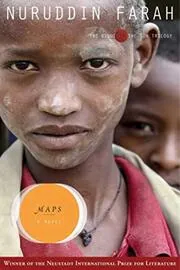
Maps
by Nuruddin Farah
1986
Orphaned at birth and raised by Misra in the Ogaden, Askar grows up torn between his foster mother and Somali nationalism. As war and accusations close in, his ideas about loyalty, identity, and borders are tested.

Gifts
by Nuruddin Farah
1990
Duniya, a widowed nurse raising twins in Mogadishu, tries to keep her family independent amid hardship and war. A foundling baby and a wealthy friend’s attention unsettle the careful balance of her household.

Secrets
by Nuruddin Farah
1998
On the eve of Somalia’s civil war, businessman Kalaman receives an unexpected visit from Sholoongo, his childhood companion. Her return revives an old promise and forces buried truths about family, desire, and identity into the open.
Blood in the Sun books in chronological order
Series background & context
Nuruddin Farah’s Blood in the Sun trilogy consists of Maps, Gifts, and Secrets. The novels are not a single continuing story in the usual sense. Each has different central characters and a different shape, but all three ask how people define themselves when family, nation, and history pull in opposing directions.
Somalia is the shared ground. Farah moves between village life, Mogadishu, and the wider pressures created by war, displacement, and outside intervention. The books are interested in big public questions, but they usually reach them through intimate relationships: a child and foster mother, a mother and her children, a man and the people who know his past.
Maps opens with Askar, an orphan raised in the Ogaden by Misra, a woman whose identity places her outside the nationalist ideals that later surround him. Askar grows up amid the Somalia-Ethiopia conflict and becomes increasingly torn between love for the woman who raised him and the political loyalties expected of him. It is a coming-of-age novel, but it is also about borders, both the ones drawn on paper and the ones people carry in their minds.
Then comes Gifts, perhaps the most domestic of the three books. Duniya is a widowed nurse and single mother in Mogadishu, trying to keep her household steady while war, scarcity, and foreign aid reshape daily life. Her family’s troubles are immediate and personal, yet the novel keeps asking what it means to receive help, owe someone something, or preserve independence when survival is uncertain.
Nothing stays simple for long.
In Secrets, the action takes place shortly before Somalia’s civil war breaks out. Kalaman, a businessman in Mogadishu, is unsettled when Sholoongo, a woman from his childhood, returns and asks him to honor an old promise. Her arrival draws him into buried family stories and questions about his own origins. The novel has an uneasy, almost mythic mood, with memory and rumor carrying as much force as public events.
Together, the trilogy is thoughtful, layered fiction rather than quick plot-driven reading. Farah uses shifting viewpoints, dreams, folklore, and private arguments to show that national crises are never only national. They change marriages, friendships, parenthood, and the stories people tell about themselves.
Readers can begin with Maps for the fullest sense of the trilogy’s development. Start with Gifts if a family-centered story appeals more, or choose Secrets for its darker, more tangled tale of desire, ancestry, and the approach of civil war.


Edited by
Software engineer whose passion for tracking book recommendations from podcasts inspired the creation of MRB.
Lead investor at 3one4 Capital whose startup expertise and love for books helped shape MRB and its growth.
Comments
Did we miss something? Have feedback?
Help us improve this page by sharing your thoughts