
Blaines Books in Order
Part ofAndrew Taylor Books in OrderExplore the Blaines novels by Andrew Taylor in order, with summaries, series background, and guidance on where to start with this Cold War family thriller.
Last updated:
As an Amazon Associate, we earn from qualifying purchases (at no extra cost to you).
Blaines books in publication order
3 books
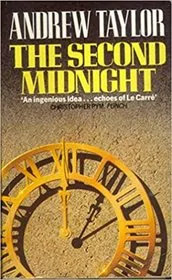
The Second Midnight
by Andrew Taylor
1987
As Europe slides toward war, young Hugh Kendall is taken to Prague on his father's intelligence business and left behind. The novel grows into a sweeping story of espionage, loyalty, and survival across wartime and Cold War Europe.

Blacklist
by Andrew Taylor
1988
As the Cold War nears its end, old intelligence work still throws a long shadow. Taylor turns spy fiction into a tense story about loyalty, family damage, and unfinished business.
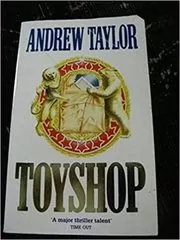
Toyshop
by Andrew Taylor
1990
Wolfgang's death brings old wartime loyalties and intelligence ties back into the open. The final Blaines novel is less about spy tricks than the human cost of secrecy.
Blaines books in chronological order
Series background & context
The Blaines books are Andrew Taylor's take on the spy novel, but they are much more interested in people than in tradecraft. These are stories about intelligence work, yes, but even more about what war and secrecy do to families over time. The trilogy stretches from the years around the Second World War into the late Cold War, and the emotional damage lasts at least that long.
The first book, The Second Midnight, gives a good sense of the series at once. A boy, Hugh Kendall, is taken to Prague by his father on intelligence business and is then left behind as Europe slides into catastrophe. From there the story opens outward into occupied territory, divided loyalties, uneasy friendships, and the long consequences of choices made under pressure. Taylor uses that child's-eye starting point well. Espionage here is never only about states and missions. It is about abandonment, trust, survival, and memory.
As the trilogy continues through Blacklist and Toyshop, the cast widens and the time frame stretches, but the basic concern stays the same. The official world of intelligence matters, yet the real force of the books comes from private lives caught underneath it. Old operations leave behind damaged marriages, compromised loyalties, unfinished grief, and children who inherit conflicts they never chose. That is where the title family feeling of the series really comes from. The personal and the political are knotted together so tightly that they cannot be separated.
The settings move through England and continental Europe, with wartime occupation and postwar suspicion hanging over everything. Taylor is very good at showing how history changes the mood of a place. Prague under threat, the wreckage left by Nazi rule, and the grey tensions of the Cold War all shape the characters' choices. The books never treat the background as wallpaper. Politics is present in the daily texture of life, in who can be trusted, who can travel, who must keep quiet, and who has already been marked.
These are patient, intelligent thrillers rather than gadget-heavy spy adventures. There is danger, betrayal, and pursuit, but the real suspense often lies in watching buried truths work their way back to the surface. A revelation about the past can matter more than a chase scene. That makes the trilogy feel richer and sadder than a straightforward espionage saga.
Lives split by war rarely come back together cleanly.
If you like spy fiction with a strong family story inside it, and historical thrillers that care as much about aftermath as action, the Blaines books are well worth your time.













Edited by
Software engineer whose passion for tracking book recommendations from podcasts inspired the creation of MRB.
Lead investor at 3one4 Capital whose startup expertise and love for books helped shape MRB and its growth.
Comments
Did we miss something? Have feedback?
Help us improve this page by sharing your thoughts