
Benjamin Netanyahu Books in Order
Explore Benjamin Netanyahu books in order, with short summaries and a guide to the series and standalone titles to help you choose where to start reading.
Last updated:
As an Amazon Associate, we earn from qualifying purchases (at no extra cost to you).
Benjamin Netanyahu books in publication order
5 books
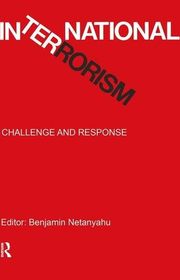
International Terrorism
by Benjamin Netanyahu
1982
This collection brings together contributions from the 1979 Jerusalem Conference on Terrorism. Politicians, diplomats, scholars and journalists discuss terrorism's origins and methods, weighing competing ideas about the responses governments and societies might make to it.
Terrorism
by Benjamin Netanyahu
1986
Edited by Benjamin Netanyahu, this collection assembles perspectives from political leaders, journalists and specialists in terrorism and Middle Eastern affairs. Their contributions examine international terrorism and the policies Western countries might adopt in response to it.
A Durable Peace
by Benjamin Netanyahu
1993
Benjamin Netanyahu presents his account of Zionism, Israel's history and its relations with Arab neighbors and Western powers. He argues for particular conditions for lasting peace, connecting territorial questions with his assessment of Israel's security needs.
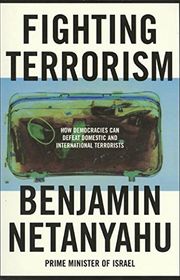
Fighting Terrorism
by Benjamin Netanyahu
1995
Benjamin Netanyahu argues for a coordinated democratic response to domestic and international terrorism. He examines state support for militant groups, technological threats and the tension between public security and civil liberties when governments seek to prevent attacks.
Bibi
by Benjamin Netanyahu
2022
Benjamin Netanyahu recounts his family background, military service and rise in Israeli politics. Personal memories of his brother's death sit alongside accounts of diplomatic relationships, economic decisions and the convictions that have guided his public career.
Where to start with Benjamin Netanyahu
For his life and political career: Bibi
For his counterterrorism argument: Fighting Terrorism
For the edited collections: International Terrorism → Terrorism
For Israel and regional security: A Durable Peace
Standalone Benjamin Netanyahu books


by Benjamin Netanyahu
1995How Democracies Can Defeat Domestic and International Terrorists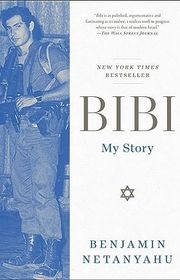
Author bio
Benjamin Netanyahu writes about terrorism, Israeli security and political leadership, combining policy arguments with an account of his own public life. His books include edited collections, studies of how governments should respond to political violence, and the memoir Bibi. They offer different ways into his thinking: the policy books develop positions on security, while the memoir connects those positions to family history and political experience.
Netanyahu studied architecture and management at MIT. He served as a soldier and commander in Sayeret Matkal, later became Israel's ambassador to the United Nations from 1984 to 1988, and entered the Knesset as a member of Likud in 1988. His earlier terms as prime minister ran from 1996 to 1999 and from 2009 to 2021.
The books approach public policy from a participant's point of view.
International Terrorism gathers contributions on the origins and nature of terrorism and possible responses. Netanyahu's role as editor matters: a collection presents several contributors rather than one continuous argument in his voice. Terrorism is also an edited volume, bringing together discussion of how Western countries might confront politically motivated violence. The two books are useful for readers interested in the development of those debates and the different kinds of expertise brought to them.
Fighting Terrorism presents Netanyahu's own case for a coordinated response by democracies. He considers the relationship between terrorist groups and supporting states, the threat posed by increasingly destructive technology, and the powers governments use to prevent attacks. His argument gives particular weight to cooperation between countries. It also addresses the difficult relationship between security measures and civil liberties.
A Durable Peace broadens the subject to Israel's position in the Middle East and its relationships with the Arab world and Western countries. Netanyahu examines the history behind those relationships and argues for his understanding of the conditions needed for lasting security. It is a political argument about Israel's future, with history used to support a particular view of diplomacy and regional danger. Readers can approach it as a statement of that view and compare its reasoning with the more focused counterterrorism books.
Bibi changes the frame from policy to a life story.
The memoir recounts Netanyahu's family background, military experience and rise in politics. His brother Yoni's death during the Entebbe rescue operation is a central personal loss. Accounts of diplomatic relationships and economic decisions sit alongside memories of family, giving readers his own explanation of the experiences and convictions behind his career. Its perspective is autobiographical, with the author looking back on choices in which he was directly involved.
There is no required reading order among these five titles. Begin with Bibi for the personal and political narrative, or Fighting Terrorism for a more concentrated policy argument. The earlier edited collections provide a wider conversation about terrorism, while A Durable Peace is the route into Netanyahu's account of Israel's regional position and the relationship between peace and security.















Edited by
Software engineer whose passion for tracking book recommendations from podcasts inspired the creation of MRB.
Lead investor at 3one4 Capital whose startup expertise and love for books helped shape MRB and its growth.
Comments
Spotted a missing book, a wrong order or a mistake? Tell us and we'll fix this page.
We're a reading guide, not the author or publisher, so we can't send books or pass on messages.