
Ben Lerner Books in Order
Browse Ben Lerner books in order, from the poetry to the novels, with short summaries, reading guidance, and clear suggestions for first-time readers.
Last updated:
As an Amazon Associate, we earn from qualifying purchases (at no extra cost to you).
Ben Lerner books in publication order
10 books
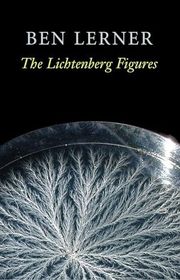
The Lichtenberg Figures
by Ben Lerner
2004
Lerner's debut poetry collection uses sonnet-like sequences to link memory, violence, and the unstable life of language. The poems are playful, restless, and intellectually sharp, with flashes of autobiography set against theory, slang, and sudden feeling.
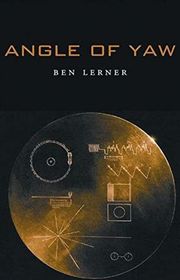
Angle of Yaw
by Ben Lerner
2006
Written partly in Madrid in the shadow of the war on terror, these poems mix personal experience with politics and media critique. Lerner tests how public speech gets bent, packaged, and emptied out, then makes that pressure part of the music.

Generation XL
by Ben Lerner
2007
This nonfiction guide argues that poor diet, too much screen time, and inactivity are hurting children's health. It makes a practical case for better food, more movement, and healthier routines at home.
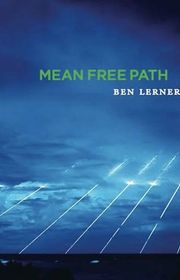
Mean Free Path
by Ben Lerner
2010
This collection breaks and recombines phrases the way particles collide, turning fragments into a strange, moving pattern. At once love poems and arguments about love poems, these pieces track what language can hold when feeling outruns expression.
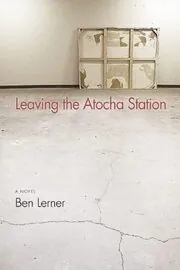
Leaving the Atocha Station
by Ben Lerner
2011
Adam Gordon, a young American poet on fellowship in Madrid, drifts through parties, museums, and uneasy romances while doubting his own sincerity. Then the 2004 train bombings break into his self-protective haze and force harder questions about art and witness.
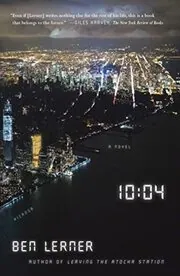
10:04
by Ben Lerner
2014
A writer in New York faces sudden literary success, a troubling diagnosis, and the possibility of helping his best friend have a child. As storms gather over the city, the novel turns questions about art and time into something intimate and urgent.
No Art
by Ben Lerner
2016
This volume gathers Lerner's first three poetry books with a handful of newer poems, making it a strong one-book entry point to his verse. Across the collection, private feeling meets public language, and formal play keeps opening new angles on both.
The Hatred of Poetry
by Ben Lerner
2016
In this short, sharp essay, Lerner starts with a paradox: people hate poetry because poems can never fully match the ideal of Poetry. He moves from Plato to Dickinson while defending the art through its built-in failure.
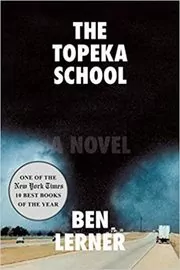
The Topeka School
by Ben Lerner
2019
In late 1990s Topeka, senior debater Adam Gordon moves through school, family pressure, and performances of masculinity. When a troubled outsider is pulled into his circle, the novel shows how private damage and public language can collide.
Recommended by
1 person Barack Obama recommended this book
Barack Obama
Barack Obama's favorite books of 2019 list.
Barack Obama's recommendation of this book
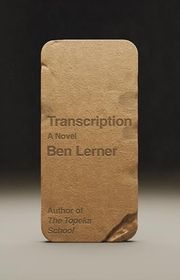
Transcription
by Ben Lerner
2026
A writer travels to Providence to interview his ninety-year-old mentor, then ruins the plan by losing his phone and saying nothing. What follows is a compact, eerie novel about memory, fatherhood, friendship, and the ways technology shapes what we keep.
Where to start with Ben Lerner
If you want the core fiction: Leaving the Atocha Station → 10:04 → The Topeka School
If you want the newest novel first: Transcription → Leaving the Atocha Station
If you want a first look at the poems: No Art → Mean Free Path → Angle of Yaw
If you want poetry plus criticism: The Hatred of Poetry → No Art
Ben Lerner collections, short stories, and related book types
Short Story Collections
Non-Fiction
Standalone Ben Lerner books
Author bio
Ben Lerner was born in 1979 and grew up in Topeka, Kansas, a place that keeps showing up in his work. The streets, schools, weather, and speech of northeastern Kansas are not just background in his books. They are part of how he thinks about family, class, ambition, and the stories Americans tell about themselves.
He went to Brown University, where he studied political theory as an undergraduate and later earned an MFA in poetry. At Brown he studied with C. D. Wright. Lerner came to writing through poems first, not prose, and for a long time poetry looked like the form that could hold his questions about art, public speech, and private feeling.
That early focus shows in The Lichtenberg Figures, his debut collection, and in Angle of Yaw and Mean Free Path. Readers who love these books tend to talk about the same things: the quick turns of thought, the humor, the sudden emotional openings, and the way official language, advertising, politics, and ordinary talk all crash into one another. Angle of Yaw was a finalist for the National Book Award in poetry, and in 2011 Lerner became the first American to win the Preis der Stadt Münster für Internationale Poesie for the German translation of The Lichtenberg Figures.
Poetry came first, and it still sits at the center of his work.
He has often said he did not set out to become a novelist. But his time in Spain, including a Fulbright period in Madrid, helped lead to Leaving the Atocha Station, his first novel. That book follows Adam Gordon, a young American poet abroad, and readers usually come to it for its dry comedy, nervous self-awareness, and sharp questions about sincerity, performance, and whether art can ever feel fully real.
10:04 widened the frame. Set in New York, it takes up literary success, illness, friendship, weather, time, and the prospect of parenthood without losing Lerner's eye for comic awkwardness. Around the same period he published The Hatred of Poetry, a short essay that begins with why people dislike poems and turns that complaint into a serious, funny defense of the form.
Then came The Topeka School, which circles back to Kansas and the late 1990s. It uses debate culture, family life, and the pressures of masculinity to show how public speech can harden into aggression or break down altogether. The novel was a finalist for the Pulitzer Prize for Fiction, and it helped bring an even wider audience to work that had long been admired by poetry readers.
His newer books keep moving across forms. No Art gathers his first three poetry collections with newer poems, making it a good snapshot of his verse, while Transcription returns to fiction through memory, technology, mentorship, and parenting. Across genres, Lerner comes back to a few linked problems: how language fails, how it still connects us, and how a person lives inside history without going numb to it.
He lives in Brooklyn and teaches English at Brooklyn College, where he is a Distinguished Professor.
Across poetry, fiction, and criticism, he keeps asking what language can reveal, and what it can never quite catch.





Edited by
Software engineer whose passion for tracking book recommendations from podcasts inspired the creation of MRB.
Lead investor at 3one4 Capital whose startup expertise and love for books helped shape MRB and its growth.
Comments
Did we miss something? Have feedback?
Help us improve this page by sharing your thoughts