
Barbara Holland Books in Order
Browse Barbara Holland books in order, with short summaries, where to start advice, and background on her memoirs, essays, history, and children's books.
Last updated:
As an Amazon Associate, we earn from qualifying purchases (at no extra cost to you).
Barbara Holland books in publication order
21 books
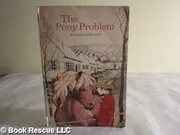
The Pony Problem
by Barbara Holland
1977
Jean Monroe wins a pony named Hopscotch in a contest and suddenly has the thing she wanted most. Keeping a pony in an ordinary neighborhood proves much harder, especially when hostile neighbors start looking for ways to take Hopscotch away.
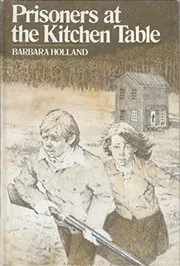
Prisoners at the Kitchen Table
by Barbara Holland
1979
Josh and Polly are kidnapped by small-time crooks and trapped in a wilderness hideout while their families scramble to raise ransom. Their friendship shifts under pressure as fear, boredom, and a chance to escape turn into a real test of nerve.
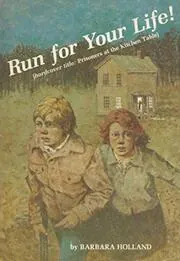
Run For Your Life
by Barbara Holland
1979
Two children are lured into a car by criminals pretending to be relatives and end up held for ransom in a remote shack. Quiet, careful Josh becomes the one who must think clearly enough to get them both home.
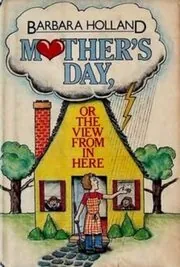
Mother's Day or the View from in Here
by Barbara Holland
1980
Holland's autobiographical account of motherhood follows her shift from advertising work to full-time domestic life. Funny, restless, and candid, it captures the loneliness, absurdity, and constant labor hidden inside an ordinary household.
Soviet Sisterhood
by Barbara Holland
1985
This essay collection brings together British feminist perspectives on women's lives in the Soviet Union. It looks at work, childcare, politics, and daily expectations, asking how official promises of equality matched the realities women actually faced.
Creepy-Mouse Coming to Get You
by Barbara Holland
1988
With their mother away at work, Jeremy has to protect his sister and her baby from the charming but violent man she married. A vacant-lot fort and a pet snake become part of this tense, unusual children's suspense story.
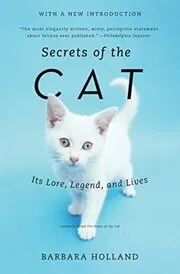
Secrets of the Cat / The Name of the Cat
by Barbara Holland
1988
Holland mixes history, folklore, observation, and cat behavior in this affectionate study of feline life. It is funny, curious, and knowingly baffled by the creatures that share our homes while keeping their own counsel.
Caring for Planet Earth
by Barbara Holland
1990
A children's introduction to environmental care that explains ecosystems, shared resources, endangered wildlife, and human impact. It connects plants, animals, and people in simple terms and encourages young readers to think about how to protect the world around them.
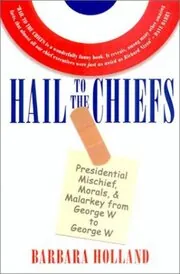
Hail to the Chiefs
by Barbara Holland
1990
A brisk, funny tour through the lives of American presidents, built from memorable details instead of textbook solemnity. Holland turns the chief executives back into human beings, complete with bad habits, odd choices, and moments of luck or disaster.
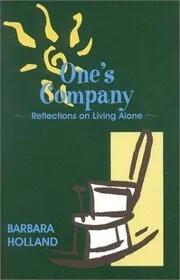
One's Company
by Barbara Holland
1992
A candid, practical reflection on living alone, written for readers who want both sympathy and usable advice. Holland mixes humor with thoughts on money, safety, solitude, cooking, and how to make an independent life feel full rather than empty.
Endangered Pleasures
by Barbara Holland
1995
Holland makes the case for naps, bacon, profanity, gardening, whistling, and other ordinary pleasures modern life keeps squeezing out. The essays are witty, contrary, and deeply fond of the small habits that make people feel at home.
Bingo Night at the Fire Hall
by Barbara Holland
1997
After inheriting a cabin in Virginia's Blue Ridge, Holland leaves Philadelphia and learns the rhythms of a rural community. Part memoir and part social history, the book records local rituals, neighbors, and the slow pressure of encroaching suburbia.
In Private Life
by Barbara Holland
1997
In this candid reissue of Mother's Day, Holland writes about marriage, housework, children, and the strange loss of self that can come with domestic life. It is funny, sharp, and unsentimental about the daily work women are expected to absorb.
Wasn't the Grass Greener?
by Barbara Holland
1999
More nostalgic, and more cranky in the best way, this essay collection remembers ordinary pleasures that seemed easier to find in earlier decades. Holland is not asking for perfection, just a world with more room for skating ponds, manners, and fun.
Brief Heroes and Histories
by Barbara Holland
2000
A lively grab bag of short historical and biographical pieces first written for magazines. Holland jumps from famous figures to offbeat subjects with curiosity, wit, and the pleasure of making the past feel quick, vivid, and human.
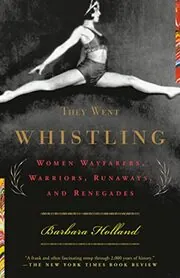
They Went Whistling
by Barbara Holland
2001
This book gathers brisk portraits of women who refused the lives they were supposed to lead. Pirates, spies, travelers, and rebels fill these pages, linked by nerve, independence, and a talent for making trouble.
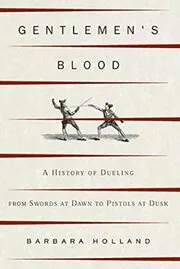
Gentlemen's Blood
by Barbara Holland
2003
Holland traces the long, strange life of the duel, from swords and codes of honor to pistols at dawn. It is a witty history of ego, ritual violence, and the real people who risked everything over insult and reputation.
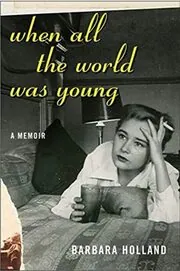
When All the World Was Young
by Barbara Holland
2005
Holland looks back on childhood and early adulthood in the Washington area during the 1940s and 1950s. The memoir is funny, unsentimental, and alert to family tension, gender rules, first jobs, and the slow end of innocence.
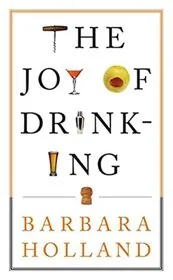
The Joy of Drinking
by Barbara Holland
2007
Part cultural history and part argument for conviviality, this book follows alcohol through ritual, custom, and everyday social life. Holland is funny and opinionated, but she is really writing about company, celebration, and the pleasures people keep trying to police.
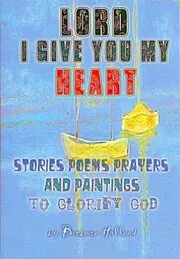
Lord, I Give You My Heart
by Barbara Holland
2013
This brief faith-centered work appears to focus on prayerful surrender and devotion. It reads like a simple Christian meditation on trusting God, offering your heart fully, and trying to live that commitment day by day.
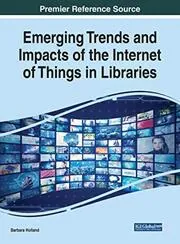
Emerging Trends and Impacts of the Internet of Things in Libraries
by Barbara Holland
2020
This edited academic collection explores how the internet of things and related technologies are reshaping library work. It covers smart spaces, automation, cloud services, virtual and augmented reality, blockchain, and the practical questions that come with building more connected libraries.
Where to start with Barbara Holland
If you want her sharpest essay voice: Endangered Pleasures → Wasn't the Grass Greener? → The Joy of Drinking
If you want memoir and personal life: In Private Life → Bingo Night at the Fire Hall → When All the World Was Young
If you like lively history: Hail to the Chiefs → They Went Whistling → Gentlemen's Blood
If you want younger-reader suspense: The Pony Problem → Prisoners at the Kitchen Table → Creepy-Mouse Coming to Get You
Barbara Holland collections, short stories, and related book types
Non-Fiction

by Barbara Holland
1990Presidential Mischief, Morals, and Malarkey from George W. to George W.
by Barbara Holland
1995In Defense of Naps, Bacon, Martinis, Profanity, and Other Indulgences
by Barbara Holland
1999Thirty-three Reasons Why Life Isn't as Good as It Used to Be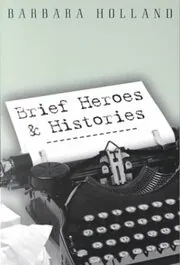
Children's Books
Author bio
Barbara Holland was born in Washington, D.C., on April 5, 1933, and grew up in Chevy Chase, Maryland, just outside the capital. Home was bookish but not especially calm, and the sharp, watchful way she later wrote about family life seems to start there.
Writing showed up early. Her mother, Marion Holland, wrote and illustrated children's books, and Barbara won the National Scholastic poetry competition two years in a row while still in high school. She briefly attended college, then left and went to work, which suited her far better than waiting for inspiration to descend.
She spent years in Philadelphia, where she worked as an advertising copywriter and learned how to make a sentence do its job. At the same time she placed stories and articles in magazines like Ladies' Home Journal, McCall's, Redbook, and Seventeen. The voice readers came to know was already plainspoken, amused, and skeptical of pomposity.
She liked the odd corner of the story.
Her first books were for younger readers. The Pony Problem gives a girl the pony she always wanted and then lets reality complicate the fantasy. Prisoners at the Kitchen Table and Creepy-Mouse Coming to Get You show another side of Holland, she took children's fear seriously and knew suspense works best when it arrives in an ordinary yard or kitchen.
As her nonfiction opened up, she wrote more directly from experience. Mother's Day, later reissued as In Private Life, is a candid book about motherhood, domestic work, and the strange loss of self that can happen inside a household. Secrets of the Cat is lighter on the surface, but it has the same curious intelligence, mixing lore, history, and close observation.
Then she became a cheerful defender of small pleasures.
In Endangered Pleasures, Bingo Night at the Fire Hall, Wasn't the Grass Greener?, and The Joy of Drinking, Holland argued for naps, bacon, profanity, local ritual, and other delights modern life keeps trying to tidy away. Readers came for the wit, but stayed for the deeper point: pleasure, idleness, and sociability matter, and a livable life needs all three.
She also had a roaming historical streak. Hail to the Chiefs strips the stiffness from presidential history, They Went Whistling gathers women adventurers and runaways, and Gentlemen's Blood turns the history of dueling into a study of honor and ego. Even in history, Holland wrote like a sharp friend telling you the best part first.
After her mother died, Holland inherited a cabin in Bluemont, Virginia, and moved there from Philadelphia in 1990. That rural world fed Bingo Night at the Fire Hall, while When All the World Was Young looked back on her 1940s and early 1950s youth near Washington with humor and honesty. She lived in Bluemont for the rest of her life and died there on September 7, 2010.





Edited by
Software engineer whose passion for tracking book recommendations from podcasts inspired the creation of MRB.
Lead investor at 3one4 Capital whose startup expertise and love for books helped shape MRB and its growth.
Comments
Did we miss something? Have feedback?
Help us improve this page by sharing your thoughts