
Arts of Dark and Light Books in Order
Part ofVox Day Books in OrderThis page shows the Arts of Dark and Light books in order by Vox Day, with short summaries, world background, and tips on where to start the saga.
Last updated:
As an Amazon Associate, we earn from qualifying purchases (at no extra cost to you).
Arts of Dark and Light books in publication order
3 books

Summa Elvetica
by Vox Day
2008
In Selenoth, a church inquiry into whether elves have souls threatens to end in diplomacy, betrayal, or holy war. The collection also includes other stories set in the same fantasy world.
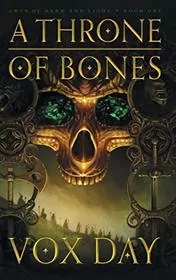
A Throne of Bones
by Vox Day
2012
In Selenoth, imperial rivalries, border rebellions, and gathering orc armies threaten to tear the world apart. This opening epic fantasy launches a sprawling war of politics, faith, and steel.
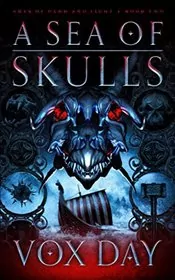
A Sea of Skulls
by Vox Day
2016
War spreads across Selenoth as civil conflict, invading orcs, wolf-demons, and new enemies batter every realm. The sequel widens the battlefield and hints at an older, deeper struggle behind the chaos.
Arts of Dark and Light books in chronological order
Series background & context
The Arts of Dark and Light books are set in Selenoth, a secondary world that borrows some of its shape from late imperial Rome, medieval church politics, and classic high fantasy. Men, elves, dwarves, trolls, goblins, and orcs all have a place in the landscape, but the series is less interested in simple race-versus-race adventure than in what happens when old powers weaken and every border starts to shake at once. The human empire of Amorr matters, but so do the northern kingdoms, the underground dwarf realms, and the lands beyond the frontier.
This is not a one-hero quest.
The central books, especially A Throne of Bones and A Sea of Skulls, work as large-cast epics. Senators, soldiers, nobles, clerics, kings, mages, and common fighters all get a turn at the wheel. One thread follows rivalry inside Amorr itself, where elite houses edge toward civil war. Another follows outside threats, from raiders and wolf-demons in the north to massing orc and goblin forces in the east. The result is a world that always feels busy, with trouble arriving from several directions at once.
Religion is part of the engine too. In Selenoth, the church is not just background decoration. It shapes politics, law, ambition, and war. That becomes especially clear in Summa Elvetica, where a theological dispute over the souls of elves could tip into diplomacy or holy war. The series keeps returning to questions like that. Who counts as fully human, or fully civilized? How much violence can institutions justify when they think they are defending order? What happens when old victories, such as the defeat of the Witchkings, stop feeling final?
The shorter works help fill in the edges of the map. A Magic Broken drops into the corrupt city of Malkan and follows a spy, a dwarf, and a kidnapped elf through a tight, ugly little crisis. The Wardog's Coin shows the world at soldier level, with mud, discipline, fear, and the brutal math of battle. The Last Witchking turns more directly toward the dark legacy of sorcery and power. Taken together, those books make Selenoth feel broader than the main novels alone would suggest.
Expect scale, but also detail.
If you like fantasy that spends time on logistics, competing loyalties, and the feel of institutions under strain, this series leans that way. The tone is serious and often martial, but not every book hits the same note. Some are sprawling and political. Some are smaller and nastier. Some pause long enough to ask theological or philosophical questions. Across them all, the ongoing appeal is the same: a large world under pressure, full of people who think they are acting for the right reasons, even when the cost is going to be paid by everyone around them.




Edited by
Software engineer whose passion for tracking book recommendations from podcasts inspired the creation of MRB.
Lead investor at 3one4 Capital whose startup expertise and love for books helped shape MRB and its growth.
Comments
Did we miss something? Have feedback?
Help us improve this page by sharing your thoughts