
Arms Books in Order
Part ofKenneth Cameron Books in OrderBrowse the Arms books by Kenneth Cameron in order, with short summaries, series background, and simple guidance on where to begin.
Last updated:
As an Amazon Associate, we earn from qualifying purchases (at no extra cost to you).
Arms books in publication order
3 books
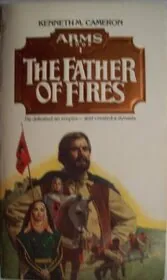
The Father of Fires
by Kenneth Cameron
1981
The opening Arms novel begins Kenneth Cameron's historical exploration of weapons and the people shaped by them. Fire, craft, power, and conflict drive a story concerned with how invention can change whole lives.

The Seeds of Fire
by Kenneth Cameron
1981
The second Arms novel continues a historical story about the changing means of violence and power. As new tools and ambitions spread, individuals and communities must live with consequences they cannot easily control.
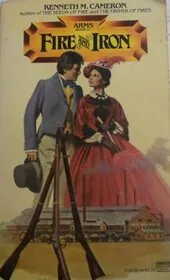
Fire and Iron
by Kenneth Cameron
1982
The Arms trilogy concludes with another wide-angle historical tale of weaponry, technology, and human cost. Its characters face a world where the forces forged from fire and iron keep remaking power and survival.
Arms books in chronological order
Series background & context
The Arms books are a historical trilogy by Kenneth Cameron: The Father of Fires, The Seeds of Fire, and Fire and Iron. The series takes a broad view of weapons, looking beyond battle scenes to the people who make, carry, sell, fear, and are changed by them.
The titles point to the material world at the center of the books. Fire and iron are not just useful tools or images of war. They stand for invention, craft, power, and the steady human effort to make force more effective. That gives the trilogy a larger historical frame than a single campaign or one hero's adventure.
These are historical novels with violence in their subject matter, but their interest is wider than combat. The recurring question is what happens when a new weapon, a new method, or a new source of power enters ordinary life. Soldiers are part of that story, but so are makers, families, travelers, and communities caught in the path of conflict.
The series is about consequences.
Cameron moves through different historical moments and uses the linked books to show that technology does not remain separate from politics, work, belief, or private life. A weapon can promise safety to one person and threat to another. It can change who holds authority, how a war is fought, and what survival asks of the people involved.
The books have the scale of historical fiction, with attention to practical skills and changing conditions, rather than the locked-room structure of a mystery or the immediate pace of a modern spy novel. Readers should expect a long view, in which the development of arms becomes a way to follow changing societies.
Read the trilogy in order, beginning with The Father of Fires. The Seeds of Fire and Fire and Iron continue the larger historical movement and make the strongest sense as the next stages of the same project. It is a good choice for readers who like history with a strong interest in how material inventions reshape human lives.




Edited by
Software engineer whose passion for tracking book recommendations from podcasts inspired the creation of MRB.
Lead investor at 3one4 Capital whose startup expertise and love for books helped shape MRB and its growth.
Comments
Did we miss something? Have feedback?
Help us improve this page by sharing your thoughts