
Alexandre Dumas Books in Order
Explore all Alexandre Dumas books in order, with series lists, summaries, reading order tips, a concise biography, and guidance on where to begin his classics.
Last updated:
As an Amazon Associate, we earn from qualifying purchases (at no extra cost to you).
Alexandre Dumas books in publication order
84 books

Antony
by Alexandre Dumas
1831
Antony, a brilliant but illegitimate young man, is reunited with Adèle, the married woman he still loves. Their forbidden passion collides with social convention and honour, driving them toward a scandalous, tragic conclusion.

Charles VII at the Homes of His Great Vassals
by Alexandre Dumas
1831
This historical drama follows King Charles VII as he moves among powerful feudal lords during the last phase of the Hundred Years’ War. Intrigues, shifting loyalties, and private vendettas show how fragile royal authority can be.

Captain Paul
by Alexandre Dumas
1838
Loosely inspired by naval hero John Paul Jones, this sea‑going adventure follows a daring captain through battles, duels, and romantic entanglements. It blends high‑stakes privateering with secrets from the past that refuse to stay buried.

Captain Pamphile
by Alexandre Dumas
1839
Captain Pamphile is a roguish seafarer who supplies Europe’s fashion for exotic animals. His voyages mix menageries, mutiny, and brushes with the slave trade, turning a darkly comic adventure into a sharp look at greed and cruelty.

Karl-Ludwig Sand
by Alexandre Dumas
1839
Here Dumas recounts the story of student Karl‑Ludwig Sand, who assassinated writer August von Kotzebue and was executed. The narrative explores youthful idealism, political repression, and how martyrdom can be manufactured from a crime.

Massacres of the South
by Alexandre Dumas
1839
This volume examines anti‑Protestant violence in southern France, tracing how propaganda, fear, and revenge produced waves of slaughter. Dumas balances scenes of mob fury with portraits of individuals caught between faith and survival.

Murat
by Alexandre Dumas
1839
Dumas sketches the life of Joachim Murat, dashing cavalry commander and king of Naples. Bold charges, risky politics, and his final, doomed attempt to reclaim a throne make for a tragic study in charisma and overreach.

The Borgias
by Alexandre Dumas
1839
Dumas’s portrait of the Borgia family follows Rodrigo, Cesare, and Lucrezia through ruthless manoeuvres in Renaissance Italy. Poison, arranged marriages, and shifting alliances show how spiritual authority and raw ambition fed one another.

The Countess of Saint Geran
by Alexandre Dumas
1839
Based on a seventeenth‑century cause célèbre, this story tells of a noble couple whose long‑awaited heir vanishes in infancy. Years later, a mysterious young man appears, and questions of identity, inheritance, and long‑hidden crime erupt.

The Marquise de Ganges
by Alexandre Dumas
1839
A beautiful young marquise finds herself trapped in a household ruled by her husband’s sinister brothers. Flattery turns to threats, then poison plots, as Dumas traces how family greed can twist devotion into lethal hatred.

Urbain Grandier
by Alexandre Dumas
1839
A more focused version of the Loudun case, this piece follows priest Urbain Grandier from local quarrels to accusations of sorcery. Exorcisms, forged evidence, and public spectacle reveal how easily justice bends to power.

Ali Pacha
by Alexandre Dumas
1840
Set in the Balkans, this narrative traces the rise of Ali Pacha of Ioannina from provincial warlord to near‑independent ruler. Ruthless tactics, shifting alliances, and a bloody fall show how local power can defy, then succumb to, empires.

Derues
by Alexandre Dumas
1840
Dumas portrays Derues as a pious‑seeming shopkeeper whose greed leads him to forgery, fraud, and murder. Slowly tightening chapters follow his lies, the suspicions of neighbours, and the evidence that finally unmasks him.

Joan of Naples
by Alexandre Dumas
1840
Queen Joanna I of Naples rules a turbulent kingdom where lovers, cousins, and political rivals all have claims. Accusations of murder and scandal swirl as Dumas explores how a woman on a medieval throne navigates power and peril.

L'avvelenatrice
by Alexandre Dumas
1840
Retelling the Brinvilliers case, this Italian edition follows a Parisian marchioness who learns to use subtle poisons against her own family. Dumas charts her descent from reckless pleasure to guilt and a sensational public execution.

La Constantin
by Alexandre Dumas
1840
This piece centres on Catherine Deshayes, known as La Voisin or La Constantin, implicated in fortune‑telling, abortions, and poisonings under Louis XIV. Dumas shows how superstition, fear, and high‑born clients fed a thriving underground trade.

Martin Guerre
by Alexandre Dumas
1840
Drawing on the famous case of the missing peasant, this story follows a man who returns to his village after years away—or so it seems. Dumas plays out the doubts of wife and neighbours as identity itself goes on trial.

Napoleon Bonaparte
by Alexandre Dumas
1840
Dumas’s portrait of Napoleon traces the general’s rise from obscure artillery officer to ruler of France. Battles, coups, and personal vignettes are told in brisk, story‑driven chapters that highlight both his genius and his ambition.

Nisida
by Alexandre Dumas
1840
Set around the island of Nisida near Naples, this dark tale unfolds as a confession of crime and misplaced love. Storms, prisons, and an ill‑fated relationship show how passion and revenge can entangle generations.

The Cenci
by Alexandre Dumas
1840
Retelling a notorious Italian case, this narrative follows Beatrice Cenci and her family under the cruel rule of her father. Abuse, a desperate plot to kill him, and a harsh papal justice system drive the story toward the scaffold.

The Fencing Master
by Alexandre Dumas
1840
Set in Russia around the Decembrist revolt, this novel has an ageing French fencing master drawn into political conspiracy. As he trains young nobles, duels and betrayals reveal how honour and revolution clash under an autocratic regime.

The Marquise de Brinvilliers
by Alexandre Dumas
1840
A fuller version of the Brinvilliers story, this work follows the marchioness from her education in poisons to the long series of quiet murders in her family. Court gossip and police investigation finally bring her to grim justice.

Vaninka
by Alexandre Dumas
1840
In tsarist Russia, proud noblewoman Vaninka falls in love with a guards officer beneath her station. Their secret affair, mixed with hints of conspiracy, ends in betrayal and harsh punishment from a state that trusts no passion it cannot control.

Ascanio
by Alexandre Dumas
1843
Set in the court of François I, this story follows Italian sculptor Benvenuto Cellini and his apprentice Ascanio. When both men love the same young woman, court intrigues, jealous rivals, and royal whims turn art and romance into peril.

Ascanio
by Alexandre Dumas
1843
Another edition of Dumas’s novel about Cellini and his apprentice, this volume likewise traces Ascanio’s love for Colombe and the plots of powerful enemies. Passion, jealousy, and artistic pride play out against a glittering Renaissance backdrop.
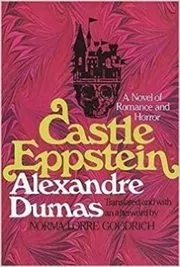
Castle Eppstein
by Alexandre Dumas
1843
In this Gothic tale, a young woman marries into the sinister Eppstein family and moves into their haunted castle. Secret passages, vengeful spirits, and buried crimes close in as she uncovers why so many Eppstein brides meet violent ends.
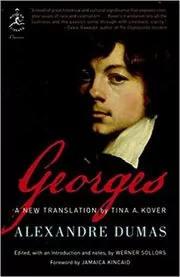
Georges
by Alexandre Dumas
1843
On colonial Mauritius, light‑skinned Georges Munier returns from Europe determined to confront the racism that humiliated his mixed‑race family. Love, duels, and a planned uprising force him to choose between personal revenge and broader justice.

The Conspirators
by Alexandre Dumas
1843
Also known as *The Chevalier d’Harmental*, this novel follows a young nobleman drawn into a plot against Regent Philippe d’Orléans. Masked meetings, rooftop escapes, and a dangerous love affair entangle him in high‑stakes treason.

The Corsican Brothers
by Alexandre Dumas
1844
Separated at birth, Corsican twins Louis and Lucien de Franchi share a mysterious bond, feeling each other’s pain across distance. One becomes a Paris lawyer, the other stays in the vendetta‑ridden hills, until honour and revenge reunite them.
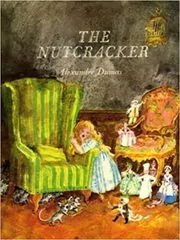
The Nutcracker
by Alexandre Dumas
1844
Dumas retells Hoffmann’s Christmas fantasy for French readers: a girl receives a wooden nutcracker that comes to life, battles the Mouse King, and leads her into a magical kingdom. The tone is lighter, playful, and full of fairy‑tale wonder.
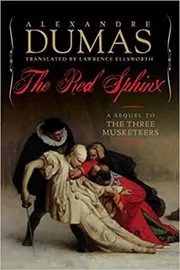
The Red Sphinx
by Alexandre Dumas
1844
A companion to *The Three Musketeers*, this novel plunges into the struggle between Cardinal Richelieu and the ambitious Comte de Moret. Court plots, sieges, and secret missions show the same France from new angles of power and betrayal.
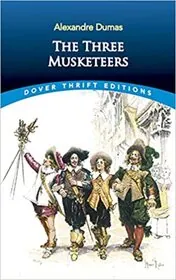
The Three Musketeers
by Alexandre Dumas
1844
Young Gascon d’Artagnan rides to Paris to join the king’s musketeers and instead befriends Athos, Porthos, and Aramis. Together they battle cardinal’s guards, foreign agents, and the deadly Milady de Winter in a whirlwind of duels and intrigue.
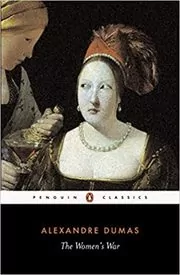
The Women's War
by Alexandre Dumas
1844
During the civil wars of the Fronde, Gascon officer Baron des Canolles finds himself torn between two women on opposite political sides. His divided loyalties pull him through sieges, salons, and scandals where personal feelings shape public war.

La Reine Margot
by Alexandre Dumas
1845
Covering the same turbulent years as *Marguerite de Valois*, this version follows Queen Margot through deadly court feuds, shifting alliances, and a dangerous love affair. Dumas paints Catherine de’ Medici’s court as brilliant, vicious, and haunted.

Louise de La Vallière
by Alexandre Dumas
1845
This segment of the d’Artagnan saga focuses on the gentle Louise de La Vallière, caught between her love for Raoul de Bragelonne and the attentions of King Louis XIV. Court masques, plots, and betrayals make private feeling dangerously public.

Marguerite de Valois
by Alexandre Dumas
1845
Against the backdrop of the St Bartholomew’s Day massacre, Marguerite de Valois is forced to marry Protestant Henry of Navarre. Palace intrigues, assassins, and forbidden love swirl around them as France tears itself apart along religious lines.

The Count of Monte Cristo
by Alexandre Dumas
1845
Falsely imprisoned sailor Edmond Dantès escapes after years in a dungeon, finds a hidden treasure, and returns in disguise as the Count of Monte Cristo. His intricate plan for revenge reshapes the lives of friends and enemies alike.
Recommended by
5 people Mike Maples, Jr. recommended this book
Mike Maples, Jr.
"Speaking of a book about grudges." - Mike Maples, Jr.
Mike Maples, Jr.'s recommendation of this book  Patrick Collison recommended this book
Patrick Collison
Patrick Collison labeled this book "substantially above average."
Patrick Collison's recommendation of this book  PewDiePie recommended this book
PewDiePie
"Incredible." - PewDiePie
PewDiePie's recommendation of this book  Nassim Taleb recommended this book
Nassim Taleb
"This treasure will prevent you from enjoying other novels." - Nassim Taleb
Nassim Taleb's recommendation of this book  James Clear recommended this book
James Clear
"[One of] the 10 best fiction books." - James Clear
James Clear's recommendation of this book
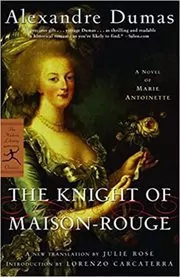
The Knight of Maison-Rouge
by Alexandre Dumas
1845
During the French Revolution, a mysterious royalist known as the Knight of Maison‑Rouge plots to rescue Marie Antoinette from prison. A young republican, bound by duty yet fascinated by the plot, is drawn into a web of disguises and betrayals.

The Regent's Daughter
by Alexandre Dumas
1845
Set under the regency of Philippe d’Orléans, this novel follows young conspirator Gaston de Chanley and the sheltered daughter of the regent. Plots to assassinate a prince, hidden identities, and a conflicted love story drive the tension.
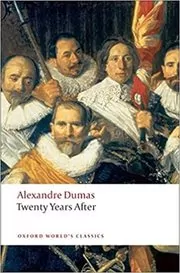
Twenty Years After
by Alexandre Dumas
1845
Two decades after their first exploits, d’Artagnan and the musketeers meet again amid the Fronde in France and civil war in England. Political upheaval, the fate of Charles I, and an implacable new foe test their ageing courage and friendship.

Chichot the Jester
by Alexandre Dumas
1846
Chicot, the wise‑cracking fool of King Henry III, moves freely between throne room and tavern, mocking everyone while quietly gathering secrets. His adventures mix sharp comedy with duels and ambushes during the savage French Wars of Religion.

Joseph Balsamo
by Alexandre Dumas
1846
The enigmatic magician Joseph Balsamo, also known as Cagliostro, weaves plots to bring down the French monarchy as young Marie Antoinette arrives in France. Hypnosis, secret societies, and intertwined destinies set the stage for revolution.

One Thousand and One Ghosts
by Alexandre Dumas
1846
A dinner party of travellers trade chilling stories of executions, talking heads, vampires, and vengeful corpses. Half frame‑story, half anthology, this macabre collection lets Dumas toy with folklore, black humour, and the thin line between life and death.

Taking the Bastile
by Alexandre Dumas
1846
This volume in the Marie Antoinette cycle races toward July 14, 1789. Street agitators, royal guards, and ordinary Parisians converge as the Bastille falls, and Dumas shows how long‑running conspiracies erupt into sudden, world‑changing violence.

The Two Dianas
by Alexandre Dumas
1846
Set in sixteenth‑century France, this sweeping romance follows Gabriel de Montgomery, the man who accidentally kills King Henry II in a tournament. His fate becomes entangled with the king’s mistress Diane de Poitiers and her daughter Diana de Castro.

Ten Years Later
by Alexandre Dumas
1847
Continuing from *The Vicomte de Bragelonne*, this volume follows the musketeers through intrigues around Fouquet, Colbert, and the king’s finances. Old comrades must choose between loyalty to friends and obedience to an increasingly absolute monarch.

The Forty Five Guardsmen
by Alexandre Dumas
1847
In the last Valois novel, forty‑five gentlemen are sworn to defend King Henry III as France reels from religious wars. Amid their secret missions, Dumas tells of Diane de Méridor’s long quest for revenge and the plots of rival noble factions.
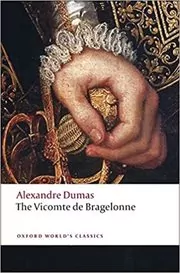
The Vicomte de Bragelonne
by Alexandre Dumas
1847
Beginning the final phase of the musketeer saga, this novel introduces Raoul, Vicomte de Bragelonne, and the young Louis XIV. D’Artagnan serves a shifting court where friendships, ambition, and secret plots all circle the growing power of the king.

Horror At Fontenay
by Alexandre Dumas
1849
Part Revolutionary thriller, part Gothic horror, this novel opens amid the Terror and moves to a remote Central European estate. There, rumours of a living dead figure stalking the countryside turn political nightmares into supernatural dread.

The Black Tulip
by Alexandre Dumas
1850
In tulip‑mad seventeenth‑century Holland, gentle scholar Cornelius van Baerle tries to grow a perfect black tulip. Betrayed by a jealous neighbour and imprisoned, he must rely on the jailer’s brave daughter Rosa to save both his life and his creation.
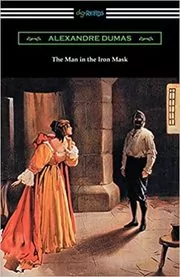
The Man in the Iron Mask
by Alexandre Dumas
1850
The musketeers confront their final, most dangerous secret: a mysterious prisoner who may be the king’s twin. Plots to replace Louis XIV, prison breaks, and last stands test their bond and ask what sacrifices loyalty truly demands.
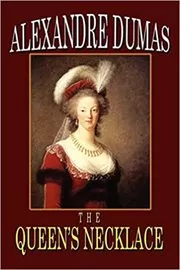
The Queen's Necklace
by Alexandre Dumas
1850
Drawing on the infamous Affair of the Diamond Necklace, Dumas shows how forged letters, a double of the queen, and a scheming adventuress ruin reputations. The scandal deepens public distrust of Marie Antoinette on the eve of revolution.

Olympe de Clèves
by Alexandre Dumas
1852
This romantic historical novel follows actress Olympe de Clèves and her lover Bannière in the reign of Louis XV. Theatre life, jealousy, gambling, and royal attention make their relationship a constant tightrope between passion and disaster.

The Countess de Charny
by Alexandre Dumas
1853
Spanning the years when the royal family moves from Versailles to Paris, this novel follows Andrée, Countess de Charny, and her husband Olivier. Their tangled loyalties bind them to Marie Antoinette as revolution, betrayal, and tragedy close in.

The Mohicans of Paris
by Alexandre Dumas
1854
Set in Restoration‑era Paris, this vast feuilleton follows artists, police spies, and political conspirators through theatres, slums, and salons. A mysterious fixer named Salvator and an implacable policeman nicknamed Jackal drive intersecting plots.
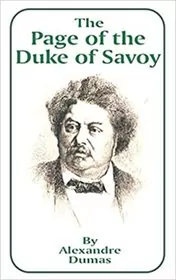
The Page of the Duke of Savoy
by Alexandre Dumas
1854
A young page in the service of Emmanuel Philibert of Savoy is drawn into wars between France and Spain. Disguises, secret missions, and a tender romance unfold as shifting alliances decide the fate of dukes and common soldiers alike.

Edmund Kean, Or, The Life Of An Actor
by Alexandre Dumas
1857
This dramatic biography turns the career of English actor Edmund Kean into a stage‑worthy story. Dumas traces Kean’s rise from poverty to fame, his volcanic performances, and the excesses that eventually wrecked both his health and reputation.
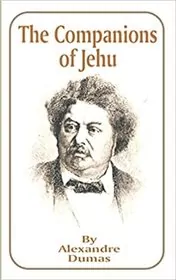
The Companions of Jehu
by Alexandre Dumas
1857
Young aristocrats turned highwaymen secretly rob government couriers to fund royalist plots during Napoleon’s rise. Dumas contrasts their chivalrous code with the ruthlessness of the new regime, mixing coach hold‑ups, swordfights, and doomed love.

The Wolf-Leader
by Alexandre Dumas
1857
Shoemaker Thibault, beaten by a gamekeeper, makes a pact with a talking wolf who grants his vengeful wishes in exchange for hairs from his head. As he gains power over wolves and neighbours, the bargain drags him toward a werewolf’s fate.

Le Caucase
by Alexandre Dumas
1858
In this French travel volume, Dumas journeys through the Caucasus, recording rugged landscapes, Cossack outposts, and mountain villages. Conversations with soldiers, nobles, and local chiefs give a lively portrait of a frontier region in flux.

The Gold Thieves
by Alexandre Dumas
1858
Based on an earlier novel but recast by Dumas, this Australian adventure has a charitable doctor, his daughters, and a band of miners targeted by a charming criminal. Gold convoys, ambushes, and a climactic kidnapping drive the action.

The Horoscope
by Alexandre Dumas
1858
A romance of the Valois era, this novel follows Count Gabriel de Montgomery, marked from birth by a sinister horoscope. As he uncovers his parentage and serves at court, prophecy, politics, and love combine to shape a dangerous destiny.

The Prince of Thieves
by Alexandre Dumas
1862
This first Robin Hood volume traces Robin’s youth, the loss of his inheritance, and his first steps into outlaw life. He meets Marian, Little John, and Friar Tuck, forging the band whose exploits fill later tales.

Robin Hood
by Alexandre Dumas
1863
Continuing Dumas’s Robin Hood cycle, this novel follows the outlaw at the height of his fame. Raids, disguises, clashes with the sheriff, and constant tests of loyalty keep Sherwood Forest lively and underline Robin’s code of rough justice.

Napoleon
by Alexandre Dumas
1865
A companion piece to Dumas’s earlier work on Napoleon, this volume revisits key campaigns and court episodes with a storyteller’s eye. It sketches generals, ministers, and family members to show how one man’s drive reshaped Europe.

The Whites and the Blues
by Alexandre Dumas
1867
Set during the revolutionary wars, this novel contrasts royalist 'whites' and republican 'blues' in brutal field battles and Paris intrigues. Young officers, journalists, and conspirators discover that ideals are costly when regimes keep changing.
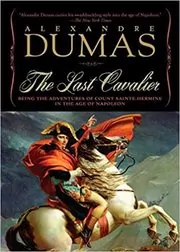
The Last Cavalier
by Alexandre Dumas
1870
Lost for over a century, this sprawling tale follows Hector de Sainte‑Hermine, a dispossessed noble forced into service under Napoleon. Sea voyages, exotic adventures, and major battles carry him from desperation toward a hard‑won, uncertain honour.

The Son of Monte-Cristo
by Alexandre Dumas
1881
Set years after Edmond Dantès’s revenge, this sequel follows his supposed son as he dons masks and titles to fight tyranny in a small European state. Secret passages, daring rescues, and political scheming echo the spirit of the original.

The Memoirs of a Physician
by Alexandre Dumas
1893
Often published as part of the Joseph Balsamo cycle, this volume blends the life of a liberal doctor with court plots under Louis XV. Secret experiments, hypnotic trances, and high‑born patients reveal how science, politics, and magic intertwine.

The Celebrated Crimes of History
by Alexandre Dumas
1895
An omnibus of Dumas’s crime narratives, this collection ranges from Renaissance Italy to revolutionary France. Each piece retells a notorious case with vivid scenes and dialogue, turning historical dossiers into gripping, fast‑moving stories.

Mary Stuart Queen of Scots
by Alexandre Dumas
1896
Dumas condenses the dramatic life of Mary, Queen of Scots, from glittering French courts to Scottish rebellions and English imprisonment. Marriages, plots, and diplomatic betrayals lead inexorably toward her execution at Fotheringhay.

The Countess of Monte Cristo
by Alexandre Dumas
1902
A young woman unexpectedly inherits great wealth and a mysterious title linked to Monte Cristo. Using her new position, she exposes hypocrisy and cruelty in fashionable society, turning the count’s name into a banner for poetic justice.

Celebrated Crimes of the Russian Court
by Alexandre Dumas
1905
Focusing on imperial Russia, this volume recounts palace scandals, assassinations, and conspiracies among tsars and courtiers. Dumas highlights how private passions, dynastic feuds, and religion fuelled some of the empire’s bloodiest episodes.
The Journal of Madame Giovanni
by Alexandre Dumas
1944
Framed as the diary of Madame Giovanni, this travel narrative follows a woman wandering through Mediterranean ports, villages, and salons. Her sharp observations on people, politics, and landscape give Dumas’s journeys an intimate, reflective voice.

Alexandre Dumas' Adventures in Spain
by Alexandre Dumas
1959
Dumas records a long trip across Spain, from bullfights and crowded inns to remote villages and historic battlefields. Anecdotes, legends, and sketches of everyone from muleteers to aristocrats make the country feel noisy, colourful, and alive.

Alexandre Dumas' Adventures in Caucasia
by Alexandre Dumas
1962
In this travel account Dumas journeys through the Caucasus, meeting soldiers, exiles, and mountain peoples. He describes perilous passes, fortress towns, and lavish feasts, blending local stories with his own hair‑raising adventures on the road.

My Memoirs
by Alexandre Dumas
1965
Dumas turns his life into a novel, recalling his mixed‑race family, boisterous youth, first theatrical successes, and later travels. The tone is expansive, boastful, and affectionate, full of backstage gossip and brushes with revolution.

The Treasure of Monte Cristo
by Alexandre Dumas
2007
This adventure circles around rumours of the Monte Cristo fortune and the men determined to claim it. Shipwrecks, impostors, and buried clues keep the chase moving from Mediterranean islands to city backstreets.

Urbain Grandier and the Devils of Loudon
by Alexandre Dumas
2009
Here Dumas retells the Loudun possessions, where nuns accused priest Urbain Grandier of witchcraft. Political rivalry, mass hysteria, and a show trial lead to his execution, raising uneasy questions about power, faith, and fabricated demons.
The Crimes of the Marquise de Brinvilliers and Others
by Alexandre Dumas
2011
Centred on Marie‑Madeleine d’Aubray, Marchioness de Brinvilliers, this narrative follows how she learned the art of poisoning and slowly destroyed her family. Linked sketches of other poison cases show a Paris obsessed with secret, fashionable murder.

The Lady of the Camellias
by Alexandre Dumas
2013
Written by Alexandre Dumas fils, this novel tells of courtesan Marguerite Gautier and her doomed love for young Armand Duval. Their attempt at a quiet, honest life collapses under debt, illness, and social judgment, inspiring later stage and opera classics.

The Wife of Monte Cristo / Monte Cristo and his wife
by Alexandre Dumas
2016
Focusing on Haydée and Edmond Dantès’s married life, this continuation shows how their past still draws enemies. Plots against them, mistaken identities, and acts of mercy test whether vengeance can truly be left behind.
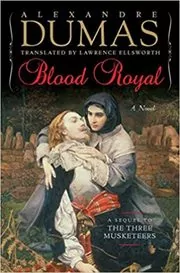
Blood Royal
by Alexandre Dumas
2020
A modern translation of the second half of *Twenty Years After*, this volume follows the musketeers to England as they try to save King Charles I. Pursued by Milady’s vengeful son Mordaunt, they confront ageing, loyalty, and the cost of failure.

Short Stories By Alexandre Dumas
by Alexandre Dumas
2020
This collection gathers several of Dumas’s shorter pieces, from romantic sketches to eerie tales and historical miniatures. Each story offers a quick hit of his trademark energy, vivid characters, and love of improbable but satisfying twists.
Where to start with Alexandre Dumas
If you want his most famous epics first: The Three Musketeers → Twenty Years After → The Vicomte de Bragelonne → The Man in the Iron Mask.
If you prefer a single, self-contained blockbuster: The Count of Monte Cristo.
For a deep dive into the French Revolution: Joseph Balsamo → The Queen's Necklace → Taking the Bastile → The Countess de Charny.
If you like shorter standalone novels: Georges → The Black Tulip → The Corsican Brothers.
If you enjoy dark true-crime history: The Borgias → The Cenci → The Marquise de Brinvilliers.
Alexandre Dumas sub-series and character series
Impressions De Voyage books in order
Explore this seriesImpressions De Voyage books in chronological order
Tales of Robin Hood books in order
Explore this seriesTales of Robin Hood books in chronological order
The Marie Antoinette Romances books in order
Explore this seriesThe Marie Antoinette Romances books in chronological order
The Sainte-Hermine Cycle books in order
Explore this seriesThe Sainte-Hermine Cycle books in chronological order
Alexandre Dumas collections, short stories, and related book types
Short Story Collections
Non-Fiction Books
Standalone Alexandre Dumas books
Author bio
Alexandre Dumas was born on July 24, 1802, in the small town of Villers-Cotterêts in northern France. His father, Thomas‑Alexandre Dumas, had risen from slavery in the Caribbean colony of Saint‑Domingue to become a general during the French Revolution, nicknamed the 'Black Devil' by enemy soldiers. When the general died, Dumas was only four, the family slipped into poverty, and his mother kept both his memory and a taste for larger‑than‑life stories very much alive.
Dumas grew up with little formal schooling and an enormous appetite for adventure. He learned what he could at local schools and in the back room of his mother’s shop, then worked as a clerk for a notary. What he really wanted, though, were plays, duels, and far‑off places, so in 1822 he left for Paris with a neat hand, a good memory, and not much money.
In Paris he found a junior post in the household of the future king Louis‑Philippe, copying documents by day and haunting the cheap seats of the theatres at night. He began writing for the stage himself and quickly caught the new Romantic wave. His historical drama Henry III and His Court in 1829 and the passionate contemporary piece Antony in 1831 made his name, filling the theatre with gasps, tears, and sold‑out crowds.
Success on the stage gave him freedom, and he poured it into prose. Newspapers were hungry for serialized fiction, and Dumas turned history into cliffhangers. Working with collaborators such as Auguste Maquet, he produced the swashbuckling musketeer cycle beginning with The Three Musketeers and the epic revenge tale The Count of Monte Cristo. Readers followed young d’Artagnan or Edmond Dantès week by week, watching them cross swords with kings, cardinals, traitors, and their own past mistakes.
Behind the theatrics, his stories return again and again to a few obsessions: loyalty between friends, corruption in high places, and what people are willing to risk for honour, love, or freedom. A novel like Georges, set on the island of Mauritius, draws directly on questions of race and colonial power that shadowed his own mixed‑race background. His villains can be monstrous, but they are rarely dull.
Dumas never stayed in one genre. Alongside the big novels he wrote travel books, cookery notes, and personal essays. His Impressions de voyage volumes follow him through Switzerland, Italy, Spain, Russia, and the Caucasus, blending local gossip, history, and tall tales. His expansive memoirs turn his life into one more adventure story, full of backstage quarrels, political uprisings, improbable escapes, and long dinners.
He loved spending money as quickly as he made it. In the 1840s he built the fanciful Château de Monte‑Cristo outside Paris, a house and writing retreat that became famous for its parties and for the stream of friends, actors, and hangers‑on who stayed there at his expense. Debts and changing fashion eventually pushed him into periods of exile in Belgium, Russia, and Italy, where he kept right on writing and sending home copy.
Dumas died on December 5, 1870, at the age of sixty‑eight. For a time critics looked down on his popular, fast‑moving stories, but readers never really stopped. New translations keep appearing, and film and television return again and again to his musketeers and his wronged sailor turned count. Open almost any Dumas novel and you meet the same energy: bold characters, quick scenes, and history rewritten so it feels like it is happening right now.
Edited by
Software engineer whose passion for tracking book recommendations from podcasts inspired the creation of MRB.
Lead investor at 3one4 Capital whose startup expertise and love for books helped shape MRB and its growth.
Comments
Did we miss something? Have feedback?
Help us improve this page by sharing your thoughts