
Alexander Fullerton Books in Order
Explore Alexander Fullerton books in order, with short summaries, series guides, and where to start with his naval thrillers and historical adventures.
Last updated:
As an Amazon Associate, we earn from qualifying purchases (at no extra cost to you).
Alexander Fullerton books in publication order
50 books
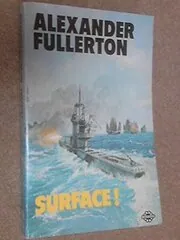
Surface!
by Alexander Fullerton
1953
Based on Fullerton's own wartime service, this follows the crew of HMS Seahound through patrols, special operations, minefields, and depth-charge attacks in the Far East. It is a close, authentic portrait of submarine life under relentless strain.

Bury the Past
by Alexander Fullerton
1954
The past refuses to stay buried in this early Fullerton thriller, where hidden history drives present danger. Guilt, memory, and old loyalties keep tightening the screws until someone has to face what was left behind.

Mantrap
by Alexander Fullerton
1961
This early thriller revolves around pursuit, entanglement, and a danger that tightens by degrees. Fullerton keeps the pace brisk as choices narrow and the trap begins to close.

The Thunder And The Flame
by Alexander Fullerton
1964
Sir Richard Grenville and the Revenge face overwhelming Spanish force in a battle that lasts fifteen brutal hours. Fullerton turns the famous fight into a taut story of pride, endurance, and hopeless odds.

Lionheart.
by Alexander Fullerton
1965
When a circus lion escapes, a young boy becomes its unexpected protector. What starts as a bold adventure turns into a story about loyalty, fear, and trying to save something wild from the adults closing in.

The Publisher
by Alexander Fullerton
1970
Set inside the world of books and business, this novel follows ambition, reputation, and quiet backroom combat. Fullerton treats publishing as its own battlefield, where success depends on timing, nerve, and judgment.

Chief Executive
by Alexander Fullerton
1971
Power at the top comes with pressure from every side in this business-set drama. Fullerton looks past the title to the personal compromises, rivalries, and hard calls that leadership demands.

Other Men's Wives
by Alexander Fullerton
1973
This domestic drama turns attraction and jealousy into a slow-burning trap. Fullerton follows tangled marriages and bad decisions to show how private betrayals can spread outward.

Store
by Alexander Fullerton
1973
A struggling London department store faces falling profits, takeover pressure, and family politics at the top. John Conant is brought in to save the business, only to find that the hardest problem is the man who built it.

Old Moke
by Alexander Fullerton
1974
This early Fullerton novel follows a tough survivor nicknamed Old Moke through danger that leaves little room for self-deception. It is compact, unsentimental, and driven by character under pressure.
Piper's Leave
by Alexander Fullerton
1974
James Allan is a piper, charmer, and born troublemaker whose gifts with music and women carry him from one scrape to the next. The novel follows his restless appetites and the chaos they leave behind.
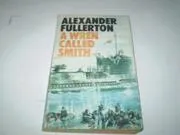
Wren Called Smith
by Alexander Fullerton
1974
Captain Christiannsen dislikes having women aboard, but Mary Lou Smith proves how wrong he is. When a ship is torpedoed and survivors are attacked, her nerve and quick thinking become a matter of life and death.

Soldier from the Sea
by Alexander Fullerton
1975
Carrying military information that could save 30,000 lives, John Farjeon must force his way through the Malayan jungle. The mission is urgent, the terrain unforgiving, and time is the enemy at every step.

The Escapists
by Alexander Fullerton
1975
Escape is the driving force here, but not everyone wants freedom for the same reason. Fullerton turns the urge to break away into a tense story of pressure, deception, and consequences.
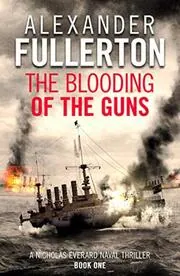
The Blooding of the Guns
by Alexander Fullerton
1976
At Jutland in 1916, young Nick Everard faces his first great test as the Royal Navy meets the German High Sea Fleet. The battle is vast, but Fullerton keeps it personal through fear, duty, and split-second decisions.
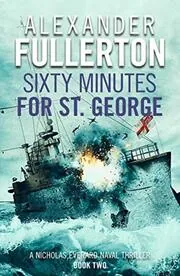
Sixty Minutes for St. George
by Alexander Fullerton
1977
After hard winter patrols in the Dover Strait, Nick Everard is pulled into the planning for the Zeebrugge Raid. The assault lasts only an hour, but Fullerton makes that hour feel enormous.

Yellow Ford
by Alexander Fullerton
1977
Ted Carpenter follows rumors of slave smuggling along the East African coast and into Central Africa. On the road he meets Jane, the former lover he never forgot, now married to a man as dangerous as the country around them.
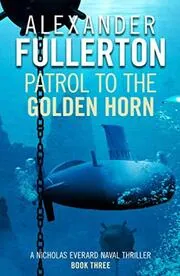
Patrol to the Golden Horn
by Alexander Fullerton
1978
Near the end of the First World War, Nick Everard is ordered on a near-suicidal submarine mission through the Dardanelles. The target is the German battlecruiser Goeben, and failure is almost easier to imagine than success.
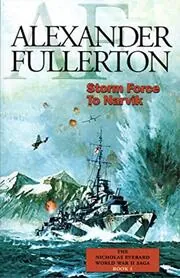
Storm Force To Narvik
by Alexander Fullerton
1979
During the German invasion of Norway, Nick Everard's destroyer is crippled under heavy fire and hidden in a fjord for repairs. As the war widens, father and son are drawn toward the same Arctic battle.

Last Lift from Crete
by Alexander Fullerton
1980
In May 1941, Nick Everard takes the destroyer Tuareg into waters ruled by Stuka bombers to evacuate troops, nurses, and a field hospital from Crete. The job is desperate, and miracle feels like the only plan left.
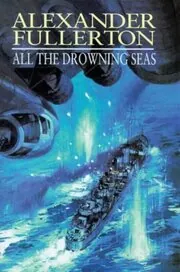
All the Drowning Seas
by Alexander Fullerton
1981
At Surabaya in 1942, Nick Everard commands the damaged cruiser Defiant in a battle he cannot win. Wounded, trapped, and responsible for a battered American destroyer as well, he has to find a way out of the Japanese net.

A Share of Honour
by Alexander Fullerton
1983
Paul Everard serves in the Mediterranean submarine Ultra, striking Axis shipping in a brutal undersea war. But the danger is not only his, as the wider Everard family is scattered across missions that could destroy them all.

Regenesis
by Alexander Fullerton
1983
A crisis opens the door to reinvention, but Fullerton is more interested in the price of starting again. Suspense grows from clashing loyalties, private ambition, and the stubborn weight of the past.

The Waiting Game
by Alexander Fullerton
1983
This early thriller is built on patience, secrecy, and the danger of moving too soon. As motives stay hidden and pressure mounts, waiting becomes as risky as action.
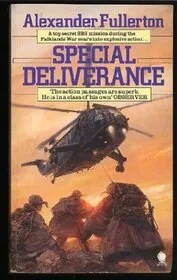
Special Deliverance
by Alexander Fullerton
1987
During the Falklands War, a small SBS team heads into the South Atlantic to sabotage Argentina's Exocet missiles. Their Anglo-Argentine guide has private motives of his own, and failure could change the whole campaign.

Special Dynamic
by Alexander Fullerton
1988
Former SBS captain Ollie Lyle joins a civilian expedition into Norwegian Lapland, where murder and unrest point to something larger. Soon he is facing a covert Russian operation and a fight for survival in brutal Arctic country.

Johnson's Bird
by Alexander Fullerton
1989
Set around a Mediterranean kidnapping, this thriller mixes sea-going action with covert maneuvering and uneasy alliances. Fullerton keeps the pressure on as the rescue effort runs into danger, deception, and hard choices.

Special Deception
by Alexander Fullerton
1989
A washed-up former soldier gets one last chance when a secret SBS mission sends him into Syria. What begins as redemption quickly turns into a political minefield with the power to ignite something much larger.

Bloody Sunset
by Alexander Fullerton
1991
After the Russian Revolution, Royal Navy officer Bob Cowan must bring out five women, including two of the Tsar's daughters, from Bolshevik territory near Astrakhan. The rescue could be a trap, and escape looks harder still.

Look To The Wolves
by Alexander Fullerton
1993
In 1919, Russian speaker Bob Cowan is sent into the Black Sea war zone to rescue two British girls serving as nurses with the White Army. Defeat is closing in, but the mission only grows more dangerous as he pushes deeper into the snow.

Love for an Enemy
by Alexander Fullerton
1993
In 1941 Alexandria, a British submarine commander falls for a half-Italian woman just as enemy frogmen threaten the harbor. Romance, espionage, and naval warfare collide in a city that may soon change sides.
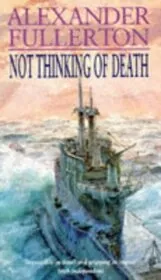
Not Thinking of Death
by Alexander Fullerton
1994
During prewar trials for a new British submarine, observer Rufus Chalk sees small faults that may add up to catastrophe. Fullerton turns the approach to disaster into a tense, claustrophobic study of men trapped by faith in machinery.

Into the Fire
by Alexander Fullerton
1995
SOE radio operator Rosie Ewing lands on the Brittany coast in 1943 and must reach occupied Rouen with forged papers, money, and a transmitter. The old network has already been destroyed, and betrayal may still be at work.

Band of Brothers
by Alexander Fullerton
1996
In autumn 1943, Allied torpedo boats move to intercept a heavily guarded German U-boat supply ship. Navigator Ben Quarry is distracted by Rosie and messy loyalties ashore, until battle strips everything down to survival.

Return to the Field
by Alexander Fullerton
1997
In spring 1944, Rosie Ewing parachutes back into occupied Brittany carrying a radio, cash, and cyanide. With D-Day coming and a possible traitor waiting below, every contact could be the wrong one.
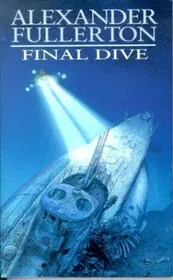
FINAL DIVE
by Alexander Fullerton
1998
A lost Atlantic cargo of gold and atomic secrets draws multiple crews into a perilous race to the seabed. Getting down is only the start, because the real danger begins when it is time to come back up.

In at the Kill
by Alexander Fullerton
1999
Rosie Ewing is believed dead after a Gestapo escape attempt, but she survives in hiding in Alsace. Now she wants the SOE traitor who sold agents out, and this time the mission is deeply personal.

Floating Madhouse
by Alexander Fullerton
2000
In 1904, Michael Henderson joins the Tsar's chaotic Baltic fleet as it heads toward Tsushima. Torn from a dangerous love affair, he must survive incompetence, long-distance blundering, and one of history's great naval disasters.
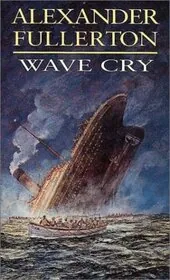
Wave Cry
by Alexander Fullerton
2000
After the Titanic collision, Eileen Maguire survives while her husband and child do not. Broken by grief, she fixes on White Star director Bruce Ismay and turns survival into a dark, obsessive hunt for revenge.

Single to Paris
by Alexander Fullerton
2001
When two agents are arrested in Paris in 1945, Rosie Ewing is sent in alone to find the woman who may lead her to them. Resistance factions, pro-Nazi groups, and near-total uncertainty make the job brutally hard.
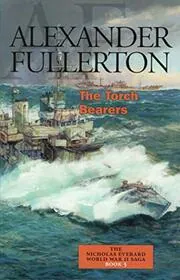
The Torch Bearers
by Alexander Fullerton
2001
Nick Everard escorts a slow, vulnerable convoy in autumn 1942 with only a thin screen of protection around it. What the waiting U-boats do not know is that the convoy itself is bait in a much larger Allied plan.
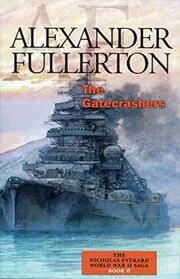
The Gatecrashers
by Alexander Fullerton
2002
Mini-submarines head for Norway on a near-impossible mission to cripple the Tirpitz and other German warships. Commander Paul Everard faces the operation itself, while his father Nick knows failure could doom the convoys behind him.
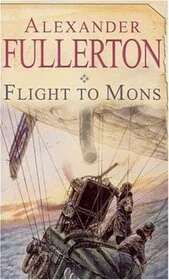
Flight to Mons
by Alexander Fullerton
2003
Charlie Holt is ordered to fly a newly built airship into wartime France and bring out a woman carrying intelligence that could save millions. To succeed, he must also protect her invalid mother and finish the mission after everything goes wrong.
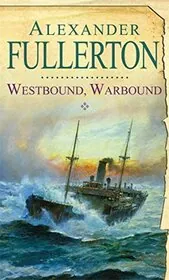
Westbound, Warbound
by Alexander Fullerton
2003
Third mate Andy Holt is serving on the cargo ship PollyAnna as war closes over Atlantic trade routes and the Graf Spee stalks British shipping. When prisoners appear in Montevideo, Holt and his shipmates are pushed toward a desperate rescue.

Stark Realities
by Alexander Fullerton
2005
As Germany sues for peace in 1918, a damaged U-boat carries Otto von Mettendorff home toward Wilhelmshaven. In London, Anne Laurie hears of his fate and remembers a prewar encounter that war has turned into tragedy.
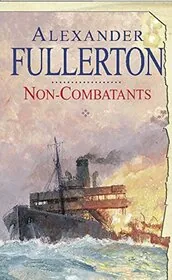
Non-Combatants
by Alexander Fullerton
2006
In summer 1940, merchant officer Andy Holt sails to Cuba aboard the SS Barranquilla, knowing the real danger lies on the loaded trip home. U-boats, bad odds, and his need to reach Julia before their child is born make every mile matter.

Staying Alive
by Alexander Fullerton
2006
In late 1942, Rosie Ewing joins an SOE group sent into Vichy France to pull a crucial German out of enemy hands. The mission is risky from the start, and betrayal may be waiting inside the network itself.
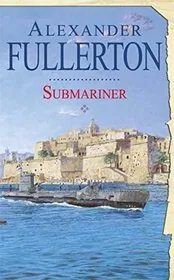
Submariner
by Alexander Fullerton
2008
Lieutenant Mike Nicholson commands the submarine Ursa in the Mediterranean, hunting Axis supply ships bound for Rommel. Success brings promotion within reach, but only if he can survive combat and keep clear of trouble ashore.
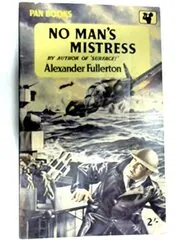
No Man's Mistress
by Alexander Fullerton
2020
An early Fullerton drama about desire, pride, and the damage possession can do. As a relationship turns into a contest of wills, private feeling becomes a dangerous kind of battlefield.

The White Men Sang
by Alexander Fullerton
2020
Based on the Shangani Patrol, this novel follows a doomed band of Rhodesian volunteers on their final stand. Fullerton keeps the focus on courage, confusion, and the terrible cost of fighting on when rescue will not come.
Where to start with Alexander Fullerton
If you want classic submarine action: Surface! → Not Thinking of Death → Submariner
If you want a big naval saga: The Blooding of the Guns → Sixty Minutes for St. George → Patrol to the Golden Horn
If you prefer wartime espionage: Into the Fire → Return to the Field → In at the Kill → Single to Paris
If you want modern special operations thrillers: Special Deliverance → Special Dynamic → Special Deception
If you want merchant-ship danger instead of front-line warships: Westbound, Warbound → Non-Combatants
Alexander Fullerton sub-series and character series
Andy Holt Naval Thrillers books in order
Explore this seriesAndy Holt Naval Thrillers books in chronological order
Nicholas Everard Saga books in order
Explore this seriesNicholas Everard Saga books in chronological order
Standalone Alexander Fullerton books
Author bio
Alexander Fullerton was born in Suffolk in 1924 and spent much of his childhood in France. That mix of British naval tradition and continental experience stayed with him, and it helps explain why so many of his books move easily between warships, foreign ports, occupied cities, and people caught in the machinery of history.
He entered the Royal Naval College, Dartmouth, at thirteen and trained there from 1938 to 1941. Then training gave way to war. He served first in the battleship Queen Elizabeth in the Mediterranean, and much of the rest of the conflict found him in submarines, where the work was tighter, more technical, and much less forgiving.
War gave him his subject early.
By 1944-1945 he was gunnery and torpedo officer on HM Submarine Seadog in the Far East, and he was mentioned in dispatches for distinguished service. After the war he also served in Germany as the Royal Navy's liaison with the Red Army, and he became a fluent Russian speaker. Those experiences widened his range, and you can feel it later in books that move from the North Sea to Russia, the Mediterranean, and occupied France.
His first novel, Surface!, appeared in 1953 and drew directly on his submarine service. He is said to have written it on the backs of old cargo manifests, which feels exactly right for a writer who never lost his taste for practical detail. The book took off fast, going through five reprints in six weeks and selling more than half a million copies.
From there he kept building, steadily and without much fuss. Many readers know him best for the Nicholas Everard novels, beginning with The Blooding of the Guns, where he follows naval war from the First World War into the Second through one family. Readers come for the battles, but they tend to stay for the pressure of command, the small decisions that keep ships alive, and the sense that these vessels are run by tired, capable, frightened human beings rather than cardboard heroes.
He could shift gears when he wanted to. Into the Fire and the other Rosie Ewing novels move into the dangerous daily work of an SOE agent in occupied France. Special Deliverance heads into covert operations during the Falklands War. Love for an Enemy mixes naval action with divided loyalties in wartime Alexandria. And Submariner, his final novel, returns to the underwater war he knew from the inside.
He rarely wrote war as clean adventure.
Again and again, his fiction comes back to a few things: professionals under pressure, equipment that can fail at the worst moment, loyalty tested by fear, and the long reach of war into private relationships. Even when the setting changes, from a convoy route to a resistance network or a political crisis far from home, the emotional logic stays steady. People do the job in front of them, and then live with the cost.
Fullerton was able to live on his writing by 1967, and he kept at it for more than fifty years. His books were translated widely, and for a long time he was one of those authors readers kept discovering in libraries and then passing on to friends. His fiftieth novel, Submariner, was published in 2008, the year he died. It was a fitting last note, because after all the detours into spies, special operations, and historical set pieces, he ended close to the submarine service that first gave him stories worth telling.


Edited by
Software engineer whose passion for tracking book recommendations from podcasts inspired the creation of MRB.
Lead investor at 3one4 Capital whose startup expertise and love for books helped shape MRB and its growth.
Comments
Did we miss something? Have feedback?
Help us improve this page by sharing your thoughts