
Alex Kershaw Books in Order
Browse Alex Kershaw books in order, with quick summaries, starting points, and background on his World War II histories, biographies, and true stories.
Last updated:
As an Amazon Associate, we earn from qualifying purchases (at no extra cost to you).
Alex Kershaw books in publication order
13 books
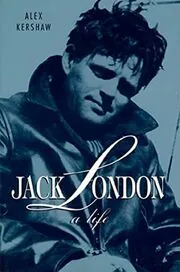
Jack London
by Alex Kershaw
1997
Kershaw looks past the legend to the rough, fast-moving life behind Jack London's books, from poverty and hard labor to adventure, fame, and early death. It is a vivid portrait of a writer who lived almost too hard for his own stories.
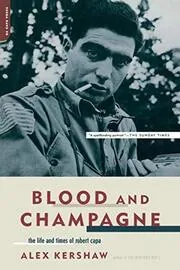
Blood and Champagne
by Alex Kershaw
2004
This biography follows Robert Capa from his youth as Andre Friedmann to his rise as the century's most famous combat photographer. Kershaw captures the risk, glamour, friendships, and restlessness behind the images.
The Bedford Boys
by Alex Kershaw
2004
Kershaw tells the story of Bedford, Virginia, where nineteen young men died in the first bloody minutes of D-Day and three more were later lost in Normandy. The book keeps one small town, and the families behind it, at the center.
The Longest Winter
by Alex Kershaw
2004
On the first day of the Battle of the Bulge, Lieutenant Lyle Bouck Jr. and eighteen men are ordered to hold off a massive German assault. The fighting is fierce, and the prisoners' ordeal afterward is even worse.
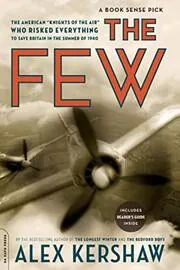
The Few
by Alex Kershaw
2006
This book follows eight young Americans who broke neutrality rules to fly with the Royal Air Force in 1940. Their story captures the danger, speed, and nerve of the Battle of Britain before the United States entered the war.
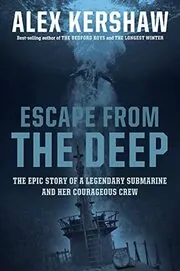
Escape from the Deep
by Alex Kershaw
2008
When the submarine USS Tang is destroyed by one of its own torpedoes, a handful of crewmen make a desperate escape from the wreck. Survival above the surface is only the start, because Japanese captivity is waiting.
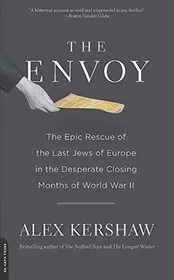
The Envoy / To Save a People
by Alex Kershaw
2009
Kershaw tells the story of Raoul Wallenberg, the Swedish diplomat who raced through collapsing wartime Budapest trying to save Hungary's remaining Jews. It is a tense rescue story set against some of the war's darkest final months.
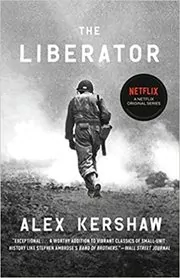
The Liberator
by Alex Kershaw
2012
This book follows U.S. Army officer Felix Sparks and the 45th Infantry Division through four invasions, brutal fighting across Europe, and the liberation of Dachau. It is a close, unsparing portrait of leadership, exhaustion, and survival.
Avenue of Spies
by Alex Kershaw
2015
In occupied Paris, American doctor Sumner Jackson, his wife, and their son are drawn into resistance work from their home on Avenue Foch. The result is part espionage story, part family survival story, with the Gestapo just down the street.
The General
by Alex Kershaw
2017
This short biography traces William Levine from young Jewish intelligence officer on D-Day and at Dachau to major general in the Army Reserve. It also looks at the wartime memories he kept quiet for decades.
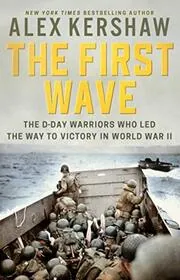
The First Wave
by Alex Kershaw
2019
A fast-moving D-Day account built around the men who went in first, from pathfinders and glider pilots to Rangers and commandos. Kershaw shows how a handful of dangerous early missions helped decide the invasion.
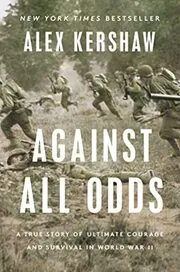
Against All Odds
by Alex Kershaw
2022
Kershaw tracks Maurice Britt, Michael Daly, Keith Ware, and Audie Murphy through more than six hundred days of war, from North Africa to Nazi Germany. The focus is combat heroism, but also the heavy cost of earning it.
Patton's Prayer
by Alex Kershaw
2024
Set in the winter of 1944, this book centers on George Patton, his famous weather prayer, and the drive to relieve Bastogne during the Battle of the Bulge. Kershaw uses that moment to explore command, faith, and battlefield luck.
Where to start with Alex Kershaw
If you want his biggest combat story: The Liberator → Against All Odds → Patton's Prayer
If you want to start with D-Day: The Bedford Boys → The First Wave
If you prefer resistance and rescue: Avenue of Spies → The Envoy / To Save a People
If you want earlier biographical work: Jack London → Blood and Champagne
Alex Kershaw collections, short stories, and related book types
Non-Fiction

by Alex Kershaw
2004The Battle of the Bulge and the Epic Story of World War II's Most Decorated Platoon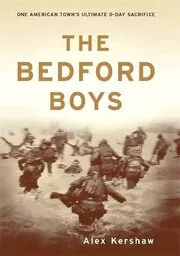
by Alex Kershaw
2012One World War II Soldier's 500-Day Odyssey from the Beaches of Sicily to the Gates of Dachau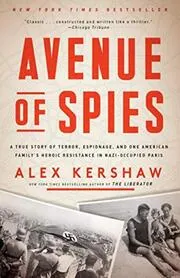
by Alex Kershaw
2015A True Story of Terror, Espionage, and One American Family's Heroic Resistance in Nazi-Occupied Paris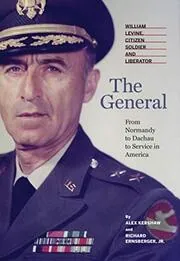

Author bio
Alex Kershaw was born in York, England, in 1966 and was raised in England. He studied politics, philosophy, and economics at Oxford, then taught history before moving into journalism. For years he wrote reported pieces for British newspapers, building the habits that still shape his books: digging, interviewing, and noticing the telling detail.
He came to history writing through reporting, not from a university seminar room.
Kershaw moved to the United States in 1994, and that shift matters to his work. He has often written about the war in Europe from an American point of view, with the eye of someone who knows the landscape but is still curious about the people who crossed it. He also spent time writing screenplays, and he has said that experience helped him think in scenes, pace, and strong openings.
His first books were biographies, not battlefield epics. Jack London looks at the restless, rough-edged life behind the famous novels, while Blood and Champagne follows war photographer Robert Capa from Budapest to the front lines of the twentieth century. Those books already show what Kershaw does well: he likes large lives, hard choices, and people who keep moving even when the world around them is falling apart.
Then he found Bedford, Virginia.
While working on Blood and Champagne, he came across the story of the small town that lost so many sons on D-Day. That discovery led to The Bedford Boys, and from there he built a body of World War II books that stays close to the ground. Readers often start with The Longest Winter, about Lyle Bouck Jr. and his platoon in the Ardennes, or The Liberator, which follows Felix Sparks from Sicily to Dachau. Others come in through The Few, about American pilots who joined the RAF, Avenue of Spies, set in occupied Paris, or The First Wave, his portrait of the men who carried out D-Day's earliest and most dangerous missions.
He likes small groups under pressure.
There is a moral thread running through these books. In The Envoy, he follows Raoul Wallenberg in Budapest; in Avenue of Spies, he writes about an American family resisting the Nazis in Paris; in Against All Odds, he stays with decorated soldiers long enough to show that medals do not end the story. Courage matters in Kershaw's work, but so do cost, memory, and aftermath.
Again and again, Kershaw returns to teams, platoons, crews, families, and improvised alliances. He is less interested in high command than in what war feels like to the people inside it, the cold, confusion, fear, stubbornness, and loyalty. In interviews, he has said that he cares most about how history changes ordinary lives, and that comes through in books like Escape from the Deep, about the doomed submarine Tang, and Patton's Prayer, which uses a famous wartime prayer to open up a larger story about weather, faith, command, and the Battle of the Bulge.
Today Kershaw lives in Washington, D.C. He gives talks, leads battlefield tours, serves as resident historian for Friends of the National WWII Memorial, and chairs the Colby Award selection committee. The Liberator was adapted for Netflix, and Blood and Champagne has also moved toward the screen. Through all of it, his lane has stayed pretty consistent: true stories about courage, survival, and the people who had to keep going when the odds were bad.





Edited by
Software engineer whose passion for tracking book recommendations from podcasts inspired the creation of MRB.
Lead investor at 3one4 Capital whose startup expertise and love for books helped shape MRB and its growth.
Comments
Did we miss something? Have feedback?
Help us improve this page by sharing your thoughts