
Alan LeMay Books in Order
Explore Alan LeMay books in order, with concise summaries, practical where-to-start guidance, and background on the novelist and screenwriter behind them.
Last updated:
As an Amazon Associate, we earn from qualifying purchases (at no extra cost to you).
Alan LeMay books in publication order
22 books
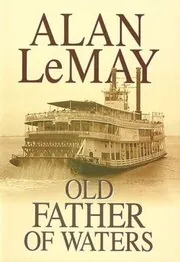
Old Father Of Waters
by Alan LeMay
1928
In 1858, Mississippi steamboat captain Arnold Huston faces duels, fires, floods, and rivalry on the river. When two steamers race for a huge prize, he vows that neither danger nor competition will beat him.
Thunder In The Dust
by Alan LeMay
1936
Baja California rancher Tom Cloud hires the adventurer El Fuerte to stop cattle rustlers, only to uncover a much larger threat. A murder and a brewing rebellion leave Cloud risking his ranch and the woman he loves.
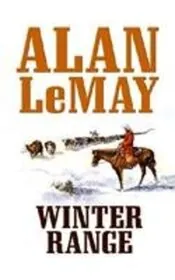
Winter Range
by Alan LeMay
1938
After powerful cattleman John Mason is killed, the struggling spreads around Wolf Bench prepare for war. Low beef prices, disputed boundaries, and old resentments make every rider a possible enemy.

Useless Cowboy
by Alan LeMay
1944
Wandering cowboy Melody Jones is mistaken for the outlaw Monte Jarrad and becomes a target for the law. He keeps up the dangerous impersonation for Cherry, Monte's girlfriend, until the real outlaw forces a showdown.
Hell For Breakfast
by Alan LeMay
1947
This short Western puts its characters under pressure from the start, mixing a rough frontier setting with dry humor and fast-moving danger. It is a brisk example of LeMay's magazine-era storytelling.
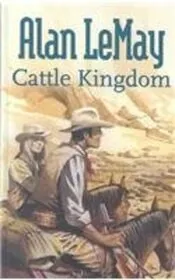
Cattle Kingdom
by Alan LeMay
1948
Billy Wheeler comes to the Brand 94 ranch after a murder and finds its owner surrounded by enemies. To solve the crime and protect the woman he loves, he must face treachery, vengeance, and a hard country.
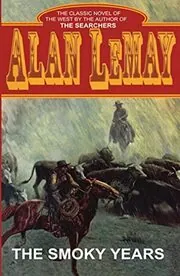
The Smoky Years
by Alan LeMay
1948
Cattlemen Dusty King and Lew Gordon join forces when newcomers threaten their grazing land. As the range war grows, Bill Roper's apparent turn to outlawry complicates a fight over loyalty, land, and revenge.
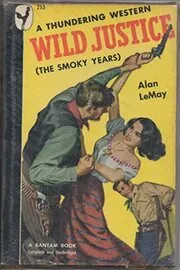
Wild Justice
by Alan LeMay
1948
When conflict over grazing land spills into open violence, men who once trusted one another must choose sides. This Western treats the range as both livelihood and battleground, where old scores can turn deadly.
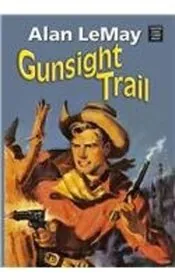
Gunsight Trail
by Alan LeMay
1949
The Lazy M Ranch is under siege as a long feud over Buckhorn Valley turns violent. Clay Hughes rides for help through gunfire, knowing the ranch's defenders may not survive if he fails.
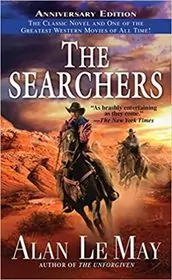
The Searchers
by Alan LeMay
1954
After a Comanche raid destroys the Edwards home and carries off young Debbie, Amos Edwards and adopted nephew Martin Pauley begin a search that lasts for years. It is a hard frontier journey shaped by grief and determination.

Painted Ponies
by Alan LeMay
1956
After killing Lew Cade in self-defense, Ben Morgan is hounded by Cade's vengeful brother and a vigilante posse. His flight brings him back toward Roaring River and a reckoning he cannot outrun.

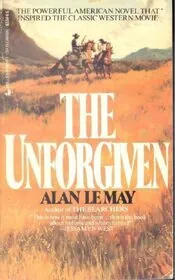
The Unforgiven
by Alan LeMay
1957
On the Texas Panhandle frontier, the Zacharys face renewed danger when questions about adopted Rachel's Kiowa birth turn neighbors and old enemies against them. A family Western driven by fear, loyalty, and survival.
Unforgiven
by Alan LeMay
1957
On the Texas Panhandle frontier, the Zacharys face renewed danger when questions about adopted Rachel's Kiowa birth turn neighbors and old enemies against them. A family Western driven by fear, loyalty, and survival.

By Dim And Flaring Lamps
by Alan LeMay
1962
Missouri mule drover Shep Daniels is drawn into a blood feud after meeting Julie. With Roger Ashland, the man tied to his father's death, closing in, Shep must decide whether vengeance will rule his life.
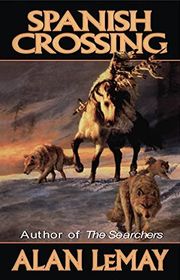
Spanish Crossing
by Alan LeMay
1998
This collection gathers fourteen Alan LeMay Western stories, including “The Wolf Hunter” and the title tale. Expect riders, horses, chance encounters, and frontier problems handled with the swift pace of magazine fiction.

The Wolf Hunter
by Alan LeMay
1999
A hunter faces a demon coyote that is too swift to shoot and too clever to poison. This compact Western tale turns a pursuit through dangerous country into a tense fight for survival.

The Bold West, Volume 24
by Alan LeMay
2000
An anthology of classic Western short fiction, including a contribution from Alan LeMay and stories by Will C. Brown and T. T. Flynn. It offers frontier danger, tough choices, and open-country life in compact form.
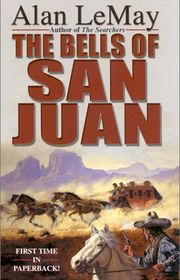
The Bells Of San Juan
by Alan LeMay
2001
A collection of twelve Western stories, from lawmen and trail drivers to gunfighters and ranch hands. These concise tales show LeMay working in the quick, lively form that first made him a regular magazine writer.
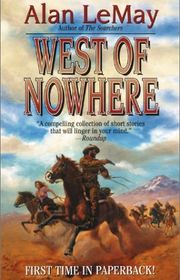
West of Nowhere
by Alan LeMay
2002
Thirteen Western stories bring together killers, mules, storms, gunfights, and people looking for a second chance. The collection offers a broad sample of LeMay's early pulp-era range fiction.
Pelican Coast
by Alan LeMay
2004
A historical novel set around old New Orleans and the Mississippi River, where river people, commerce, and the pull of the water shape human choices. LeMay moves away from the range for a vivid early adventure.
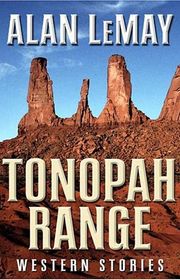
Tonopah Range
by Alan LeMay
2006
Six Western stories set amid lonely country and sudden danger, including the title story, “Blood Moon,” and “Dead Man's Ambush.” It is a compact collection of LeMay's sharp, action-focused frontier fiction.
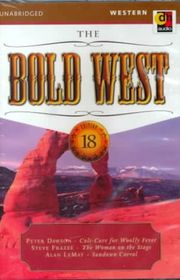
The Bold West
by Alan LeMay
2009
An anthology of classic Western short fiction, including a contribution from Alan LeMay and stories by Will C. Brown and T. T. Flynn. It offers frontier danger, tough choices, and open-country life in compact form.
Where to start with Alan LeMay
For a sweeping frontier quest: The Searchers
For a family story under pressure: The Unforgiven
For range wars and ranch politics: Winter Range → Gunsight Trail
For early LeMay beyond the West: Old Father of Waters → Pelican Coast
Alan LeMay collections, short stories, and related book types
Chapbooks
Collections
Standalone Alan LeMay books
Author bio
Alan LeMay was born in Indianapolis, Indiana, on June 3, 1899. His father taught public school, and LeMay spent his early years in a household that included his parents, sister, uncle, and grandparents. As a teenager, he moved with his family to Aurora, Illinois.
He was restless early on. LeMay attended Stetson University in Florida in 1916, enlisted during World War I, and was commissioned as a second lieutenant in the U.S. Army. Afterward, he studied at the University of Chicago, earning a Bachelor of Philosophy degree in 1922. He also served in the Illinois National Guard and became a first lieutenant in field artillery.
Writing was not his first steady paycheck.
After marrying Esther Skinner in 1922, LeMay worked at a factory operating a sewing machine, then found work as a reporter for the Aurora Beacon News. At the same time, he kept writing fiction and selling stories to adventure magazines. That mix of newspaper discipline and magazine storytelling helped shape his direct, forward-moving style.
His first novel, Painted Ponies, appeared in 1927. Set among the Cheyenne and U.S. Cavalry horse soldiers, it pointed toward the frontier material that would become his main territory. But LeMay also looked beyond the West. He and his family moved to New Orleans so he could research the Mississippi River world behind Old Father of Waters and Pelican Coast.
He paid attention to the places he wrote about.
By the late 1920s, LeMay had moved to San Diego and focused more fully on Westerns. He wrote short fiction for magazines including Collier's, rode horses, leased land in Mission Valley, and worked with a rodeo rider in a horse-raising venture. The work shows up in his stories, which tend to care about the practical details of a saddle, a ranch, a riverboat, or a long ride as much as the showdown at the end.
His novels often put ordinary people under sharp pressure. In Winter Range and Gunsight Trail, cattle country becomes a place of feuds, money trouble, disputed water, and uneasy alliances. Useless Cowboy takes a lighter turn, following a drifter mistaken for a feared outlaw. LeMay could write action, but he also liked the awkwardness of loyalty, family ties, and people discovering they have backed the wrong person.
Hollywood became another major part of his working life. Beginning in 1940, he wrote or co-wrote screenplays for films including North West Mounted Police, Reap the Wild Wind, The Story of Dr. Wassell, and Blackbeard the Pirate. He also wrote and directed the 1950 Western High Lonesome. His novel Useless Cowboy was adapted as Along Came Jones.
Two later novels brought his work to an even wider audience. The Searchers follows a years-long hunt for a girl taken in a frontier raid, while The Unforgiven centers on a Texas family shaken by questions about the background of its adopted daughter. Both became major films, though the books have their own characters, structure, and harder edges.
LeMay died in Hollywood, California, on April 27, 1964. He left behind Westerns that are lean, alert to landscape, and full of people trying to hold on to land, family, or a little dignity when the odds are bad.










Edited by
Software engineer whose passion for tracking book recommendations from podcasts inspired the creation of MRB.
Lead investor at 3one4 Capital whose startup expertise and love for books helped shape MRB and its growth.
Comments
Did we miss something? Have feedback?
Help us improve this page by sharing your thoughts