
Adam Sternbergh Books in Order
Explore Adam Sternbergh's books in order, from Spademan to his standalone thrillers, with quick summaries, series notes, and where to start.
Last updated:
As an Amazon Associate, we earn from qualifying purchases (at no extra cost to you).
Adam Sternbergh books in publication order
4 books
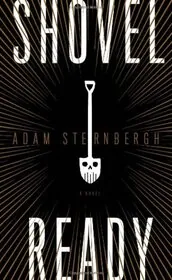
Shovel Ready
by Adam Sternbergh
2014
After a dirty bomb devastates New York, former garbageman Spademan makes a living as a hitman. His rules crack when he is hired to kill an evangelist's daughter, and the job opens into something uglier and far more personal.
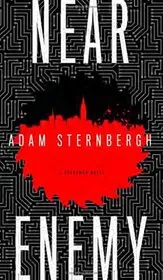
Near Enemy
by Adam Sternbergh
2015
In bomb-scarred New York, hitman Spademan is hired to kill Jonathan Lesser, a scavenger of virtual fantasies. Then Lesser claims terrorists are planning another attack, pulling Spademan into a paranoid hunt where nobody feels safe.
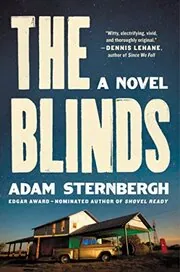
The Blinds
by Adam Sternbergh
2017
In Caesura, Texas, former criminals and witnesses live with erased memories and no way out. When a suicide and a murder shake the town, Sheriff Calvin Cooper faces unrest, buried secrets, and dangerous outsiders.

The Eden Test
by Adam Sternbergh
2023
Craig and Daisy head to a remote upstate cabin for a week-long marriage retreat built around seven escalating questions. What starts as relationship repair turns into a tense psychological game, as each spouse's secrets make the woods feel less and less safe.
Where to start with Adam Sternbergh
If you want his future-noir series first: Shovel Ready → Near Enemy
If you prefer a strange, self-contained mystery: The Blinds
If you want tense relationship suspense: The Eden Test
Adam Sternbergh sub-series and character series
Standalone Adam Sternbergh books
Author bio
Adam Sternbergh grew up in Toronto, in a world of comics, fiction, plays, and magazines. Long before he published novels, he was the kind of reader who moved from Judy Blume and Gordon Korman to comic books, then on to novels and theater, and he has said that for a long time he thought being a writer meant writing fiction, plays, or movies.
Journalism came later.
He worked on his school paper, but he did not really start thinking seriously about nonfiction until his late teens and twenties. In college he read history and cultural criticism with real excitement, and he also spent time in theater. In the 1990s he was part of a Toronto sketch-comedy group called Joke Boy, and he has joked that he was not much of an actor even though he turned up here and there on Canadian television.
After college, Sternbergh wrote for magazines in Canada and then got a chance to apply for a job at New York magazine. He took it fast, moved to New York, and built a career as both an editor and a writer. Over the years his work has appeared in New York, The New York Times, GQ, The Independent on Sunday, and The Walrus, and his essays have also been collected in several anthologies. He later worked at both New York magazine and The New York Times Magazine, and he is now a culture editor for Opinion at The New York Times.
Fiction, though, kept tugging at him.
He has spoken pretty openly about how long that road was. He wrote plays. He wrote fiction on the side. He spent years working on novels that never became books, and he did not start the novel that would finally break through until he was over 40. That first published novel, Shovel Ready, arrived in 2014 and made a strong first impression: a wrecked near-future New York, a former garbageman turned hitman called Spademan, and a voice that is clipped, dark, funny, and sad all at once. The book was nominated for an Edgar Award for Best First Novel, and it also showed how his journalism background could feed the fiction. He has said that years of reporting on New York, and the city's swing from rough-edged chaos to luxury-brand spectacle, helped spark the world of the novel.
He returned to that world in Near Enemy, which pushes Spademan deeper into a city shaped by class division, violence, and virtual escape. Then Sternbergh changed lanes without losing his taste for pressure-cooker stories. The Blinds heads to a strange Texas town filled with people whose memories have been erased, while The Eden Test traps a married couple in an upstate retreat built around seven escalating questions. Readers who like Sternbergh usually respond to the same things across all of these books: tight pacing, moral gray zones, sharp dialogue, and characters who are trying to hold themselves together while the world tilts.
His settings change, but some obsessions keep returning. He likes damaged people, sealed environments, hidden motives, and the uneasy line between performance and truth. He has also said he is drawn to claustrophobic stories, which helps explain why his novels so often place people in cities under siege, isolated towns, or relationships that feel like locked rooms. Even when the premise sounds wild, the emotional machinery is usually pretty familiar: guilt, survival, self-invention, and the question of how much a person can really change.
These days he lives in Brooklyn with his family. His wife, Julia May Jonas, is a novelist and playwright, and Sternbergh has described a life that still sits close to theater as well as books. That mix of magazine discipline and novelistic mischief feels central to his work. His books are smart, but they move. Even when the setup gets strange, the human trouble is always easy to recognize.
Edited by
Software engineer whose passion for tracking book recommendations from podcasts inspired the creation of MRB.
Lead investor at 3one4 Capital whose startup expertise and love for books helped shape MRB and its growth.
Comments
Did we miss something? Have feedback?
Help us improve this page by sharing your thoughts