
Aberrant (Carl Bowen) Books in Order
Part ofCarl Bowen Books in OrderExplore the Aberrant books by Carl Bowen in order, with quick summaries, setting background, and help choosing where to start with these nova stories.
Last updated:
As an Amazon Associate, we earn from qualifying purchases (at no extra cost to you).
Aberrant (Carl Bowen) books in publication order
2 books
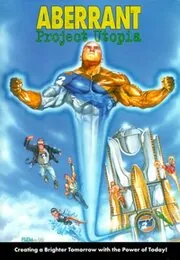
Project Utopia
by Carl Bowen
1999
This Aberrant sourcebook explores the world's most powerful nova organization, from its heroic public face to its darker edges. Team Tomorrow, Project Proteus, and the politics of superhuman power all come into view.
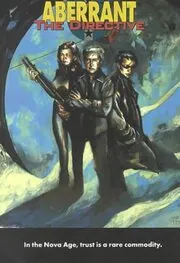
The Directive
by Carl Bowen
2000
This Aberrant tie-in digs into the secret intelligence group that watches, studies, and manipulates superpowered novas. It is less about capes and battles, more about surveillance, leverage, and hidden agendas.
Aberrant (Carl Bowen) books in chronological order
Series background & context
The Aberrant books tied to Carl Bowen are less about one caped hero than about a whole society learning how to live with superhuman power. In this setting, novas have appeared, people whose abilities can reshape physics, politics, war, and celebrity culture all at once. The world is fascinated by them, afraid of them, and eager to control them.
That mix gives the series its edge.
At first glance, Aberrant can look like a superhero universe. There are powerful figures, public-facing organizations, and big questions about what gifted people owe the rest of the world. But the mood is sharper and more suspicious than standard hero fiction. Bowen's books, especially Project Utopia and The Directive, focus on the institutions built around novas, and on what those institutions hide.
Project Utopia deals with the most visible of those institutions. Publicly, it presents itself as a force for peace, rescue, and progress, the group with the resources and famous novas to save lives on a global scale. That public image matters because the setting is deeply interested in branding. Who gets to be seen as a hero. Who controls the narrative. Who decides whether a nova is a savior, a weapon, or a public relations disaster.
Then there is The Directive, which moves the focus toward surveillance and intelligence. If Project Utopia is the face, The Directive is the watchful eye in the background. It is the sort of organization that assumes superpowered people cannot simply be admired, they must also be tracked, studied, nudged, and sometimes contained. Once you put those two books side by side, the shape of the setting becomes clear. The real story is not just power. It is power inside systems of management.
That is why Aberrant often feels more political than personal. The setting cares about governments, covert programs, internal factions, and the uneasy relationship between idealism and control. Even the brightest institutions cast shadows. A rescue organization may have a darker research arm. A security service may claim it exists for the common good while quietly overreaching in every direction.
For readers, this means the ongoing tension is not simply whether novas can win a fight. It is whether society can survive the way novas change everything around them. Old hierarchies do not disappear. They adapt. Some groups want to elevate novas. Some want to regulate them. Some want to weaponize them. Almost no one is neutral.
So if you come to Bowen's Aberrant work, expect a near-future world where superhuman gifts are tangled up with bureaucracy, secrecy, and competing visions of the future. The books are tie-ins, but they are useful even on their own because they show what makes the setting tick. This is superhero fiction with a dossier in one hand and a political headache in the other.









Edited by
Software engineer whose passion for tracking book recommendations from podcasts inspired the creation of MRB.
Lead investor at 3one4 Capital whose startup expertise and love for books helped shape MRB and its growth.
Comments
Did we miss something? Have feedback?
Help us improve this page by sharing your thoughts