
A Prison Diary Books in Order
Part ofJeffrey Archer Books in OrderThis page lists A Prison Diary by Jeffrey Archer in order, with brief summaries, background on his time inside, and a simple place to begin.
Last updated:
As an Amazon Associate, we earn from qualifying purchases (at no extra cost to you).
A Prison Diary books in publication order
3 books

A Prison Diary
by Jeffrey Archer & FF 8282
2002
Archer’s first volume of prison memoirs records his earliest weeks in custody, from learning the rules to navigating the daily grind. He sketches the people and routines around him with an eye for detail, frustration, and the occasional dark humor.
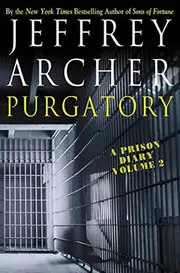
Purgatory
by Jeffrey Archer
2005
The second volume of Archer’s prison memoirs continues his account of life inside as he moves deeper into the system. Between work details, bureaucracy, and shifting relationships, he asks what punishment achieves and what prisons reveal about society.

Heaven
by Jeffrey Archer
2006
In the final volume of the prison diary trilogy, Archer describes a later stage of incarceration in comparatively more open conditions. The routines change, but the questions don’t: how people adapt, what they regret, and what freedom really means.
A Prison Diary books in chronological order
Series background & context
A Prison Diary is Jeffrey Archer’s non-fiction account of life inside after his 2001 conviction and prison sentence. It’s less a single memoir and more a day-by-day record of what it feels like to have your world reduced to timetables, locked doors, and small negotiations.
The trilogy is split into three volumes: A Prison Diary, Purgatory, and Heaven. Archer wrote the first volume during his time in Belmarsh and originally published it under his prison number, a reminder that the system is designed to make everyone interchangeable. The later books continue the story through further time in custody, including Wayland and then a more open setting at North Sea Camp.
It’s surprisingly practical.
In A Prison Diary, he describes the early days in a high-security environment: the paperwork, the rules you learn by making mistakes, the way time slows down, and the social codes you have to grasp quickly if you want an easier life. He sketches the staff and the unwritten hierarchies among prisoners, and he pays attention to how tiny advantages—an extra phone call, a better job, a place in the queue—can start to look like power.
As the trilogy moves on, the day-to-day details change: where you’re housed, how much freedom of movement you have, what kind of work you can get, and how you fill the long stretches of time. Archer writes about letters and visits, the prison “economy” that grows up around boredom, and the ways people try to educate themselves or simply get through the day without trouble. The shift between different prisons also lets him show how much the experience depends on the place and the culture inside it, not just the sentence on paper.
Purgatory and Heaven keep returning to the same questions. Who gets second chances? What does punishment actually accomplish? And how do you hold onto dignity when privacy is gone and the smallest routines are controlled by someone else?
Archer’s tone is observational rather than confessional. He notices bureaucracy, contradictions, and the odd flashes of kindness or comedy that can show up in a place built to strip those things away. He’s also blunt about boredom and frustration, which makes the books feel grounded even when the situations are unfamiliar. If you’re reading the trilogy, go in order. The power comes from accumulation: small incidents that build into a picture of how a prison works, and how a person changes when “normal life” is no longer available.













Edited by
Software engineer whose passion for tracking book recommendations from podcasts inspired the creation of MRB.
Lead investor at 3one4 Capital whose startup expertise and love for books helped shape MRB and its growth.
Comments
Did we miss something? Have feedback?
Help us improve this page by sharing your thoughts