
27 Best Wrestling Books
The best wrestling books, ranked by how many expert sources recommend each one, with notes for fans choosing memoirs, backstage accounts, or business history.
Our take
Professional wrestling books explain how the spectacle gets made and what it costs the people making it. A wrestler's memoir can bring road travel, training, injuries, and backstage relationships into view. A reported history can explain the promoters, television deals, and business decisions behind familiar moments. This selection focuses on professional wrestling's performers and industry, rather than instruction for competitive amateur wrestling.
Have a Nice Day! is a welcoming starting point for a personal voice, while Hitman offers a longer, more conflicted account of a working career. A Lion's Tale follows a wrestler's development across several countries. For the changing business, try Death of the Territories, then Nitro for a closer look at WCW. Becky Lynch: The Man adds a more recent career perspective. Begin with a performer you already follow, or choose Death of the Territories if you want the industry's history first.
27 books · 7 sources · Last updated
As an Amazon Associate, we earn from qualifying purchases (at no extra cost to you).
How to choose from this list
Skip to the full rankingIf you're new to wrestling memoirs: Have a Nice Day! → Hitman
If you want Jericho's story in order: A Lion's Tale → Undisputed
If you want to understand the business: Death of the Territories → Nitro
If you're interested in earlier wrestling eras: Hooker → Pain and Passion
If you want a woman's career perspective: Becky Lynch: The Man
If you're interested in commentary and backstage work: Slobberknocker → Bobby the Brain
The 27 books, ranked
Ranked by how many expert sources name each book. Ties go to the book more people recommend.

For readers prepared for a long, personal account of wrestling's working life. Hart's recorded recollections give the road stories unusual detail, though his rivalries and family conflicts make this an emphatically individual perspective.
What it's about
Bret Hart recounts his life inside and outside professional wrestling, drawing on years of recordings made during his career. His memoir explores the industry’s rivalries, life on the road, family conflicts, and the personal costs behind the public performances.

Foley is Good
For readers ready to continue after Have a Nice Day!. Foley keeps his conversational humor while looking more closely at wrestling controversies, though the sequel assumes familiarity with his earlier career and public characters.
What it's about
This follow-up memoir picks up after his first bestseller and covers the final stretch of Foley's full-time ring career. He mixes humor and backstage detail while showing how fame, family, and wrestling were starting to collide.

For readers new to wrestling memoirs who want personality alongside backstage detail. Foley's warmth and humor distinguish it from score-settling accounts, though the injury stories can be graphic and the career history stops before later developments.
What it's about
Foley's first memoir mixes backstage wrestling history, painful match stories, and a surprisingly warm voice. He traces his path from obsessed Long Island kid to Mankind, Cactus Jack, and one of wrestling's most unforgettable performers.

For readers interested in booking, promotion, and Texas wrestling. Hart explains the thinking behind the spectacle from a manager's vantage point, though his strong opinions need balancing against accounts from the people he discusses.
What it's about
Gary Hart recounts his career in professional wrestling, offering a backstage view of Texas wrestling and World Class. His memoir revisits major storylines, relationships with performers, and the plane crash that killed Bobby Shane.

For fans who want to understand a career before national television fame. Jericho's international travels make this broader than a WWE memoir, though it stops at his arrival there and leaves the later success to another volume.
What it's about
Chris Jericho looks back at his childhood in Winnipeg, his punishing training at the Hart Brothers school, and his chaotic travels through Mexico, Japan, and WCW, all building to his dramatic 1999 debut in WWE.
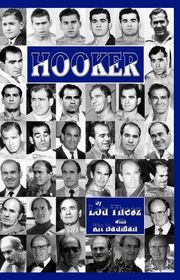
Hooker
For readers interested in wrestling before television's modern spectacle. Thesz explains an older professional culture from inside it, though his firm preferences and judgments make this a valuable viewpoint rather than a neutral history.
What it's about
Lou Thesz recounts his development from a young wrestler in St. Louis into a leading professional champion. Written with Kit Bauman, the memoir explores training, rivalries, promoters, and the business culture of an earlier wrestling era.

The Death of WCW
For readers who want a brisk explanation of WCW's collapse. Alvarez and Reynolds make programming and management failures easy to follow, though the mocking tone favors a sharp argument over the distance of a corporate history.
What it's about
Bryan Alvarez and R. D. Reynolds examine how World Championship Wrestling fell from television dominance to collapse. Their account follows the business decisions, backstage problems, and programming failures that preceded its sale to Vince McMahon’s company.

For fans who want a manager's and commentator's view rather than another wrestler's career arc. Heenan's comic timing carries the anecdotes, though the short recollections offer less sustained analysis of the industry's business.
What it's about
Bobby Heenan recounts his life in professional wrestling and his experiences with figures such as Hulk Hogan, André the Giant, and Vince McMahon. His memoir brings the outspoken manager and commentator’s perspective to the personalities and relationships behind the spectacle.

For readers curious about territory wrestling beyond its most famous stars. Denton's long regional career gives the backstage stories a different scale, though the many promoters and local personalities may be unfamiliar to newer fans.
What it's about
Lynn Denton recounts thirty-five years in wrestling, from a Texas dance hall to the Monday Night Wars. His memoir follows life as the masked Grappler and offers backstage stories from promotions including Mid-South, World Class, Memphis, and Portland.
Nitro
For fans who want WCW's rise and collapse explained through its corporate setting. Evans broadens the discussion beyond failed storylines, though the management detail and numerous interviews make it denser than The Death of WCW.
What it's about
Guy Evans investigates the growth and collapse of World Championship Wrestling during the Monday Night Wars. Interviews with wrestlers, executives, and television employees connect programming decisions with corporate uncertainty and the changing business of televised entertainment.
Pure Dynamite
For readers who want a blunt account of wrestling's physical and personal damage. Billington's career gives the warnings concrete weight, though the unsoftened recollections and troubling behavior make him a difficult narrator to spend time with.
What it's about
Tom Billington, the Dynamite Kid, recounts his career as a singles wrestler and one half of the British Bulldogs. His experiences in Britain, Japan, and North America expose the injuries and personal costs behind wrestling success.

For readers who enjoyed A Lion's Tale and want Jericho's next career stage. The WWE experience adds sharper backstage politics, though the blend of wrestling and music makes it less focused than a single-promotion history.
What it's about
Picking up where A Lion's Tale ends, Jericho walks through his WWE years, from awkward debut to Undisputed World Champion, mixing backstage politics, feuds with icons like The Rock and Steve Austin, and the rise of his band Fozzy.

Becky Lynch: The Man
For readers seeking a woman's perspective on building a modern wrestling career. Quin connects personal uncertainty to changing opportunities in the industry, though this remains her own path rather than a wider history of women's wrestling.
What it's about
Rebecca Quin, known as Becky Lynch, recounts her upbringing in Ireland and her path through training and setbacks to WWE. The memoir explores the person behind the character and her efforts to establish a place for herself.

For fans interested in the personal costs behind a successful career. Guerrero's account gives addiction and family strain substantial weight, though the memoir's perspective and publication point leave much that happened later outside its scope.
What it's about
Eddie Guerrero recounts his journey from a Mexican wrestling family to becoming WWE champion. Alongside stories from his career, he describes addiction, injury, family difficulties, and the faith and determination involved in rebuilding his life.

For fans who want Flair's own interpretation of his persona and career. The personal reflections sit alongside recognizable backstage figures, though the memoir's loyalties and grievances make it a participant's account rather than an independent biography.
What it's about
Ric Flair recounts his rise in professional wrestling and the struggles behind his flamboyant public persona. His career story includes self-doubt, troubled relationships, and backstage experiences, supplemented by recollections from fellow wrestlers and industry figures.

Wrestling for My Life
For readers interested in Michaels's Christian faith and personal recovery. The focus on family, belief, and changed priorities distinguishes it from a career chronology, though readers seeking detailed match history may find that emphasis limiting.
What it's about
Shawn Michaels reflects on his life in professional wrestling and the Christian faith he credits with changing it. Family relationships, past struggles, and renewed priorities frame an account of personal recovery within a public entertainment career.

Controversy Creates Cash
For fans who want a promoter's defense of decisions made during the television wars. Bischoff supplies direct managerial perspective, though his stake in the outcome makes it useful to compare with the independently reported Nitro.
What it's about
Eric Bischoff recounts his rise to leadership at World Championship Wrestling and its competition with Vince McMahon's company. His account covers talent recruitment, television strategy, rapid growth, and the business decisions surrounding WCW's eventual collapse.

Death of the Territories
Expansion, Betrayal and the War that Changed Pro Wrestling Forever
For readers who want to understand how regional promotions lost ground to national television. Hornbaker emphasizes business decisions over backstage anecdotes, though the many companies and shifting alliances require attention to names and chronology.
What it's about
Tim Hornbaker traces the decline of North America’s regional wrestling territories as cable television enabled national expansion. He examines Vince McMahon’s talent recruitment and business strategy alongside the decisions of rival promoters trying to preserve their operations.
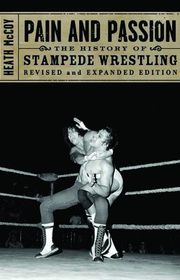
Pain and Passion
For readers who want the Hart family's promotion placed in regional history. McCoy examines the business and community beyond individual stars, though the many relatives and careers can be difficult to track without prior familiarity.
What it's about
Heath McCoy traces Calgary's Stampede Wrestling from its early years through its rise and decline. The history follows Stu Hart's promotion, the performers it developed, and the family tensions and industry changes surrounding its fortunes.

Sex, Lies, and Headlocks
The Real Story of Vince McMahon and World Wrestling Entertainment
For readers who want reported business history beyond performers' memoirs. Assael and Mooneyham examine the industry's power and scandals, though its publication date means it can't provide a current account of later WWE developments.
What it's about
Shaun Assael and Mike Mooneyham examine Vince McMahon’s rise and the business behind televised professional wrestling. Their account follows major stars, industry scandals, rivalries, and high-stakes decisions within a culture shaped by secrecy and loyalty.

For fans interested in commentary and the jobs behind televised wrestling. Ross connects his recognizable broadcast voice to a wider working career, though the personal perspective gives selected relationships more attention than a balanced industry survey.
What it's about
Jim Ross recounts his journey from an Oklahoma farm to becoming a familiar voice of professional wrestling. His memoir explores the jobs, relationships, industry politics, and encounters with major stars that shaped his long career.
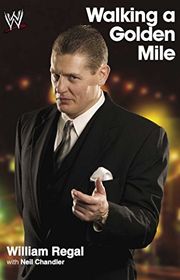
Walking a Golden Mile
For readers interested in a British route into American wrestling. Regal's early working experiences distinguish it from the WWE-centered memoirs, though the candid account of addiction and adversity can overshadow the discussion of his craft.
What it's about
William Regal recalls his beginnings in Blackpool wrestling and his path into major American promotions. The memoir connects the development of his wrestling career with addiction, personal difficulties, and the effort to rebuild his life.

For fans drawn to the independent route into WWE and the role of audience support. Bryan's modest perspective differs from more combative memoirs, though the account ends well before the later stages of his career.
What it's about
Daniel Bryan recounts his path from a childhood ambition to wrestle through years on the independent circuit and into WWE. He explores the influences, choices, and fan support that culminated in his breakthrough at WrestleMania 30.

Is Wrestling Fixed? I Didn’t Know It Was Broken!
From Photo Shoots and Sensational Stories to the WWE Network
For readers who want the wrestling world through a photographer and reporter's encounters. Apter's access produces a broad collection of personalities, though the anecdotal format offers less continuity than a chronological industry history.
What it's about
Reporter and photographer Bill Apter recalls a career spent around professional wrestling’s major personalities. His stories range from the territorial era to WrestleMania and later WWE, including his involvement in Andy Kaufman’s feud with Jerry Lawler.

Pro Wrestling FAQ
All Thats Left to Know About the Worlds Most Entertaining Spectacle
For readers looking for an organized overview before tackling individual memoirs. Solomon covers eras and personalities across a long history, though the survey format necessarily gives particular promotions and disputed events less depth.
What it's about
Brian Solomon surveys professional wrestling from nineteenth-century carnival attractions to modern televised entertainment. Historical chapters and brief biographies explain its changing eras, notable matches, major performers, and development into a large media business.

The King of New Orleans
How the Junkyard Dog Became Professional Wrestling's First Black Superhero
For readers interested in race, regional audiences, and a star's cultural importance. Klein places the Junkyard Dog within New Orleans wrestling, though the focused biography isn't a comprehensive history of Black performers in the industry.
What it's about
Greg Klein traces the life and career of Sylvester Ritter, known as the Junkyard Dog. The biography explores his New Orleans popularity, major feuds, personal life, and role in breaking racial barriers within professional wrestling.

For fans who care about championship design and physical wrestling memorabilia. The photographs and archival material reward close inspection, though its narrow focus on one belt makes it a specialist purchase rather than a general introduction.
What it's about
Dick Bourne and Dave Millican trace the creation and history of wrestling’s Big Gold championship belt. Detailed photographs, archival documents, title records, and an interview with Ric Flair explore its craftsmanship and its years representing several world championships.
Sources
- 1
10 Wrestling Book Must-Reads (and 5 You Should Skip!)
prowrestlingstories.com
- 2
Best Wrestling Books (488 books)
goodreads.com
- 3
100 Best Wrestling Books of All Time (Updated for 2026)
shortform.com
- 4
Best wrestling books: Explore WWE history and industry secrets | The Standard
standard.co.uk
- 5
What's the best book about wrestling you've read? : r/WWE
reddit.com
- 6
What's the best wrestling book you ever read? : r/SquaredCircle
reddit.com
- 7
Pro Wrestling's 15 Best Books for Learning About the History of the Business
bleacherreport.com








Edited by
Software engineer whose passion for tracking book recommendations from podcasts inspired the creation of MRB.
Lead investor at 3one4 Capital whose startup expertise and love for books helped shape MRB and its growth.
Comments
Spotted a missing book, a wrong order or a mistake? Tell us and we'll fix this page.
We're a reading guide, not the author or publisher, so we can't send books or pass on messages.