
8 Best Reiki Books
The best Reiki books, ranked by how many expert sources recommend each one, with notes to help you choose introductory manuals, history, and spiritual views.
Our take
Reiki books describe a practice associated with Mikao Usui and a range of later teaching traditions. They differ in their accounts of history, their explanations of practice, and the spiritual ideas they bring alongside it. A translated handbook, a class workbook, and a collection of personal experiences answer different questions, even when they use similar language.
The Original Reiki Handbook offers material linked to Usui with explanatory additions. Essential Reiki presents Diane Stein’s interpretation, while Reiki manuals by Lisa Powers and William Lee Rand reflect their respective teaching approaches. The Reiki Sourcebook provides a broader reference for readers comparing traditions and terminology. The Art of Psychic Reiki adds a distinct psychic framework, and Tails of a Healer approaches the subject through personal encounters with animals.
Start with an introductory manual that fits what you want to study, then compare it with historical material and other traditions. Read claims about healing as the authors’ claims, alongside their spiritual perspectives.
8 books · 6 sources · Last updated
As an Amazon Associate, we earn from qualifying purchases (at no extra cost to you).
How to choose from this list
Skip to the full rankingIf you want to study founder-related material: The Original Reiki Handbook
If you want a broad reference: The Reiki Sourcebook
If you want an illustrated beginner's guide: Reiki Healing for Beginners
If you want a Western interpretation: Essential Reiki
If you want psychic and empathic themes: The Art of Psychic Reiki
If you prefer personal stories about animals: Tails of a Healer
The 8 books, ranked
Ranked by how many expert sources name each book. Ties go to the book more people recommend.

For readers exploring a widely circulated Western interpretation of Reiki and its training levels. Its broad coverage provides a useful point of comparison, though its spiritual explanations and historical claims reflect the author’s particular approach.
What it's about
Diane Stein explains her approach to Reiki across its three degrees of practice. Written for students, practitioners, and teachers, the guide presents the system's techniques and spiritual framework while distinguishing written instruction from the directly received attunements involved in training.

The Original Reiki Handbook
For students interested in material associated with Reiki’s founder and early practice. Its translated text and illustrated positions offer a historical reference point, though the explanatory additions should be distinguished from the original material.
What it's about
This English translation presents Mikao Usui's Reiki handbook with explanatory material by Frank Arjava Petter. Photographs illustrate the hand positions and techniques described in the original text, providing a reference for readers studying Usui's approach to Reiki practice.
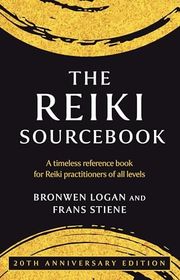
The Reiki Sourcebook
For readers who want a reference for comparing Reiki history, terminology, and traditions. Its wider scope complements the practice manuals, though it remains written from within Reiki practice rather than as an independent scientific assessment.
What it's about
Bronwen Logan and Frans Stiene survey Reiki’s history, teachings, terminology, and practice across different traditions. The reference brings together background material and practical discussion for students and practitioners seeking to compare approaches and understand the system’s development.

For students who want a course companion covering several Reiki training levels in one volume. Its organized overview is useful for review, though it reflects one teacher’s system and cannot reproduce the feedback of a class.
What it's about
Lisa Powers introduces Reiki through material covering Level I, Level II, and Master training. Her manual explains the system and its practices for working with oneself and others, serving as an introduction, course companion, or review for previous students.

For students using Rand’s teaching approach who want illustrated material to revisit between classes. Its workbook origins make it a focused reference, though its terminology and explanations belong to a particular Reiki tradition.
What it's about
William Lee Rand introduces Reiki through history, explanatory discussion, and illustrated practice instructions. Originally developed as a class workbook, the guide covers hand positions for working with oneself and others, together with his explanations of Reiki symbols and their use.

For beginners who prefer illustrated instructions and an easy-to-browse arrangement. Its organization around named concerns makes topics quick to locate, though the proposed remedies are the author’s claims rather than evidence of effective treatment.
What it's about
Karen Frazier introduces Reiki's history, principles, and basic hand positions through illustrated instructions. The book organizes practices around numerous physical and emotional concerns, explaining how she proposes applying this form of energy healing to oneself and others.

The Art of Psychic Reiki
Developing Your Intuitive and Empathic Abilities for Energy Healing
For readers who specifically want Reiki combined with psychic and empathic ideas. Its exercises address boundaries and intuitive practice, though the spirit-guide framework is a particular spiritual interpretation rather than a universal feature of Reiki.
What it's about
Lisa Campion combines Reiki instruction with her approach to intuitive and empathic development. Exercises address grounding, personal boundaries, and the practices associated with Reiki levels one and two, alongside her guidance on working with spirit guides and psychic perceptions.

For readers drawn to animals and personal spiritual experience rather than a technical manual. Its individual stories provide a different perspective on the author’s practice, though anecdote cannot establish the healing effects she describes.
What it's about
Rose De Dan collects forty-five accounts of encounters with animals and their place in her spiritual practice. Personal stories, photographs, and reflections connect her experiences with Reiki and shamanism to questions of compassion, companionship, life, and death.
Sources














Edited by
Software engineer whose passion for tracking book recommendations from podcasts inspired the creation of MRB.
Lead investor at 3one4 Capital whose startup expertise and love for books helped shape MRB and its growth.
Comments
Spotted a missing book, a wrong order or a mistake? Tell us and we'll fix this page.
We're a reading guide, not the author or publisher, so we can't send books or pass on messages.