
16 Best Massage Books
The best massage books, ranked by how many expert sources recommend each one, with notes to help you choose beginner guides, anatomy, and practitioner texts.
Our take
Massage books serve different readers. Some introduce touch and relaxation at home, while others support anatomy study, professional training, or a particular bodywork tradition. An illustrated sequence can help explain a movement, but it offers a different kind of learning from supervised practice and feedback from the person receiving touch.
The Book of Massage and The Complete Guide to Modern Massage provide broad introductions. Massage Therapy is closer to a course textbook, and Trail Guide to the Body concentrates on locating anatomical structures. Deep Tissue Massage and Basic Clinical Massage Therapy address more specialized practitioner interests. Infant Massage focuses on parents and babies, while Encyclopedia of Thai Massage brings cultural context to its techniques. Books about meridians and reflexology use traditional frameworks that should be read with their assumptions in mind.
Start with a general illustrated guide for orientation, or follow your training program’s reading requirements if you are preparing for professional practice.
16 books · 6 sources · Last updated
As an Amazon Associate, we earn from qualifying purchases (at no extra cost to you).
How to choose from this list
Skip to the full rankingIf you're new to massage: The Book of Massage → The Complete Guide to Modern Massage
If you're studying professional foundations: Massage Therapy → Trail Guide to the Body
If you're a practitioner refining technique: Deep Tissue Massage → Basic Clinical Massage Therapy
If you want Thai massage context: Encyclopedia of Thai Massage
If you're interested in parent and baby touch: Infant Massage
If you need a pathology reference: A Massage Therapist's Guide to Pathology
The 16 books, ranked
Ranked by how many expert sources name each book. Ties go to the book more people recommend.
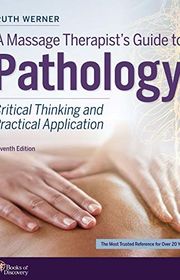
A Massage Therapist's Guide to Pathology
For massage students and practitioners developing judgment about health conditions and professional boundaries. Its massage-specific context makes pathology more relevant than a general disease reference, though it requires foundational knowledge and attention to current editions.
What it's about
Ruth Werner surveys diseases and health conditions in relation to massage practice. The textbook connects pathology with client assessment, precautions, professional judgment, and communication, supporting students and practitioners as they consider how health histories affect their work.
Basic Clinical Massage Therapy
For massage students and practitioners who want detailed anatomical context for technique. Its regional organization supports focused reference work, though the clinical emphasis is more demanding than a home guide and editions differ in coverage.
What it's about
James Clay and David Pounds connect massage techniques with anatomy through regional descriptions, photographs, and illustrations. The reference examines muscles and their relationships, helping students and practitioners study how anatomical knowledge informs hands-on work and treatment planning.

For massage students who need a broad training reference. Its coverage connects technique, foundational science, and professional practice more systematically than home guides, though readers should check the edition required by their program before choosing a copy.
What it's about
Susan Salvo's sixth edition introduces massage therapy through foundational techniques, anatomy, physiology, and professional practice. Illustrations and study questions accompany material on assessment, client relationships, precautions, and business, giving students a broad framework for training.

The Book of Massage
The Complete Step-by-Step Guide to Eastern and Western Technique
For beginners who want an illustrated introduction to several massage traditions. Its step-by-step layout makes browsing and comparison straightforward, though the breadth leaves less room for anatomy, assessment, and the limits of different approaches.
What it's about
This illustrated introduction brings together Western massage, shiatsu, and reflexology, with contributions from Carola Beresford Cooke and others. Step-by-step instructions address touch techniques, creating a comfortable setting, and using oils or lotions when giving a massage.
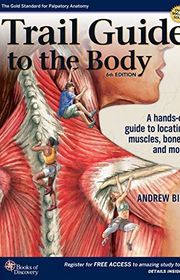
Trail Guide to the Body
For students who need to connect anatomical names with structures they can locate. Its palpation-focused illustrations complement technique textbooks, though it is a focused anatomy resource and does not provide a complete massage training curriculum.
What it's about
Andrew Biel introduces the body’s muscles, bones, and other structures through illustrations and palpation guidance. The book supports anatomy learning for massage and other manual therapy students, connecting anatomical descriptions with the practical task of locating structures.

For trained practitioners who want to refine touch, positioning, and body mechanics. Its visual detail supports technique review better than a broad beginner survey, though a book cannot provide the feedback needed to judge pressure and client response.
What it's about
Art Riggs presents deep tissue bodywork through photographs and anatomical drawings that clarify touch, body mechanics, and client positioning. This revised guide explores practical strategies for massage practitioners, connecting technical instruction with the approach taken during sessions.

Encyclopedia of Thai Massage
A Complete Guide to Traditional Thai Massage Therapy and Acupressure
For learners who want Thai massage techniques alongside their cultural background. Its historical and traditional context adds depth beyond a picture guide, though the physical skills and assisted movements require informed instruction rather than reading alone.
What it's about
C. Pierce Salguero and David Roylance introduce traditional Thai massage through techniques and their cultural context. History, Buddhist traditions, yogic practices, and anatomy inform a guide that connects bodywork instruction with Thailand's understanding of therapeutic practice.

For parents interested in gentle touch as a form of communication with their baby. Its focused approach gives bonding more attention than general massage manuals, though individual comfort and developmental circumstances matter more than following a fixed routine.
What it's about
Vimala McClure introduces infant massage as a practice for parents seeking closer bonds with their babies. This revised fourth edition explains techniques and the role of gentle touch, connecting practical instruction with communication and family relationships.
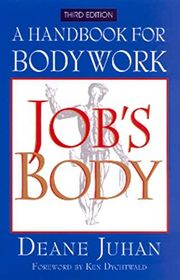
Job's Body
For bodyworkers who want a reflective account of touch, movement, and bodily experience. Its broad conceptual discussion complements technique manuals, though the dense prose and older explanatory models require patience and critical attention.
What it's about
Deane Juhan explores bodywork through anatomy, physiology, movement, and the experience of touch. The book connects descriptions of bodily systems with broader reflections on perception and learning, inviting practitioners to consider the ideas underlying their hands-on work.

The Complete Guide to Modern Massage
Step-by-Step Massage Basics and Techniques from Around the World
For beginners who want a readable survey of massage traditions and basic techniques. Its step-by-step format offers breadth without a full textbook’s demands, though professional assessment and safe hands-on skill require more extensive training.
What it's about
Ryan Jay Hoyme introduces massage through illustrated, step-by-step techniques from traditions including Swedish, shiatsu, Thai, and Ayurvedic practice. Background on massage principles accompanies practical sequences, giving beginners an overview of different approaches to working with touch.

For readers who prefer a visual overview of massage styles and simple sequences. Its organization makes it easy to explore specific interests, though the symptom-focused sections should not be treated as diagnosis or promises of relief.
What it's about
Susan Mumford introduces massage through illustrated techniques drawn from several traditions, including Chinese massage, shiatsu, and Indian head massage. The guide combines basic instruction with sections on different situations, common complaints, and approaches to relaxation and self-massage.
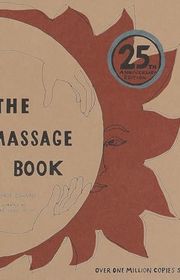
The Massage Book
For readers interested in an informal, historically influential introduction to massage. Its accessible illustrations offer a contrast to clinical textbooks, though the social attitudes and some health explanations reflect the era in which it was written.
What it's about
George Downing presents an illustrated introduction to massage for everyday readers. Practical explanations of touch and massage sequences sit alongside reflections on relaxation and interpersonal connection, offering a view of massage shaped by its early 1970s context.

For practitioners seeking a muscle-by-muscle reference to the authors’ approach to myofascial pain. Its maps support detailed study more than a general relaxation guide, though interpreting symptoms requires broader clinical judgment and appropriate professional scope.
What it's about
Donna and Steven Finando provide a clinical reference for practitioners assessing myofascial pain. Muscle-specific information, pain patterns, and illustrations support their approach to locating trigger points and selecting bodywork techniques, stretching, and related exercises for individual cases.

For readers who want a structured explanation of the authors’ self-massage approach. Its diagrams make their proposed pain patterns concrete, though matching a diagram to discomfort does not establish a diagnosis or rule out another cause.
What it's about
Clair and Amber Davies explain trigger points and referred muscle pain through a practical workbook for self-massage. Illustrations and step-by-step guidance help readers explore the authors' approach to locating sensitive areas and understanding patterns of muscular discomfort.

For bodyworkers curious about a traditional Chinese medicine framework for touch. Its organized meridian approach offers a different conceptual perspective, though Qi and meridian explanations should be understood as traditional models rather than established anatomical pathways.
What it's about
Cindy Black presents Meridian Massage as an integration of Chinese medicine and Western bodywork. She explains meridian pathways and the traditional concept of Qi, showing practitioners how her approach incorporates these ideas into hands-on massage.

For readers interested in reflexology as a relaxation practice. Its foot and hand illustrations make the proposed sequences easy to locate, though claims linking pressure points to specific organs need a more critical reading.
What it's about
Barbara and Kevin Kunz introduce reflexology through illustrated foot and hand charts, pressure-point techniques, and treatment sequences. Their guide explains the practice's proposed connections between reflex points and well-being, alongside visualizations and suggestions for relaxation.
Sources
- 1
Book Recommendations for Massage Therapists
rmtedu.com
- 2
100 Best Massage Books of All Time (Updated for 2026)
shortform.com
- 3
Massage Books
goodreads.com
- 4
Books & eBooks - Massage Therapy
libraryguides.centennialcollege.ca
- 5
What is the best textbook to learn how to massage?
reddit.com
- 6
Textbooks
holisticlifeinstitute.com



Edited by
Software engineer whose passion for tracking book recommendations from podcasts inspired the creation of MRB.
Lead investor at 3one4 Capital whose startup expertise and love for books helped shape MRB and its growth.
Comments
Spotted a missing book, a wrong order or a mistake? Tell us and we'll fix this page.
We're a reading guide, not the author or publisher, so we can't send books or pass on messages.