
13 Best Lisa See Books
The best Lisa See books, ranked by how many expert sources recommend each one, with notes to help you choose historical fiction, family history, or a mystery.
Our take
Lisa See’s books often follow women whose friendships and family bonds are tested by social rules, migration, and political upheaval. The settings range from imperial China to Chinese American communities and Korea’s Jeju Island. Alongside the historical novels, she has written a nonfiction family history and a crime series, so there are several different ways into her work.
Snow Flower and the Secret Fan is an intimate starting point for her historical fiction. The Island of Sea Women centers on a community of women divers, while Lady Tan's Circle of Women explores a female physician’s world. Most of these novels stand alone, but read Shanghai Girls before Dreams of Joy. The Red Princess mysteries begin with Flower Net, followed by The Interior and Dragon Bones. Choose On Gold Mountain for her family’s history, or begin with the historical setting and relationship that most interest you.
13 books · 8 sources · Last updated
As an Amazon Associate, we earn from qualifying purchases (at no extra cost to you).
Reading Lisa See in order? See all Lisa See books in order
How to choose from this list
Skip to the full rankingIf you're new to her historical fiction: Snow Flower and the Secret Fan
If you want the linked family novels: Shanghai Girls → Dreams of Joy
If you want to follow the mysteries: Flower Net → The Interior → Dragon Bones
If you're interested in women's working lives: The Island of Sea Women → Lady Tan's Circle of Women
If you want Chinese American history: On Gold Mountain → Daughters of the Sun and Moon → China Dolls
If you want adoption and cultural identity: The Tea Girl of Hummingbird Lane
The 13 books, ranked
Ranked by how many expert sources name each book. Ties go to the book more people recommend.
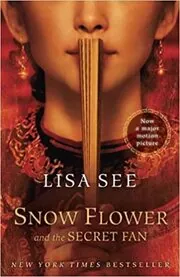
For readers who want an intimate introduction to See’s historical fiction through a complicated friendship. The attention to women’s communication gives the relationship a distinctive setting, though the physical suffering and constrained lives make it emotionally demanding.
What it's about
Snow Flower and the Secret Fan follows Lily, a woman in nineteenth‑century rural China, as she looks back on her laotong bond with Snow Flower, the friend who shared footbinding, marriage, and a secret women’s script until misunderstandings threaten their lifelong loyalty.

Lady Tan's Circle of Women
For readers interested in women’s work, medical history, and friendship under restrictive social rules. The focus on a historical female physician gives it a different professional world from See’s other novels, though the detailed customs and medical material slow the pace.
What it's about
Lady Tan’s Circle of Women reimagines the life of Tan Yunxian, a fifteenth‑century woman born into an elite family who is trained in women’s medicine by her grandmother and, despite marriage rules that confine her, builds a quiet practice treating female patients alongside her midwife friend Meiling.
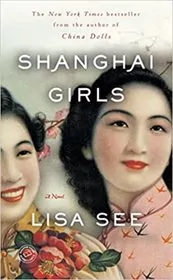
For readers interested in sisters, migration, and the pressures of rebuilding a life. The movement between Shanghai and Los Angeles gives the family story a broad historical frame, though the violence and unresolved tensions lead naturally into its sequel.
What it's about
Shanghai Girls begins in 1937 with sisters Pearl and May, glamorous advertising models in Shanghai, whose father’s debts and the Japanese invasion force them into arranged marriages and a harrowing journey to Los Angeles, where they must rebuild their lives amid prejudice and family secrets.
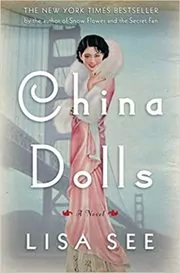
For readers interested in performance, identity, and friendship within Chinese American history. The nightclub setting and alternating perspectives distinguish it from See’s China-set novels, though the shifting viewpoints ask you to reconsider characters rather than settle quickly on one account.
What it's about
China Dolls introduces Grace, Helen, and Ruby, three young women from very different backgrounds who meet in 1938 San Francisco and become dancers at a Chinatown nightclub, pursuing showbusiness dreams even as war, internment, and betrayal test their friendship and sense of belonging.
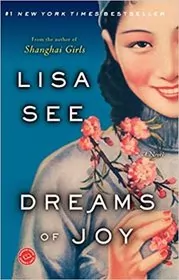
For readers ready to continue after Shanghai Girls and follow its family tensions into a new political setting. The mother-daughter perspective expands the earlier story, though the severe hardship and dependence on prior revelations make this a poor starting point.
What it's about
Dreams of Joy continues the story when nineteen‑year‑old Joy, shaken by family revelations, flees Los Angeles in 1957 to find her birth father in Shanghai and embrace communist ideals, while her mother Pearl follows into Mao’s China determined to bring her daughter safely home.
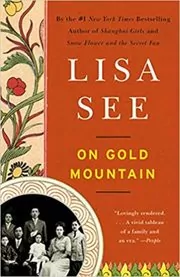
On Gold Mountain
For readers who want See’s nonfiction account of her own family’s Chinese American experience. The multigenerational research supplies personal context beyond the novels, though the many relatives and historical details require more orientation than a single-character narrative.
What it's about
On Gold Mountain tells the one‑hundred‑year story of Lisa See’s Chinese American family, following her great‑grandfather Fong See and his American wife Ticie from Guangdong to California as they build businesses, raise children, and face exclusion, racism, and changing ideas of home.
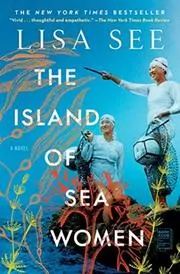
For readers drawn to friendship within a community defined by women’s skilled work. The Jeju diving culture gives the historical sweep a distinctive foundation, though the long span and episodes of severe violence make this more demanding than a gentle family saga.
What it's about
The Island of Sea Women is set on Jeju Island, where best friends Young‑sook and Mi‑ja join the haenyeo, a matrifocal community of deep‑sea divers, and their bond is tested over decades of Japanese occupation, civil conflict, and personal betrayals that leave scars above and below the water.
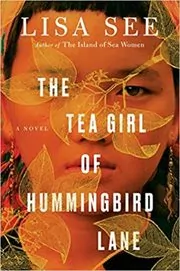
For readers interested in adoption, cultural identity, and the relationship between tradition and change. The tea-growing setting connects family experience with a wider economy, though the extensive cultural detail sometimes slows the emotional narrative.
What it's about
The Tea Girl of Hummingbird Lane follows Li‑yan, a girl from an isolated Akha tea‑farming village, who breaks from strict tradition when she gives up her baby daughter for adoption, and later becomes a tea entrepreneur while her child grows up in California searching for her roots.
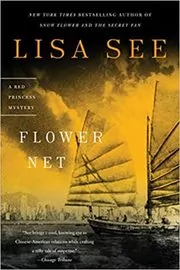
For readers who want to begin See’s crime series rather than her historical standalones. The cross-border partnership introduces cultural and legal tensions alongside the investigation, though its thriller conventions and period politics give it a different feel from her later novels.
What it's about
In Flower Net, Chinese inspector Liu Hulan and U.S. attorney David Stark are forced into an uneasy partnership when the sons of an American ambassador and a Chinese tycoon are murdered, drawing them into Beijing’s power circles, human‑smuggling rings, and a dangerous cross‑border conspiracy.
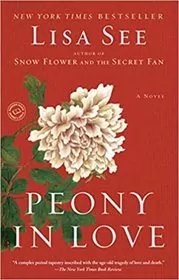
For readers who enjoy historical fiction shaped by opera, poetry, and beliefs about the afterlife. The connection between women’s writing and desire gives it a distinctive form, though the supernatural perspective may not suit readers seeking strict realism.
What it's about
Peony in Love centers on a sheltered young woman in seventeenth‑century China whose obsession with the opera The Peony Pavilion and a secret romance leads to an early death, after which she narrates as a restless spirit shaping the fates of the women who follow her.

Daughters of the Sun and Moon
For readers interested in Chinese women’s lives in the American West. The friendship among three women makes survival and belonging collective concerns, though the historical hostility and hardship make this a serious choice rather than a comforting escape.
What it's about
Daughters of the Sun and Moon is set in 1870 Los Angeles, where three Chinese women—Dove, Petal, and Moon—arrive with very different pasts and desires, then must survive rising anti‑Chinese hatred, a brutal massacre, and the choices that will bind them together in an unfamiliar city.
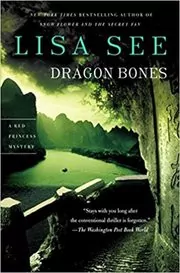
For readers continuing the Liu Hulan mysteries who enjoy archaeology and political tension. The connection between cultural heritage and modern development gives this investigation a distinctive focus, though established relationships make the earlier books useful preparation.
What it's about
In Dragon Bones, Hulan and David, grieving parents whose marriage is under strain, travel to an archaeological dig near the rising Three Gorges Dam to investigate an American’s death, stolen relics, and a shadowy religious group that may turn protest into violence.
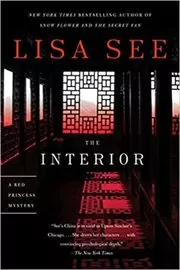
For readers continuing the Red Princess series who want a mystery tied to labor and business. The workplace setting gives the investigation a social dimension, though the developing relationship between the leads is easier to follow after Flower Net.
What it's about
The Interior sends Hulan back to her home village and undercover in a factory where young women assemble toys for export, while David represents the foreign company planning a takeover, pitting their loyalties against each other as they probe a worker’s suspicious death.
Sources
- 1
Lisa See
fantasticfiction.com
- 2
8 Best Lisa See Books (2025) - Are They Worth Reading?
ereads.com
- 3
Lisa See | Penguin Random House
penguinrandomhouse.com
- 4
Books by Lisa See (Author of Snow Flower and the Secret Fan)
goodreads.com
- 5
10 Best Lisa See Books To Read (Updated 2026 List)
readersvibe.com
- 6
About | Official Website of Lisa See
lisasee.com
- 7
Bestselling author Lisa See | Simon & Schuster
simonandschuster.com
- 8
Lisa See : r/suggestmeabook
reddit.com









Edited by
Software engineer whose passion for tracking book recommendations from podcasts inspired the creation of MRB.
Lead investor at 3one4 Capital whose startup expertise and love for books helped shape MRB and its growth.
Comments
Spotted a missing book, a wrong order or a mistake? Tell us and we'll fix this page.
We're a reading guide, not the author or publisher, so we can't send books or pass on messages.