
19 Best Dermatology Books
The best dermatology books, ranked by expert-source recommendations, with notes to help students and clinicians choose atlases, reviews and clinical references.
Our take
Dermatology study begins with describing what you see, then connecting skin findings with history, disease mechanisms and possible diagnoses. Books support different stages of that learning. An illustrated introduction helps build a vocabulary, an atlas supports visual comparison, and a large reference supplies depth for more complex questions. Many existing entries link older editions, so clinical details need checking against current guidance.
Lookingbill and Marks' Principles of Dermatology offers an introductory framework, while Dermatology Essentials provides a more extensive illustrated bridge to specialist study. Fitzpatrick's Color Atlas and Synopsis of Clinical Dermatology emphasizes images and concise summaries. Bolognia’s Dermatology and Fitzpatrick's Dermatology serve deeper reference needs. Taylor and Kelly's Dermatology for Skin of Color broadens representation, and Hurwitz Clinical Pediatric Dermatology supplies a child-focused perspective. Procedural books have a separate role for qualified clinicians undertaking supervised training.
Begin with Lookingbill and Marks' Principles of Dermatology for foundations, then choose Dermatology Essentials or the reference recommended by your training program.
19 books · 9 sources · Last updated
As an Amazon Associate, we earn from qualifying purchases (at no extra cost to you).
How to choose from this list
Skip to the full rankingIf you are building clinical foundations: Lookingbill and Marks' Principles of Dermatology → Dermatology Essentials
If you want visual diagnostic study: Fitzpatrick's Color Atlas and Synopsis of Clinical Dermatology → Differential Diagnosis in Dermatology
If you need a detailed specialist reference: Dermatology → Fitzpatrick's Dermatology
If you are preparing for examinations: Dermatology Secrets Plus → Review of Dermatology
If you want broader skin-tone representation: Taylor and Kelly's Dermatology for Skin of Color
If you focus on children: Pediatric Dermatology: A Quick Reference Guide → Hurwitz Clinical Pediatric Dermatology
The 19 books, ranked
Ranked by how many expert sources name each book. Ties go to the book more people recommend.
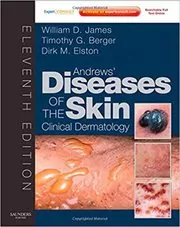
Andrews' Diseases of the Skin
For trainees who want a substantial clinical overview without starting with the largest reference. Its disease descriptions and photographs support broad study, but the linked edition is old and treatment information needs comparison with current guidance.
What it's about
This dermatology reference surveys common and uncommon skin diseases, combining clinical descriptions with photographs and diagnostic guidance. Its chapters discuss disease mechanisms, differential diagnosis, and treatment options for practitioners managing a broad range of dermatologic conditions.
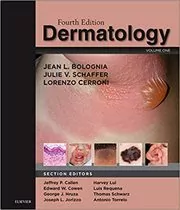
Dermatology
For residents and specialists who want basic science connected with broad clinical coverage. Its two-volume depth makes it a stronger reference than a quick introduction, but the size and density make selective reading more practical than cover-to-cover study.
What it's about
Jean Bolognia and her coauthors connect skin biology with the diagnosis and management of dermatologic disease. This two-volume reference covers adult and pediatric dermatology, dermatopathology, surgery, and cosmetic practice for residents and practicing clinicians.
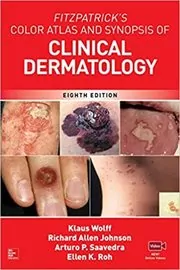
For students and clinicians who learn through lesion images paired with concise explanations. Its atlas format supports visual comparison more directly than a large textbook, but the linked edition is older and pictures cannot replace a full clinical assessment.
What it's about
This clinical atlas pairs color photographs of skin lesions with concise accounts of dermatologic conditions. Entries cover epidemiology, disease mechanisms, patient history, examination, differential diagnosis, and treatment, linking visual recognition with broader clinical assessment.
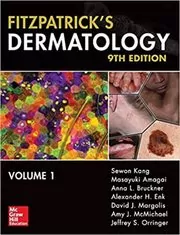
Fitzpatrick's Dermatology
For residents and specialists seeking a detailed connection between skin science and clinical medicine. Its multiauthor coverage supports deeper reference work than an atlas, but the substantial scope and technical chapters make it a demanding starting point.
What it's about
This multiauthor reference brings together the scientific foundations of dermatology and the clinical assessment of skin disease. Illustrated chapters examine disease mechanisms, dermatologic disorders, diagnostic methods, and therapies for specialists, trainees, and other health professionals.
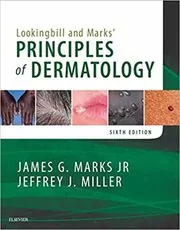
Lookingbill and Marks' Principles of Dermatology
For students who need a clear framework for describing and comparing skin findings. Its organization by visible appearance supports early diagnostic reasoning, but the introductory scope leaves less depth than the major specialist references.
What it's about
James Marks and Jeffrey Miller organize dermatologic problems by their visible appearance. Clinical photographs, histopathology images, diagrams, differential diagnosis tables, and case reviews connect the recognition of lesions with underlying causes and treatment options.
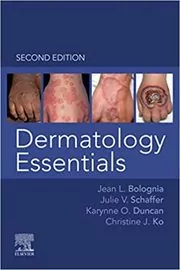
Dermatology Essentials
For trainees and primary care professionals who want an illustrated bridge between introduction and reference. Its tables and algorithms make broad topics easier to navigate, but condensed explanations provide less scientific depth than the full Bolognia textbook.
What it's about
This condensed dermatology reference combines clinical photographs with tables, diagnostic algorithms, and treatment summaries. Introductory chapters explain basic principles and bedside assessment before the book surveys skin disorders encountered by dermatologists and primary care professionals.
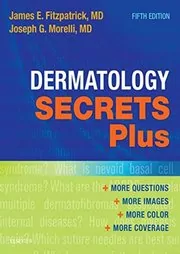
Dermatology Secrets Plus
For trainees who prefer active recall and short explanations during revision. Its question-and-answer format is easier to use in brief sessions than a full textbook, but the compressed coverage and older linked edition require a current reference alongside it.
What it's about
James Fitzpatrick and Joseph Morelli use a question-and-answer format to review dermatologic conditions and clinical practice. Photographs, tables, key-point lists, and concise explanations support study of diagnosis, treatment, and topics encountered in examinations.
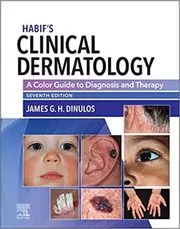
For clinicians and trainees who want photographs connected with practical assessment. Its clinical emphasis makes it easier to consult than the broadest scientific references, but the linked edition’s management details need checking against current guidance.
What it's about
James Dinulos combines clinical photographs with guidance on diagnosing and treating skin disease. The reference covers common conditions and difficult presentations, organizing information around the recognition, evaluation, and management of problems encountered in clinical practice.
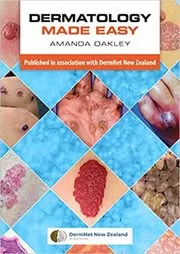
Dermatology Made Easy
For students who want to approach skin problems through symptoms, appearance and location. Its photographs and accessible organization support early recognition, but it offers less depth on mechanisms and complex management than the major references.
What it's about
Amanda Oakley organizes dermatologic diagnosis around symptoms, lesion appearance, and body location. Clinical photographs accompany explanations of rashes, infections, and skin lesions, with discussion of investigations and treatment approaches for students and health professionals.

Differential Diagnosis in Dermatology
For learners who want to compare skin conditions by their visible presentation. Its differential-diagnosis structure offers a more focused reasoning aid than an encyclopedic reference, but image-based comparisons still need history, examination and appropriate clinical investigation.
What it's about
Richard Ashton and Barbara Leppard organize skin disorders to support differential diagnosis. Clinical images and explanations help readers compare appearances and distinguish possible causes, connecting the recognition of skin findings with a structured approach to assessment.
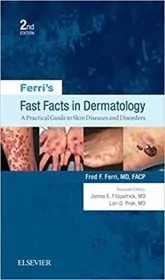
For clinicians who want a compact overview of common skin conditions. Standardized entries make it quicker to consult than a large reference, but the brief format leaves less room for nuanced reasoning and complex cases.
What it's about
Fred Ferri presents a compact reference to common skin diseases and disorders. Standardized entries cover causes, clinical findings, differential diagnosis, investigations, treatment, and practical points, providing an illustrated overview for clinicians evaluating dermatologic problems.

Hurwitz Clinical Pediatric Dermatology
For pediatricians and dermatology trainees who need a fuller child-focused reference. Its dedicated coverage goes deeper than a quick pediatric guide, but the substantial chapters and linked edition require selective reading and comparison with current clinical guidance.
What it's about
Amy Paller and Anthony Mancini explain skin disorders affecting infants, children and adolescents. The reference combines clinical images with discussion of identification and management, providing a detailed pediatric perspective for clinicians and trainees evaluating childhood skin disease.

Review of Dermatology
For residents who want organized examination review alongside a comprehensive textbook. Its condensed presentation supports retrieval and revision more efficiently than long chapters, but the review format and linked edition need supplementation for current clinical decisions.
What it's about
Ali Alikhan and Thomas Hocker organize dermatology knowledge for review. The book condenses clinical and scientific material into a study-oriented format, helping trainees revisit key facts and relationships while preparing for examinations and broader specialty learning.

Taylor and Kelly's Dermatology for Skin of Color
For clinicians who want broader representation of skin tones in dermatology study. Its focused images and discussion address a limitation of many general references, but it is a substantial specialist text rather than a short introduction.
What it's about
Susan Taylor and Henry Lim present dermatology across a range of skin tones. The third edition combines clinical images with discussion of presentation, diagnosis and management, addressing differences that may receive less attention in general dermatology references.
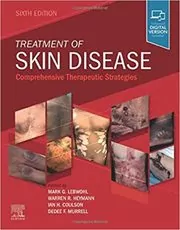
For clinicians comparing management approaches after establishing a diagnosis. Its condition-based treatment levels offer a more focused therapeutic reference than an introductory atlas, but recommendations in the linked edition need checking against current evidence and prescribing guidance.
What it's about
This therapeutic reference surveys treatment options for a broad range of skin diseases. Organized by condition, it compares approaches across successive treatment levels and discusses the supporting evidence, providing clinicians with disease-specific accounts of management strategies.
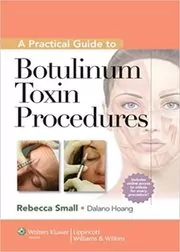
A Practical Guide to Botulinum Toxin Procedures
For qualified clinicians studying cosmetic botulinum toxin procedures under supervision. Its anatomy illustrations and demonstrations offer a focused format beyond general dermatology texts, but the narrow procedural scope and older edition cannot replace supervised training or current protocols.
What it's about
Rebecca Small introduces botulinum toxin procedures for clinicians through anatomical illustrations, photographs, and accompanying demonstrations. The guide covers patient assessment, procedure planning, follow-up, and complications across cosmetic facial applications and treatment of excessive sweating.
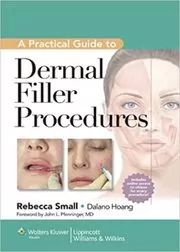
A Practical Guide to Dermal Filler Procedures
For qualified clinicians studying dermal fillers with supervised training. Its anatomical illustrations and procedural demonstrations provide more focused preparation than a general textbook, but the older edition and procedural format require current complication guidance and hands-on instruction.
What it's about
Rebecca Small and Dalano Hoang present an illustrated clinical guide to dermal filler procedures. Chapters connect facial anatomy with patient assessment, injection planning, follow-up care, and recognition of complications, supported by photographs and video demonstrations.
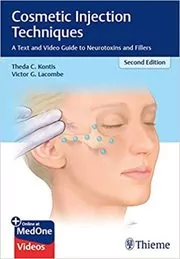
For qualified clinicians who want neurotoxins and fillers discussed together. Its paired text and video format supports visual procedural study, but its cosmetic focus is narrower than general dermatology and reading cannot establish independent procedural competence.
What it's about
Theda Kontis and Victor Lacombe present cosmetic injection techniques using anatomical illustrations, clinical photographs, and video demonstrations. The guide addresses consultation, neurotoxins, fillers, treatment planning, and complications, with material on additional injectable approaches to facial enhancement.
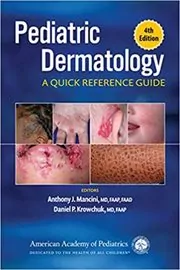
For pediatric clinicians who want concise visual coverage of childhood skin conditions. Its age-specific focus is more immediately relevant than a general atlas for that setting, but its quick-reference format offers less depth than a full pediatric dermatology textbook.
What it's about
Anthony Mancini and Daniel Krowchuk present an illustrated reference to skin conditions affecting children and adolescents. Condition summaries and clinical photographs cover presentation, diagnosis, and treatment, with emphasis on problems encountered in pediatric practice.
Sources
- 1
Additional boards resources
aad.org
- 2
Dermatology Books & Resources
libguides.tulane.edu
- 3
Best Medical School Dermatology Books and Resources
studybuddymd.com
- 4
100 Best Dermatology Books of All Time
shortform.com
- 5
Dermatology Books
goodreads.com
- 6
New Derm Resident Here - Best Textbook: Bolognia or Fitzpatrick?
reddit.com
- 7
Textbook recommendations for potential transition to dermatology
reddit.com
- 8
Health Sciences Textbooks: Dermatology
libraryguides.missouri.edu
- 9
Dermatology: Books & e-Books
guides.uflib.ufl.edu











Edited by
Software engineer whose passion for tracking book recommendations from podcasts inspired the creation of MRB.
Lead investor at 3one4 Capital whose startup expertise and love for books helped shape MRB and its growth.
Comments
Spotted a missing book, a wrong order or a mistake? Tell us and we'll fix this page.
We're a reading guide, not the author or publisher, so we can't send books or pass on messages.