
12 Best College Books
The best college books, ranked by how many expert sources recommend each one, with notes to help students and parents choose guides for fit, admission, and cost.
Our take
Choosing a college involves more than finding an impressive name. These books help students and parents consider academic interests, campus life, admissions, and the cost of an education. Most focus on the United States. Some work as references for comparing schools; others explain how decisions are made or help families discuss what they want from the experience.
A campus guide such as Fiske Guide to Colleges 2027 is useful once you have some preferences to investigate. College Match helps you develop those preferences through reflection and worksheets. Who Gets In and Why explains the institutional pressures behind admissions, while College Admission Essentials focuses on presenting yourself in an application. The Price You Pay for College gives parents a framework for thinking about value, with practical financial details needing current verification. Start with Choosing College if your purpose is still unclear, or College Match if you're ready to build a list.
12 books · 10 sources · Last updated
As an Amazon Associate, we earn from qualifying purchases (at no extra cost to you).
How to choose from this list
Skip to the full rankingIf you need to clarify your reasons for college: Choosing College → College Match
If you want to compare campus environments: Fiske Guide to Colleges 2027 → Colleges That Change Lives
If you want help with your application: Who Gets In and Why → College Admission Essentials
If you need family conversations about cost: The College Conversation → The Price You Pay for College
If you're a Black family weighing fit and belonging: The Black Family's Guide to College Admissions
If prestige is driving too much pressure: Where You Go Is Not Who You'll Be
The 12 books, ranked
Ranked by how many expert sources name each book. Ties go to the book more people recommend.

For families looking beyond famous universities toward smaller undergraduate communities. Its concentrated profiles make unfamiliar options easier to imagine, though the selected schools represent a particular educational philosophy rather than the whole college landscape.
What it's about
Loren Pope profiles forty colleges that emphasize undergraduate learning and personal development. The guide examines their academic approaches, admissions, campus activities, and distinctive communities, encouraging students and families to consider possibilities beyond the most familiar prestigious institutions.

For students and parents overwhelmed by elite-college pressure. Its examples make a broader definition of success easier to consider than rankings do, though reassurance and perspective take precedence over detailed application instructions.
What it's about
Frank Bruni challenges the belief that admission to an elite college determines a student's future. Drawing on interviews and examples of successful graduates, he argues that curiosity, effort, and engagement matter more than a school's prestige.

The Truth about College Admission
A Family Guide to Getting In and Staying Together
For families who want students and parents to approach admissions together. The emphasis on communication and shared expectations distinguishes it from essay manuals, though its broad guidance leaves individual applications and school research to readers.
What it's about
Brennan Barnard and Rick Clark explain college admission while helping families approach it together. Guidance on college lists, visits, applications, and selection accompanies advice for discussing goals, money, and expectations without allowing the process to overwhelm family relationships.

For readers who want to understand the institutional side of admissions decisions. Reporting inside three offices explains competing priorities more concretely than general application tips, though those colleges cannot represent every institution or later policy change.
What it's about
Jeffrey Selingo spends a year inside three college admissions offices to examine how applicants are selected. His reporting explores institutional priorities, financial considerations, and the choices facing students and parents during the admissions process.

The Price You Pay for College
An Entirely New Road Map for the Biggest Financial Decision Your Family Will Ever Make
For parents trying to connect college prices with educational value. The reporting supports more searching family conversations than a scholarship directory, though it does not provide a personalized financial plan or a simple universal answer.
What it's about
Ron Lieber investigates college pricing and the choices families face when weighing higher education. He explores financial aid, institutional value, and the emotional pressures surrounding admissions, offering a framework for deciding what a college experience is worth.

For students who cannot yet explain what they want from a college. The worksheets make personal fit more concrete than broad admissions advice, though completing them thoughtfully takes more effort than browsing campus profiles.
What it's about
Steven Antonoff guides students through identifying their needs, interests, and priorities before comparing colleges. Interactive worksheets help connect personal qualities with school characteristics, turning the college search into a process of finding a suitable educational and social fit.

Paying for College
Everything You Need to Maximize Financial Aid and Afford College
For families who want an organized reference on college aid and financing. It covers practical mechanics more directly than books about prestige or fit, though forms, rules, and figures require checking against the current annual edition.
What it's about
Kalman A. Chany and Geoff Martz explain how families can plan for college costs and navigate financial aid. The guide discusses aid applications, financing choices, and strategies for organizing financial decisions before and during the college years.
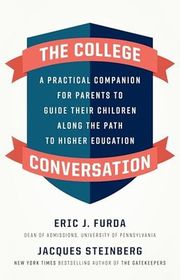
The College Conversation
For parents who want constructive conversations rather than a checklist of admissions tactics. Its staged discussions connect the search with family expectations and the transition to college, though it asks parents to listen and participate actively.
What it's about
A former admissions dean and an education journalist guide parents through discussions with their college-bound children. The book follows the process from discovering priorities through applications, decisions, financial considerations, and the transition into the first year.

For readers who need to clarify why they want further education before selecting a school. Its decision framework reaches beyond traditional residential colleges, though it supplies fewer institution-by-institution comparisons than a directory.
What it's about
Michael Horn and Bob Moesta examine why people choose postsecondary education through accounts of students’ decisions. Their framework identifies different motivations for enrolling and helps readers clarify what they want education to accomplish before selecting a school or another pathway.
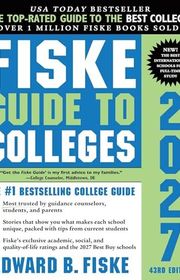
Fiske Guide to Colleges 2027
For students building a college list who want a sense of academic and social atmosphere. The campus narratives offer more texture than rankings alone, though a curated selection cannot cover every institution or individual student's experience.
What it's about
This annual guide profiles colleges through descriptions of academics, student life, and campus character. Student comments, program lists, comparison tools, and admissions and financial information help families identify schools for further research and visits.
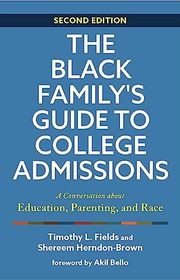
The Black Family's Guide to College Admissions
For Black students and families weighing college choices alongside questions of race and belonging. It addresses concerns that general admissions manuals often treat briefly, though families still need to research each institution's current policies and environment.
What it's about
Two admissions professionals examine college choice through the experiences and concerns of Black families. They discuss school options, the application process, parenting, and race, helping readers consider educational goals and the communities in which students may thrive.

College Admission Essentials
A Step-by-Step Guide to Showing Colleges Who You Are and What Matters to You
For students who need help expressing their values across an application. The brainstorming exercises connect personal reflection to practical writing more directly than admissions reporting, though students must still produce their own examples and drafts.
What it's about
Ethan Sawyer helps students connect their values and experiences with the different parts of a college application. Brainstorming exercises and expert advice support personal statements, activity descriptions, supplemental essays, and interviews, encouraging applicants to explain what matters to them.
Sources
- 1
12 Best College Guides: Must-Read Admissions Books for Parents and Teens
collegetransitions.com
- 2
The 14 Best Books for College Admissions and How to Pay for College (2024)
grownandflown.com
- 3
college.u resources and books | Dane Copeland, IEC, College Counselor
collegeu.solutions
- 4
Best College Admissions Books and Resources 2026
collegewiz.com
- 5
The Best College Admissions Books (26 books)
goodreads.com
- 6
AdmissionsMom's Summer Book Club -- Come Read With Me!!!
reddit.com
- 7
Resources and Recommended Reading
buacademy.org
- 8
Recommended Reading St. John's School
sjs.org
- 9
Recommended books or guides?
reddit.com
- 10
Strategies for College Admissions Advising
extension.berkeley.edu





Edited by
Software engineer whose passion for tracking book recommendations from podcasts inspired the creation of MRB.
Lead investor at 3one4 Capital whose startup expertise and love for books helped shape MRB and its growth.
Comments
Spotted a missing book, a wrong order or a mistake? Tell us and we'll fix this page.
We're a reading guide, not the author or publisher, so we can't send books or pass on messages.