
Year of the Sword Books in Order
Part ofDakota Krout Books in OrderBrowse the Year of the Sword books by Dakota Krout in order, with short summaries, series background, and a quick guide to the trilogy.
Last updated:
As an Amazon Associate, we earn from qualifying purchases (at no extra cost to you).
Year of the Sword books in publication order
3 books

Dokeshi March
by Dakota Krout
2022
By the third book, the farmhand's path has become something much more dangerous. Old effort starts paying off, but every gain brings tougher enemies and decisions that can shape the rest of his rise.
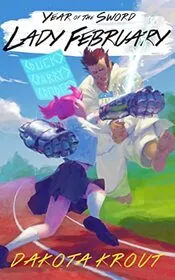
Lady February
by Dakota Krout
2022
The climb continues as the young cultivator faces stronger rivals and wider consequences than he expected. What began as survival starts turning into a real test of discipline, cunning, and ambition.
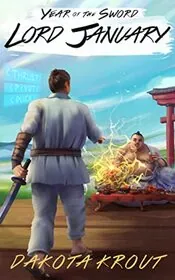
Lord January
by Dakota Krout
2022
A farmhand takes his first steps toward becoming a cultivator in a world where strength decides everything. It is a classic rise story, with hard lessons, dangerous enemies, and power that must be earned.
Year of the Sword books in chronological order
Series background & context
Year of the Sword is a tighter, more focused cultivation story than some of Dakota Krout's longer sprawl-heavy series. The setup is simple in the best way: a young man starts as a farmhand and begins the climb toward real power. From there, the books follow the classic pleasure of progression fantasy, watching somebody with humble beginnings learn, struggle, and push upward through talent, effort, and a lot of stubborn persistence.
It is a rise story, plain and simple.
The monthly titles, Lord January, Lady February, and Dokeshi March, give the trilogy a neat shape. They make the series feel seasonal and deliberate, as if each book marks another stage in the hero's education and another stretch of road between obscurity and strength. That works well for a cultivation fantasy, because the whole appeal is gradual advancement. Readers are meant to feel each improvement, each setback, and each new obstacle that proves the previous win was only the beginning.
The world itself leans more toward martial growth, training, and personal advancement than toward giant game menus or sprawling side systems. There are still structured power mechanics, because Krout rarely loses interest in how a world works, but the tone here is a little cleaner and more mythic. The emphasis is on what the protagonist can become, what he is willing to endure, and how a nobody learns to stand in rooms built for people far above his station.
That does not mean the books are solemn. Krout still brings some mischief to the page, and the hero's climb is not just a straight line of grim suffering. There are clever turns, pressure from stronger enemies, and the satisfying rhythm of watching a character earn one small breakthrough and then realize how much farther there is to go.
Because it is only a trilogy, the series also has a different pace from Krout's more open-ended universes. It gets to the point quickly. That makes it a nice option for readers who want progression fantasy and cultivation without signing up for a massive reading project. You still get training, conflict, rank climbing, and power growth, but in a more compact package.
If you like fantasy that starts close to the ground and builds upward through grit and discipline, Year of the Sword is easy to recommend. It has the feel of a classic rise from humble origins, told by a writer who loves structured advancement and knows how satisfying it is to watch a character go from ordinary to dangerous one hard lesson at a time.


Edited by
Software engineer whose passion for tracking book recommendations from podcasts inspired the creation of MRB.
Lead investor at 3one4 Capital whose startup expertise and love for books helped shape MRB and its growth.
Comments
Did we miss something? Have feedback?
Help us improve this page by sharing your thoughts