
Yasmin Khan Books in Order
Explore Yasmin Khan's books in order, with quick summaries, simple where-to-start guidance, and background on the food, travel, and culture behind her writing.
Last updated:
As an Amazon Associate, we earn from qualifying purchases (at no extra cost to you).
Yasmin Khan books in publication order
4 books
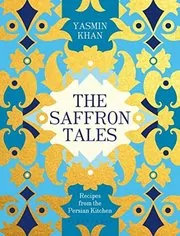
The Saffron Tales
by Yasmin Khan
2016
Yasmin Khan travels across Iran, drawing on memories of her family’s farm in Gilan and visits to home kitchens. More than 80 accessible recipes sit alongside portraits of everyday life, from fragrant rice dishes to bright herb-filled salads.
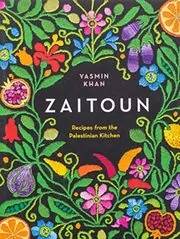
Zaitoun
by Yasmin Khan
2018
Khan travels through Palestine, from Akka and the Jordan Valley to Gaza City, meeting cooks and collecting the stories behind their food. The book pairs more than 80 approachable recipes with a close look at Palestinian culture, hospitality, and daily life.
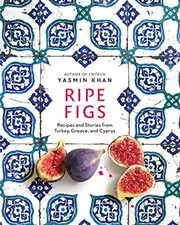
Ripe Figs
by Yasmin Khan
2021
A journey through Turkey, Greece, and Cyprus, this cookbook follows ingredients and food traditions shaped by trade, migration, and shared borders. Khan brings together vegetable-forward Eastern Mediterranean recipes with stories from kitchens, islands, and communities across the region.
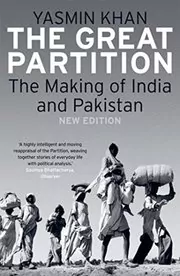
The Great Partition
by Yasmin Khan
Yasmin Khan examines the creation of India and Pakistan in 1947 through political decisions and ordinary people’s experiences. Using interviews, newspapers, and archives, she traces the division’s implementation, violence, displacement, and lasting social consequences.
Where to start with Yasmin Khan
For Persian recipes and stories from Iran: The Saffron Tales
For Palestinian food and travel writing: Zaitoun
For Eastern Mediterranean cooking: Ripe Figs
Yasmin Khan collections, short stories, and related book types
Cookbooks
Standalone Yasmin Khan books
Author bio
Yasmin Khan is a British food and travel writer, broadcaster, and former human rights campaigner whose books use recipes as a way into bigger conversations about place, memory, and everyday life. She was born in Croydon, London, to a Pakistani father and Iranian mother, and grew up in Birmingham.
Her route to food writing was not a straight line. Khan studied law at the University of Sheffield, then completed a master's degree in social policy and planning at the London School of Economics. She spent around a decade working in human rights, with a particular focus on the Middle East, before turning her attention to writing about food.
That earlier work still shapes the questions she brings to the table. Rather than treating food as separate from the people who make it, Khan looks at the homes, markets, family histories, migrations, and political pressures behind a dish. Her writing makes room for pleasure and appetite, but it also asks readers to pay attention.
Her first cookbook, The Saffron Tales, grew from travels through Iran and memories of her family's farm in Gilan, a province beside the Caspian Sea. Khan moves between Tehran cafés, orchards, mountain towns, and home kitchens, gathering recipes while introducing the people who shared them. Readers come for dishes such as saffron rice, stews, salads, and sweets, then find a warm, practical guide to the many regional traditions of Persian cooking.
Food is never just fuel in these books.
With Zaitoun, Khan traveled through Palestine, visiting cooks in places including Akka, the Jordan Valley, and Gaza City. The book brings together Palestinian recipes with conversations and travel stories that show how much food can carry: family ties, hospitality, grief, work, and a sense of home. It is useful in the kitchen, but it also gives readers a fuller picture of the people and places behind the ingredients.
Her third book, Ripe Figs, widens the journey to the eastern Mediterranean, including Turkey, Greece, and Cyprus. Here Khan follows ingredients and cooking traditions shaped by trade, movement, and shared coastlines. The recipes lean into herbs, citrus, tahini, vegetables, grains, and fruit, with stories that consider what borders and migration mean in daily life.
Khan's books work especially well for home cooks who like clear recipes but want more than a list of instructions. She returns often to generous, unfussy food, market ingredients, family kitchens, and the connections between culture and politics. The writing is inviting without smoothing over the hard parts of the regions she visits.
She lives in London and works across books, broadcasting, journalism, and public conversations. Her career has moved through law, campaigning, travel, and cooking, but the thread running through it is steady: listen closely to people, and let their stories be heard.






Edited by
Software engineer whose passion for tracking book recommendations from podcasts inspired the creation of MRB.
Lead investor at 3one4 Capital whose startup expertise and love for books helped shape MRB and its growth.
Comments
Did we miss something? Have feedback?
Help us improve this page by sharing your thoughts