
Women and The Holocaust Books in Order
Part ofEllie Midwood Books in OrderSee the Women and The Holocaust books by Ellie Midwood in order, with quick summaries, series background, and help choosing where to start.
Last updated:
As an Amazon Associate, we earn from qualifying purchases (at no extra cost to you).
Women and The Holocaust books in publication order
3 books
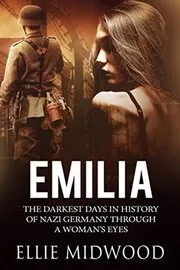
Emilia
by Ellie Midwood
2016
Emilia is a young Jewish woman whose life narrows from ghetto streets to the camps. Faced with brutal choices, she fights to protect herself and the people she loves without losing the last pieces of herself.
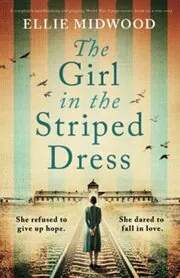
The Girl in the Striped Dress
by Ellie Midwood
2019
Helena arrives at Auschwitz expecting death, but a guard's impulsive choice spares her life. Their forbidden bond unfolds inside the camp, where survival, guilt, and love are painfully entangled.
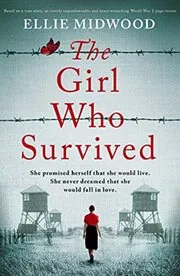
The Girl Who Survived
by Ellie Midwood
2019
Deported to the Minsk ghetto, young Ilse joins the underground and clings to life. Then an impossible bond with a German officer forces her to weigh love, survival, and betrayal.
Women and The Holocaust books in chronological order
Series background & context
The Women and The Holocaust books are linked by subject, tone, and moral weight more than by one continuing plot. Each novel follows a woman caught inside Nazi persecution, and each one looks closely at how survival works in places where the rules have already collapsed. These are intimate stories, but they sit inside some of the biggest horrors of the twentieth century.
The first book, Emilia, follows a young Jewish woman whose life shrinks from ordinary routines into the violence of ghettoization, imprisonment, and camp life. Midwood keeps the focus tight on Emilia's point of view, which makes the book feel personal and immediate. The question running underneath it is simple and brutal: what does a person have to do to stay alive, and what does that cost afterward?
In The Girl Who Survived, the setting shifts to the Minsk ghetto. Ilse Stein is young, frightened, and quickly pulled into the daily work of staying alive, finding food, and helping where she can. Resistance matters here, but so do the smaller, quieter acts that keep people going. The emotional center of the book is a bond that should not be possible, between a Jewish prisoner and a German officer, and Midwood uses that tension to ask hard questions about survival, complicity, and love in a world built on terror.
These are not tidy survival tales.
The third book, The Girl in the Striped Dress, returns to Auschwitz and tells a story shaped by chance, coercion, and a relationship that should never have had room to grow. Like the other books in the series, it is interested in moral gray areas without pretending the setting itself is gray. The camps, the ghettos, the guards, the hunger, and the constant threat of death remain painfully clear. What changes from book to book is the path each woman takes through that world.
Across the series, Midwood keeps coming back to women who are forced to think fast, adapt, and carry impossible memories. The protagonists are not symbols. They are frightened, stubborn, damaged, hopeful, and often contradictory. That is part of what gives these books their pull. They are not only about what happened to women during the Holocaust, but also about how individual lives kept going inside machinery built to erase them.
If you pick up this series, expect emotional historical fiction with a strong sense of place and a willingness to sit with difficult choices. The books are dark, but they are not empty. What links them most is the belief that even in the worst conditions, people still make choices for one another, and those choices matter.



Edited by
Software engineer whose passion for tracking book recommendations from podcasts inspired the creation of MRB.
Lead investor at 3one4 Capital whose startup expertise and love for books helped shape MRB and its growth.
Comments
Did we miss something? Have feedback?
Help us improve this page by sharing your thoughts