
William Shakespeare Books in Order
Explore William Shakespeare's plays, poems, and collections in order, with short summaries, background on his career, and simple guidance on the best places to start.
Last updated:
As an Amazon Associate, we earn from qualifying purchases (at no extra cost to you).
William Shakespeare books in publication order
49 books
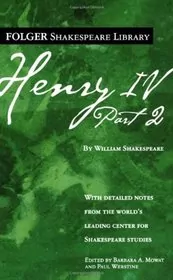
Henry IV, Part 2
by William Shakespeare
1590
In Henry IV, Part 2, civil unrest lingers and King Henry grows weaker while Hal still wanders with Falstaff. Their final parting and Henry's death mark the painful moment when charm, nostalgia, and youth give way to rule.
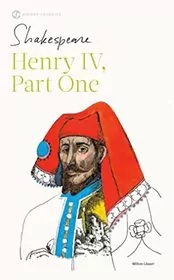
Henry IV, Part I
by William Shakespeare
1590
Henry IV, Part 1 balances court politics with tavern mischief as King Henry faces rebellion and his wayward son Hal drinks with Falstaff. The play tracks Hal's uneasy path from irresponsible prince to potential wartime leader.
King John
by William Shakespeare
1590
King John fights to hold his crown against foreign armies and rival claimants while nobles weigh loyalty against survival. A sardonic illegitimate knight watches events unfold in this tense history of oaths, propaganda, and fragile power.
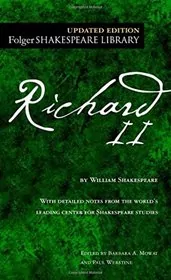
Richard II
by William Shakespeare
1590
Richard II opens the great sequence of history plays by tracing how a poetic, ceremonial king loses the throne to his cousin Bolingbroke. It explores the mystery of kingship, public image, and what happens when a ruler is unmade.
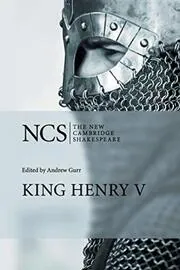
Henry V
by William Shakespeare
1591
Newly confident King Henry V leads England into war in France, facing political doubts at home and impossible odds abroad. From council chambers to the field of Agincourt, the play weighs patriotic rhetoric against the human price of victory.
Recommended by
1 person Jocko Willink recommended this book
Jocko Willink
Jocko Willink covered this book in "Jocko Podcast" Ep. 15
Jocko Willink's recommendation of this book
Troilus and Cressida
by William Shakespeare
1592
Set during the Trojan War, this play intertwines the fragile love between Troilus and Cressida with scheming among Greek and Trojan heroes. It offers a darkly comic, skeptical look at romance, reputation, and the true cost of glory.
Coriolanus
by William Shakespeare
1593
War hero Caius Marcius Coriolanus wins glory on the battlefield but scorns the ordinary citizens whose votes he needs. His pride drives him into exile and toward Rome's enemies in this austere political tragedy about class and honor.
The Tempest
by William Shakespeare
1593
Shipwrecked nobles wash ashore on a mysterious island ruled by Prospero, a magician and usurped duke. As spirits obey his commands, he engineers revenge, romance, and finally forgiveness in this blend of fantasy, politics, and family drama.
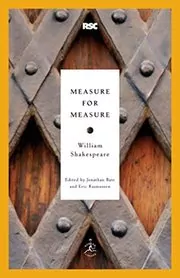
Measure for Measure
by William Shakespeare
1594
Vienna's Duke hands power to his strict deputy Angelo, who begins enforcing long-ignored morality laws. When he condemns Claudio and then propositions Claudio's sister Isabella, questions of justice, mercy, and hypocrisy take center stage.
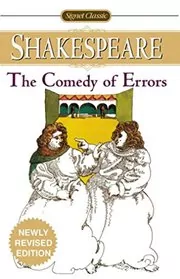
The Comedy of Errors
by William Shakespeare
1594
Two sets of long-separated twins unexpectedly meet in the same city, causing a whirlwind of mistaken arrests, broken marriages, and comic confusion. This brief farce races toward joyful recognition and reunion.
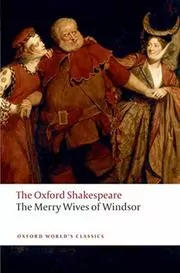
The Merry Wives of Windsor
by William Shakespeare
1594
The roguish Sir John Falstaff tries to court two respectable wives at once, hoping to plunder their husbands' purses. The women turn the tables with elaborate pranks in this lively suburban comedy of jealousy and revenge.
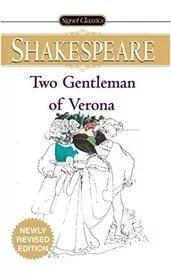
The Two Gentlemen of Verona
by William Shakespeare
1594
Best friends Valentine and Proteus leave Verona for court, where both fall for the same woman, Silvia. Broken vows, disguise, and a band of outlaws test friendship and forgiveness in an early romantic comedy.
Titus Andronicus
by William Shakespeare
1594
Roman general Titus Andronicus returns from war with captured enemies and a thirst for vengeance. One violent act triggers a horrific chain of revenge between Titus and Queen Tamora, making this Shakespeare's bloodiest and most unsettling tragedy.
A Midsummer Night's Dream
by William Shakespeare
1595
Four runaway lovers, feuding fairies, and a group of amateur actors collide in a moonlit forest outside Athens. Enchantments, mistakes, and a play-within-a-play create one of Shakespeare's lightest, most magical comedies.
Love's Labour's Lost
by William Shakespeare
1595
A king and his friends swear to shun women and devote themselves to study, only for a visiting princess and her ladies to overturn their plans. Packed with verbal fireworks, the play ends on an unexpectedly thoughtful, unresolved note.
Much Ado About Nothing
by William Shakespeare
1595
In sunny Messina, sharp-witted Beatrice and Benedick trade insults while younger lovers Claudio and Hero plan a wedding. Lies and staged scenes nearly wreck both couples before truth and some theatrical trickery set things right.
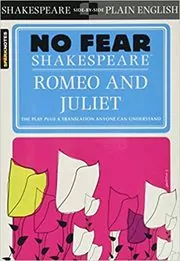
Romeo and Juliet
by William Shakespeare
1595
In Verona, teenagers Romeo and Juliet fall in love across a bitter family feud and marry in secret. Misunderstandings and impulsive choices drive this fast, lyrical tragedy about passion, loyalty, and the cost of inherited hatred.
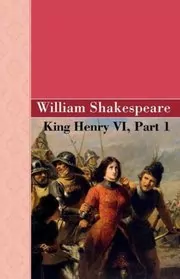
Henry VI, Part 1
by William Shakespeare
1596
Henry VI, Part 1 looks back to England's fading victories in France, featuring Joan of Arc and the warrior Talbot. While foreign battles rage, rival nobles at home begin the quarrels that will erupt into the Wars of the Roses.
Timon of Athens
by William Shakespeare
1596
Timon of Athens spends freely on so-called friends, only to be abandoned when his fortune collapses. His retreat into rage and isolation turns this unusual tragedy into a bitter fable about money, gratitude, and human ingratitude.
Henry VI, Part 2
by William Shakespeare
1597
Henry VI, Part 2 charts the collapse of King Henry's authority as rival nobles and Queen Margaret fight for control. Popular uprisings, betrayals, and York's rising claim set the stage for full-scale civil war.
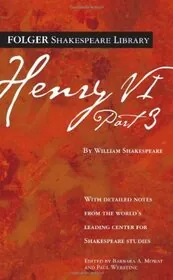
Henry VI, Part 3
by William Shakespeare
1597
In Henry VI, Part 3, the Wars of the Roses erupt into brutal open conflict between York and Lancaster. Shifting alliances, battlefield reversals, and the ruthless rise of Richard plant the seeds for the tyranny of Richard III.

Henry VIII
by William Shakespeare
1597
Henry VIII dramatizes the Tudor court as kings, queens, and churchmen fight over power and conscience. Court pageantry frames the fall of Cardinal Wolsey, Henry's break with Rome, and the fraught politics around his marriages.
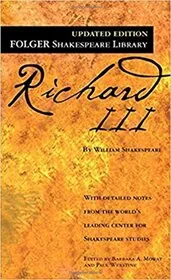
Richard III
by William Shakespeare
1597
Richard, Duke of Gloucester, schemes and murders his way toward the English throne with chilling charm. The play pulls audiences inside his plots even as the consequences of his cruelty finally turn against him.
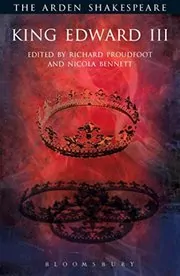
Edward III
by William Shakespeare
1598
This little-known history play follows King Edward III through battles in Scotland and France and a dangerous infatuation with the Countess of Salisbury. It blends patriotic warfare, chivalric ideals, and the limits of a ruler's desire.
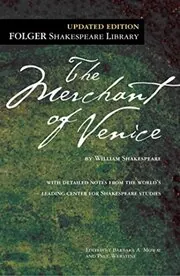
The Merchant of Venice
by William Shakespeare
1598
In Venice, merchant Antonio borrows money from the Jewish lender Shylock under a deadly bond so his friend can woo an heiress. The play moves from romantic comedy to sharp courtroom drama around mercy, prejudice, and justice.
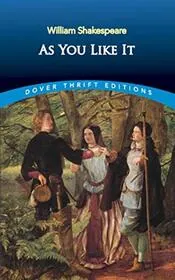
As You Like It
by William Shakespeare
1599
Banished from court, Rosalind escapes to the Forest of Arden disguised as a young man and meets her lovestruck friend Orlando there. The woods become a playground for wordplay, music, and tangled romances before everything resolves in celebration.
Julius Caesar
by William Shakespeare
1599
In ancient Rome, senators fear Julius Caesar's growing power and draw his friend Brutus into a deadly conspiracy. The play tracks the assassination, its fallout, and the clash between idealism, loyalty, and the sway of public opinion.
The Taming of the Shrew
by William Shakespeare
1599
Boisterous Petruchio sets out to woo and tame sharp-tongued Katherina, while younger suitors scheme to win her sister. This vigorous early comedy mixes slapstick, courtship games, and uncomfortable questions about marriage and power.
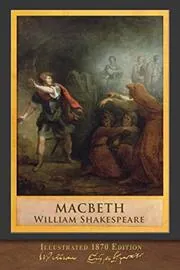
Macbeth
by William Shakespeare
1600
Victorious soldier Macbeth hears a prophecy that he will be king and, urged on by Lady Macbeth, seizes the crown through bloodshed. Supernatural visions and mounting paranoia haunt this tight, relentless study of ambition and guilt.
Recommended by
1 person J.K. Rowling recommended this book
J.K. Rowling
"Possibly my favorite Shakespeare play" - J.K. Rowling
J.K. Rowling's recommendation of this book
Hamlet
by William Shakespeare
1603
When the ghost of his father demands revenge, Prince Hamlet struggles to prove a murder and decide how far he is willing to go. The play blends court intrigue, dark humor, and searching questions about action, doubt, and death.
Recommended by
2 people Naval Ravikant recommended this book
Naval Ravikant
"If I'm going to read fiction, might as well start at the top." - Naval Ravikant
Naval Ravikant's recommendation of this book  Ryan Holiday recommended this book
Ryan Holiday
"Philosophy runs through this play." - Ryan Holiday
Ryan Holiday's recommendation of this book
All's Well That Ends Well
by William Shakespeare
1604
Helena, a physician's daughter, cures the king of France and claims the aloof Bertram as her husband, only for him to flee the match. Through persistence, wit, and risky disguises, she forces everyone to reckon with promises and consent.
King Lear
by William Shakespeare
1605
Aging King Lear divides his realm among his daughters, rewarding flattery and banishing honesty. As loyalties crack and storms rage, the play follows Lear's descent from power into madness and the brutal cost of pride.
Recommended by
1 person Steve Jobs recommended this book
Steve Jobs
"I loved [this book]." - Steve Jobs
Steve Jobs's recommendation of this book
Othello
by William Shakespeare
1605
Othello, a respected general, secretly marries Desdemona and earns the quiet hatred of his ensign, Iago. Through careful lies and planted doubts, Iago turns Othello's love into corrosive jealousy with tragic consequences.
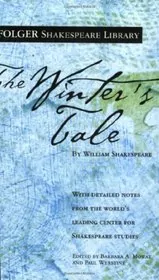
The Winter's Tale
by William Shakespeare
1605
King Leontes suddenly suspects his pregnant wife Hermione of betrayal and tears his family and kingdom apart. Years later, shepherds, lost children, and a long-planned reunion pull this tale from stark jealousy toward forgiveness and renewal.
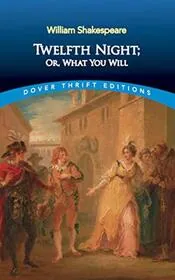
Twelfth Night
by William Shakespeare
1605
After a shipwreck, Viola disguises herself as the page Cesario and serves Duke Orsino, only to be caught in a tangle of mistaken identities and unrequited love. Twelfth Night mixes sharp comedy with a bittersweet look at desire.
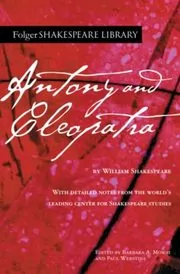
Antony and Cleopatra
by William Shakespeare
1606
Roman leader Mark Antony is torn between duty to Rome and his consuming love for Cleopatra, queen of Egypt. Their affair unfolds against shifting alliances and looming war, where private passion collides with imperial ambition.
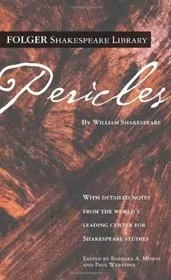
Pericles
by William Shakespeare
1606
Prince Pericles flees a dangerous royal court and wanders the Mediterranean, surviving storms, shipwrecks, and separation from his family. The story moves from peril to wonder, ending in moving scenes of recognition and hard-won joy.
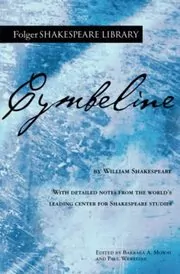
Cymbeline
by William Shakespeare
1610
In ancient Britain, Princess Imogen secretly marries the lowborn Posthumus and is separated from him by a furious king. A cruel wager on her fidelity sets off disguises, kidnappings, and war with Rome in this twisting late romance.
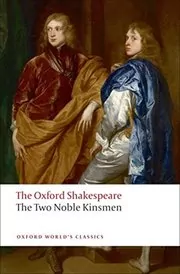
The Two Noble Kinsmen
by William Shakespeare
1634
Cousins Palamon and Arcite are captured in war, then both fall in love with the same woman, Emilia. Their fierce rivalry tests loyalty, honor, and fate in a late tragicomedy inspired by Chaucer's The Knight's Tale.

Shakespeare: Poems
by William Shakespeare
1958
Shakespeare: Poems selects sonnets, narrative poems like Venus and Adonis and The Rape of Lucrece, plus songs and famous speeches. This compact collection offers a focused way to experience Shakespeare as a poet as well as a playwright.

The Prince's Choice
by William Shakespeare
1995
This anthology gathers some of Shakespeare's most famous speeches and scenes, personally selected by the then Prince of Wales. It offers a curated tour through the comedies, histories, and tragedies, highlighting memorable moments and characters.

The Complete Sonnets of William Shakespeare
by William Shakespeare
2000
The Complete Sonnets of William Shakespeare presents all 154 sonnets together, often with additional verse such as A Lover's Complaint. It lets readers follow the shifting story of desire, time, friendship, and art across the full sequence.

William Shakespeare
by William Shakespeare
2000
This Poetry for Young People volume gathers sonnets and key speeches from plays such as Romeo and Juliet, Hamlet, and Macbeth. Brief introductions and paintings help middle-grade readers hear Shakespeare's voice and see the drama behind each poem.

The Complete Works
by William Shakespeare
2005
The Complete Works brings together Shakespeare's entire canon in one volume, including the comedies, tragedies, histories, narrative poems, and sonnets. It is a single reference for reading or browsing his plays and poetry in any order.

Poetry for Kids
by William Shakespeare
2018
Poetry for Kids: William Shakespeare introduces children to more than thirty of his sonnets, speeches, and brief scenes. Short notes and full-color art help young readers connect with the language, characters, and big feelings in each piece.

Shakespeare's First Folio: All The Plays
by William Shakespeare
2024
Shakespeare's First Folio: All The Plays adapts the thirty-six First Folio plays into short versions designed for children to read or perform. Using Shakespeare's own words, each abridgment keeps key scenes while lively illustrations support young actors.
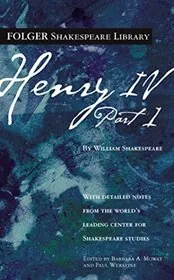
Henry IV, Part 1
by William Shakespeare
King Henry faces rebellion while his son Prince Hal spends his time with Falstaff and other disreputable companions. The contrast between Hal and the admired Hotspur frames a struggle over honor, inheritance, and the demands of kingship.
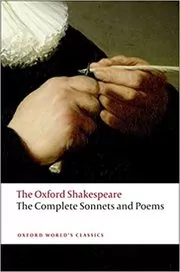
The Complete Sonnets and Poems
by William Shakespeare
This edition gathers Shakespeare's sonnets and narrative poems, including Venus and Adonis and The Rape of Lucrece. Modernized spelling, annotations, and critical introductions illuminate their language, literary sources, publication history, and treatment of love and desire.
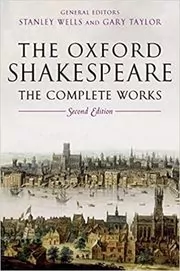
The Oxford Shakespeare
by William Shakespeare
This collected edition presents Shakespeare's plays and poems with scholarly introductions and supporting material. Its revised second edition includes Edward III and Shakespeare's contribution to Sir Thomas More, reflecting research into his writing and theatrical collaborations.
Recommended by
8 people Shah Rukh Khan recommended this book
Shah Rukh Khan
"Everyone should read some of [this author]... It's important..." - Shah Rukh Khan
Shah Rukh Khan's recommendation of this book - J.K. Rowling recommended this book
J.K. Rowling
One of J.K. Rowling's answers to "If you could bring only three books to a desert island, which would you pack?"
J.K. Rowling's recommendation of this book  Barack Obama recommended this book
Barack Obama
On the "favorite books" section of Barack Obama's Facebook profile.
Barack Obama's recommendation of this book  Stewart Brand recommended this book
Stewart Brand
Stewart Brand recommended this book on his "Selected Books for the Manual for Civilization" blog post.
Stewart Brand's recommendation of this book  Ricardo Semler recommended this book
Ricardo Semler
"Has all of the human traits; if you look somewhere you will find it, either in King Lear or Hamlet or Macbeth; it’s there." - Ricardo Semler
Ricardo Semler's recommendation of this book  Christopher Hitchens recommended this book
Christopher Hitchens
Christopher Hitchens mentioned Shakespeare's work in the "Hitch-22" book.
Christopher Hitchens's recommendation of this book +2
More recommendations
- Fred Wilson
Fred Wilson recommended this book on his blog.
- Mark Twain
Mark Twain recommended this book in a letter.
- Fred Wilson
Where to start with William Shakespeare
If you want a first taste of the big tragedies: Hamlet → Macbeth → King Lear
If you prefer witty romantic comedies: A Midsummer Night's Dream → Much Ado About Nothing → Twelfth Night
If you're curious about the history plays: Richard II → Henry IV, Part 1 → Henry IV, Part 2 → Henry V
If you like politics in ancient Rome: Julius Caesar → Antony and Cleopatra → Coriolanus
William Shakespeare collections, short stories, and related book types
Comedy Plays
History Plays
Tragedy Plays
Collections
Standalone William Shakespeare books
Author bio
William Shakespeare was born in Stratford-upon-Avon, a small market town in Warwickshire, in April 1564 and baptized there on April 26. He grew up the son of John Shakespeare, a glove maker and town official, and Mary Arden, whose family owned farmland nearby.
As the child of an ambitious tradesman, he likely attended the local grammar school, where boys spent long days on Latin grammar, rhetoric, and classical authors. No attendance records survive, but the range of stories, sources, and jokes in his plays points to a solid humanist education.
At eighteen he married Anne Hathaway, who lived in a village just outside Stratford. Within a few years they had three children, Susanna and the twins Hamnet and Judith. Hamnet died young, a loss some readers sense echoing through the grief and broken families in later works.
After that, the records fall mostly silent until he turns up in London in the early 1590s as a working playwright and actor.
By then he was writing for and performing with the Lord Chamberlain's Men, the company that later became the King's Men under King James I. He was not only their principal playwright but also a shareholder, with a financial stake in playhouses such as the open‑air Globe and the indoor Blackfriars Theatre. That mix of art and business helped give him unusual stability for a writer of his time.
Over roughly two decades he created a body of work that ranges from lively comedies and English history plays to the major tragedies and the late, dreamlike romances. Audiences still meet young lovers in Romeo and Juliet, witty sparring partners in Much Ado About Nothing and Twelfth Night, tormented figures in Hamlet, Othello, and King Lear, and a magician preparing to give up his art in The Tempest.
Alongside the plays he wrote two long narrative poems, Venus and Adonis and The Rape of Lucrece, and a sequence of 154 sonnets that move between friendship, desire, jealousy, and the fear of time. Many of the phrases and images from these poems and plays have slipped quietly into everyday English, often quoted by people who do not realize they are speaking his lines.
Across all of that writing, he keeps coming back to power, family, and the way love and ambition entangle people in choices they can barely control.
By about 1613 Shakespeare had largely stepped back from daily work in the London theatres and spent more time in Stratford, where he owned a substantial house and other property. He died there on April 23, 1616, and was buried in Holy Trinity Church, not far from where he had been baptized. A few years later, friends and fellow actors John Heminges and Henry Condell gathered his plays into the collection now known as the First Folio. That single volume preserved many works that might otherwise have been lost, and it is one reason readers and performers around the world can still keep discovering new things in his stories.



Edited by
Software engineer whose passion for tracking book recommendations from podcasts inspired the creation of MRB.
Lead investor at 3one4 Capital whose startup expertise and love for books helped shape MRB and its growth.
Comments
Did we miss something? Have feedback?
Help us improve this page by sharing your thoughts