
William Goldman Books in Order
Explore William Goldman books in order, with quick summaries, film and novel highlights, related series links, and clear advice on where to start.
Last updated:
As an Amazon Associate, we earn from qualifying purchases (at no extra cost to you).
William Goldman books in publication order
29 books
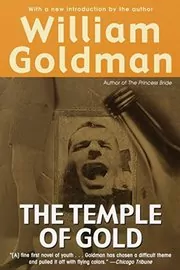
The Temple of Gold
by William Goldman
1957
Ray Trevitt wants a bigger life than the one waiting for him in the Midwest, but love, ambition, and adulthood keep shifting the target. Goldman's first novel is a restless coming-of-age story about trying to matter.
Soldier in the Rain
by William Goldman
1961
Set at a peacetime Army camp, this early novel follows an unlikely friendship between two enlisted men as jokes and hustle give way to loneliness and need. Goldman finds both comedy and real tenderness in barracks life.
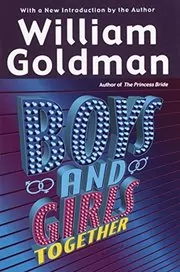
Boys and Girls Together
by William Goldman
1964
Five young people head toward New York carrying big plans, bad luck, and more damage than they admit. Goldman uses their crossed lives to show how ambition, sex, and the city can wear people down.
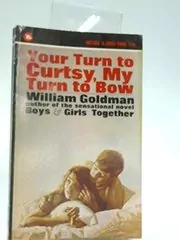
Your Turn to Curtsy, My Turn to Bow
by William Goldman
1966
Goldman focuses on a teenage boy stumbling through first love, longing, and the confusion of growing up. It is short, intimate, and full of the awkward intensity of wanting more than you can name.

The Thing of It Is
by William Goldman
1967
Amos McCracken has written a hit song, but success does nothing to simplify his marriage or his sense of himself. Goldman turns domestic trouble into a sharp, uneasy novel about ego, love, and drift.
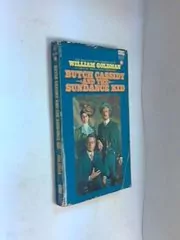
Butch Cassidy and the Sundance Kid
by William Goldman
1968
Goldman's Oscar-winning screenplay gives the famous outlaws wit, melancholy, and a real friendship at the center. It is funny until it is not, and it knows the West is running out of room.
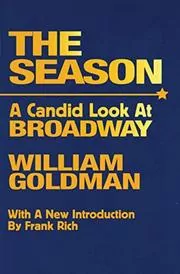
The Season
by William Goldman
1969
Goldman spends the 1967 to 1968 Broadway season watching shows rise and fail, then writes about the money, ego, craft, and backstage politics around them. It is reporting, gossip, and criticism all at once.
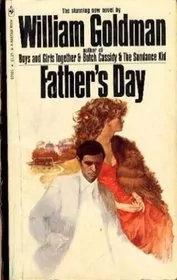
Father's Day
by William Goldman
1970
In this sequel to The Thing of It Is, a divorced Amos McCracken spends a day with his daughter while his work and personal life wobble around him. Goldman keeps the scale small and the emotional pressure high.
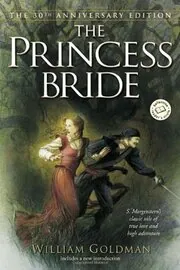
The Princess Bride
by William Goldman
1973
Part fairy tale, part comic fake abridgment, this novel follows Buttercup, Westley, swordsmen, schemers, and one unforgettable revenge quest. Goldman plays every adventure trope straight and sideways at the same time.
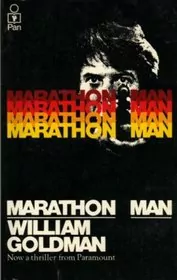
Marathon Man
by William Goldman
1974
Babe Levy is a Columbia graduate student and marathon runner who thinks his life is ordinary until a Nazi fugitive and shadowy agents close in. Goldman's thriller turns family loyalty and historical horror into relentless suspense.
Wigger
by William Goldman
1974
After losing her parents and the blanket that helps her feel safe, a little girl begins an adventure that is both sad and hopeful. Goldman's rare children's book treats grief seriously without losing its sense of wonder.
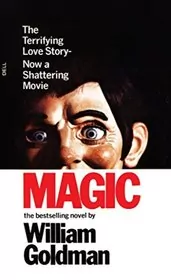
Magic
by William Goldman
1976
Corky Withers becomes a star when he teams up with a filthy-minded ventriloquist's dummy named Fats, but success brings him close to collapse. The novel works as both backstage drama and unnerving psychological horror.
Story Of A Bridge Too Far
by William Goldman
1977
Part war history, part production companion, this book walks through Operation Market Garden and the challenge of turning it into a large-scale film. Goldman is interested in both the battle and the storytelling problem.
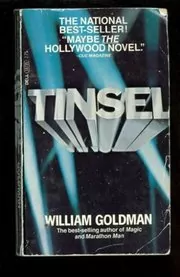
Tinsel
by William Goldman
1979
Hollywood is the stage for this multi-character novel about fame, desire, and the way the movie business chews through people's hopes. Goldman keeps the glamour in view, but he is more interested in the damage underneath.
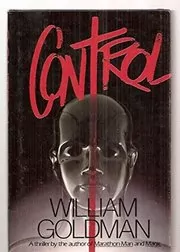
Control
by William Goldman
1982
A government experiment aimed at changing the future by tampering with the past spirals into a tense, strange thriller. Goldman mixes police work, paranoia, and time-travel ideas without ever letting the danger feel distant.
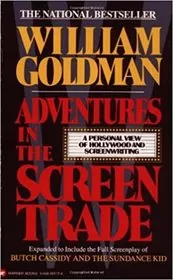
Adventures in the Screen Trade
by William Goldman
1983
Goldman opens up Hollywood from the writer's chair, mixing war stories, blunt advice, and a practical look at how scripts become movies. It is funny, skeptical, and still useful for anyone curious about screenwriting.
Recommended by
2 people Andrew Klavan recommended this book
Andrew Klavan
"Still one of the great books on Hollywood." - Andrew Klavan
Andrew Klavan's recommendation of this book  Preet Bharara recommended this book
Preet Bharara
"Spectacular book." - Preet Bharara
Preet Bharara's recommendation of this book
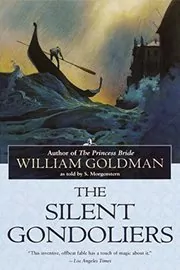
The Silent Gondoliers
by William Goldman
1983
In a playful tale signed by Goldman's imaginary S. Morgenstern, tone-deaf Luigi dreams of becoming a true Venetian gondolier. The story explains why gondoliers stopped singing, and it does it with charm and melancholy.
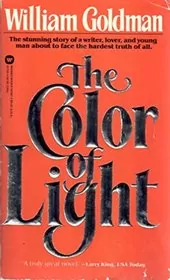
The Colour of Light
by William Goldman
1984
Charles Fuller grows from damaged college writer into published novelist, carrying family grief and fresh losses with him. One of Goldman's most personal books, it follows the messy cost of turning life into material.
Edged Weapons / Heat
by William Goldman
1985
Nick Escalante is a Las Vegas chaperone, knife expert, and gambler trying to earn enough money to leave town for good. When a friend is brutally attacked, his private code pulls him into mob trouble and worse odds.
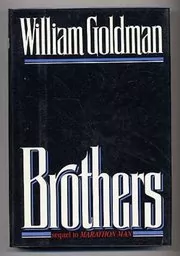
Brothers
by William Goldman
1986
Years after Marathon Man, Babe Levy is still living with the damage when his brother's world pulls him back toward espionage and danger. The sequel is stranger, darker, and built around family ties that never stay buried.

No Way to Treat a Lady
by William Goldman
1989
A killer who hides behind costumes stalks women across New York, turning the city into a theater of nerves and disguise. Goldman builds the novel around a smart, nasty game of pursuit and performance.
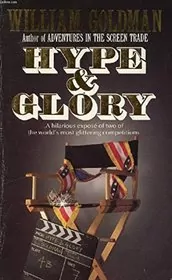
Hype and Glory
by William Goldman
1990
Goldman compares two very different judging jobs, the Cannes Film Festival and the Miss America pageant, with a sharp eye for spectacle and nonsense. It is a funny memoir about fame, taste, and public performance.

William Goldman: Four Screenplays with Essays
by William Goldman
1997
This collection gathers Butch Cassidy and the Sundance Kid, Marathon Man, The Princess Bride, and Misery, each paired with a short essay about how the film came together. It is a strong entry point for readers who want the work and the craft talk together.
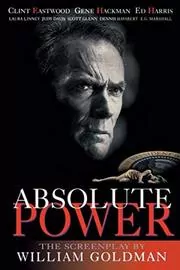
Absolute Power
by William Goldman
2000
In Goldman's screenplay adaptation, a master thief witnesses a violent crime tied to the White House and becomes the one loose end everyone wants erased. It is a lean political thriller about power, fear, and cover-ups.
The Big Picture
by William Goldman
2000
This essay collection returns to Hollywood with Goldman's usual mix of craft talk, skepticism, and strong opinions about studios, stars, and the Oscars. It is breezy, blunt, and often very funny.
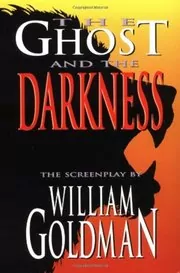
The Ghost and the Darkness
by William Goldman
2000
Goldman's screenplay turns the true Tsavo lion attacks into a survival story about a railway engineer facing terror in colonial East Africa. Men, machines, and empire all look fragile once the killing starts.
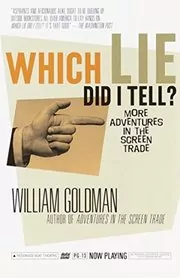
Which Lie Did I Tell?
by William Goldman
2000
Goldman revisits the film business with more stories about stalled projects, rewrites, studio politics, and the maddening life of a working screenwriter. It is part memoir, part masterclass, and part survival guide.
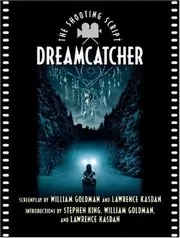
Dreamcatcher
by William Goldman
2003
This script book follows four old friends on a Maine hunting trip that becomes an alien nightmare of infection, memory, and siege. Goldman and Lawrence Kasdan adapt Stephen King's wild horror story for the screen.
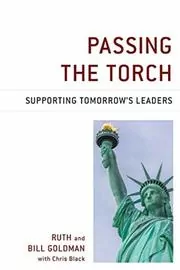
Passing the Torch
by William Goldman
2018
This nonfiction book looks at a scholarship and mentoring program built to help underserved students become leaders for social change. The focus is on access, resilience, and the practical work of supporting talent.
Where to start with William Goldman
If you want the classic fantasy adventure: The Princess Bride
If you want a dark, propulsive thriller: Marathon Man → Brothers
If you want Goldman's Hollywood side: Adventures in the Screen Trade → Which Lie Did I Tell? → The Big Picture
If you want his earlier, more personal fiction: The Temple of Gold → Boys and Girls Together → The Colour of Light
William Goldman sub-series and character series
William Goldman collections, short stories, and related book types
Screenplay Books
Collections
Non-Fiction
Standalone William Goldman books
Author bio
William Goldman was born in Chicago on August 12, 1931, and grew up in Highland Park, Illinois. His home life was complicated and often painful. His mother was deaf, his father lost his business and struggled with alcoholism, and Goldman later carried the shock of finding his father after his suicide while he was still in high school.
Those early wounds never really left his work.
He went to Oberlin College, where a creative-writing class pushed him toward the thing he would spend the rest of his life doing. He edited the campus literary magazine, served in the Army after graduation, and then used the GI Bill to earn a master's degree in English at Columbia. Through all of that, he kept writing stories at night, even when they were not selling.
His start as a novelist was fast. In 1956 he wrote The Temple of Gold in less than three weeks, and it was published the next year. More early books followed, including Your Turn to Curtsy, My Turn to Bow, Soldier in the Rain, and Boys and Girls Together, and they already showed the sharp dialogue, uneasy humor, and damaged strivers that would keep showing up later.
Screenwriting came soon after. An early break led to Harper, then Butch Cassidy and the Sundance Kid, which won him an Academy Award and made him a major Hollywood writer. A few years later he won a second Oscar for All the President's Men. He could work from novels, true stories, or original ideas, and producers kept calling because he knew how to make scenes move.
Range was his real trick.
Readers who come to Goldman through The Princess Bride usually stay for the voice, warm, funny, sly, and completely sure of the story it is telling. Readers who start with Marathon Man or Magic tend to remember the pressure he could build, along with the way ordinary fear suddenly becomes physical. Then there are the film books, especially Adventures in the Screen Trade and Which Lie Did I Tell?, where he wrote about Hollywood with unusual plainness. He did not pretend the business was noble. He made it sound messy, funny, arbitrary, and full of people trying to survive the next meeting.
Across the novels and scripts, he returned again and again to men who were in over their heads, professionals with private codes, broken families, and the uneasy gap between what people say and what they really want. Even when the plot was wild, the emotions were usually simple: love, panic, jealousy, shame, loyalty.
Goldman lived much of his adult life in New York and kept writing for decades across books, plays, essays, and films. He died in Manhattan in 2018. What lasts is not one lane or one genre, but the feeling that a very smart, very human storyteller is talking straight to you.





Edited by
Software engineer whose passion for tracking book recommendations from podcasts inspired the creation of MRB.
Lead investor at 3one4 Capital whose startup expertise and love for books helped shape MRB and its growth.
Comments
Did we miss something? Have feedback?
Help us improve this page by sharing your thoughts