
Wayside School Books in Order
Part ofLouis Sachar Books in OrderFind the Wayside School books by Louis Sachar in order, with short summaries, series background, and tips on where to begin the sideways fun.
Last updated:
As an Amazon Associate, we earn from qualifying purchases (at no extra cost to you).
Wayside School books in publication order
7 books
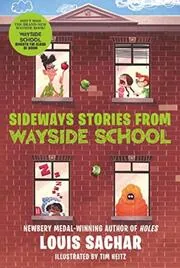
Sideways Stories from Wayside School
by Louis Sachar
1978
Wayside School was built sideways, thirty stories tall with no nineteenth floor, and the class on the top level is wonderfully weird. Each chapter follows a different student through deadpan nonsense, school jokes, and just enough real feeling.
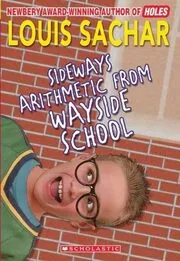
Sideways Arithmetic From Wayside School
by Louis Sachar
1989
Wayside School turns math into a game of words, logic, and ridiculous classroom scenes. Instead of a regular story, this book gives readers mind-bending puzzles with jokes, hints, and plenty of strange school energy.
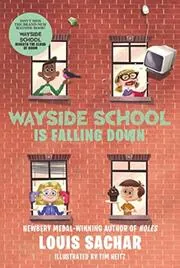
Wayside School Is Falling Down
by Louis Sachar
1989
Lunch is weird, class picture day is worse, and every floor at Wayside seems ready to misbehave. These linked stories pile absurd joke on absurd joke while the thirtieth floor tries to survive another school year.
More Sideways Arithmetic From Wayside School
by Louis Sachar
1994
This follow-up puzzle book mixes Wayside School silliness with more wordplay, logic problems, and sideways math. Readers get short classroom scenes, lots of brain teasers, and clues to help solve them.
Wayside School Gets a Little Stranger
by Louis Sachar
1995
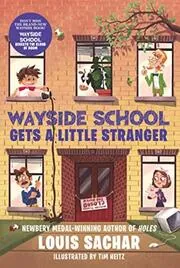
Wayside School finally reopens, but normal is still nowhere in sight. With Mrs. Jewls away and a parade of odd substitute teachers taking over, the thirtieth floor gets even stranger than usual.
Beneath the Cloud of Doom
by Louis Sachar
2020
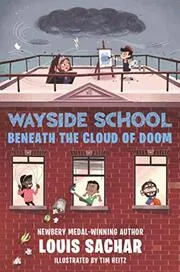
A dark cloud settles over Wayside School, and suddenly everyone feels gloomy, jumpy, and not quite themselves. Mrs. Jewls's class faces bizarre tests, odd rules, and a fresh round of sideways chaos.
Wayside School Beneath the Cloud of Doom
by Louis Sachar
2020
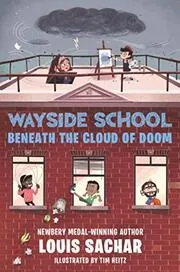
A dark cloud settles over Wayside School, and suddenly everyone feels gloomy, jumpy, and not quite themselves. Mrs. Jewls's class faces bizarre tests, odd rules, and a fresh round of sideways chaos.
Wayside School books in chronological order
Series background & context
The Wayside School books are built on one perfect bad idea: a school that was supposed to be one story tall gets built thirty stories high instead. There is one classroom on each floor. There is no nineteenth floor. Most of the action happens on the thirtieth floor, where Mrs. Jewls teaches a class full of kids who are only a little less strange than the building they sit in. From there, Louis Sachar turns everyday school life into something delightfully bent.
Nothing at Wayside works the way it should.
These books are not one long fantasy quest. They are short story cycles, usually one odd chapter at a time, with the same classmates turning up again and again. Bebe can throw faster than anyone. John reads upside down. Myron is weirdly good at being class president. Maurecia loves ice cream a little too much. Later books add Todd, who often feels like the closest thing the series has to a regular kid, plus familiar adults like Louis the Yard Teacher, Mrs. Jewls, and the unforgettable lunch lady Miss Mush. The humor comes from rules taken too literally, classroom misunderstandings, and the calm way the books treat impossible things as normal.
Each main book gives the school a slightly different shape. Sideways Stories from Wayside School introduces the world and its deadpan tone. Wayside School Is Falling Down returns to the same class for more linked chaos, with school pictures, odd lessons, and more glimpses of how this place runs. Wayside School Gets a Little Stranger raises the disorder by throwing substitute teachers into the mix while Mrs. Jewls is away. Wayside School Beneath the Cloud of Doom, published many years later, brings the series back with a gloomy storm cloud hanging over the school and everyone in it. The two Sideways Arithmetic books spin the same world into puzzle and logic-book form.
What makes the series last is that the nonsense never feels empty. The jokes are absurd, but the feelings are real. Kids worry about being picked on, being ignored, getting in trouble, or not understanding the rules. Wayside just exaggerates all of that until it becomes funny. The building matters because it turns school into its own little universe, stacked floor by floor, with room for every rumor, fear, and ridiculous surprise.
These books work especially well for readers who like humor in short bursts. You can dip in for one chapter or keep going and slowly build a picture of the whole class. There were later screen adaptations, but the books still have their own rhythm, dry, silly, and a little sneaky. That is the trick of Wayside School. It looks completely ridiculous, and somehow still feels exactly like being a kid in class.



Edited by
Software engineer whose passion for tracking book recommendations from podcasts inspired the creation of MRB.
Lead investor at 3one4 Capital whose startup expertise and love for books helped shape MRB and its growth.
Comments
Did we miss something? Have feedback?
Help us improve this page by sharing your thoughts