
Walt Whitman Books in Order
Explore Walt Whitman's books in order, with short summaries, notes on his major poems and prose, and clear guidance on where to start reading.
Last updated:
As an Amazon Associate, we earn from qualifying purchases (at no extra cost to you).
Walt Whitman books in publication order
58 books
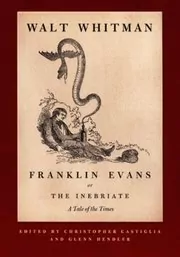
Franklin Evans, or The Inebriate
by Walt Whitman
1842
Whitman's temperance novel follows a young man pulled into drink, bad company, and public ruin. It is fast, moralizing, and full of sensational turns, with a vivid glimpse of his early prose style.
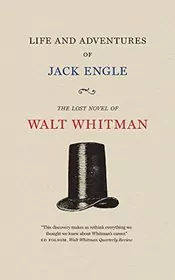
Life and Adventures of Jack Engle
by Walt Whitman
1852
A rediscovered city novel about an orphaned young man, hidden identities, crooked law, and sudden reversals of fortune. It reads like lively newspaper fiction, full of sentiment, comedy, and New York bustle.
Leaves of Grass
by Walt Whitman
1855
Whitman's lifetime book, a growing collection of poems about self, body, labor, desire, nature, and democracy. It begins in exuberance and gradually absorbs war, grief, age, and the nation's contradictions.
Recommended by
2 people Kevin Kelly recommended this book
Kevin Kelly
"While reading this classic poetic ode to America and possibilities ('I am multitude!') my gasket blew, and I became seized with an unstoppable urge to travel." - Kevin Kelly
Kevin Kelly's recommendation of this book  Rolf Potts recommended this book
Rolf Potts
"This great reminder that joy and openness to experience and inclusivity is something that is going to be that catalyst that makes every experience more exciting." - Rolf Potts
Rolf Potts's recommendation of this book
Leaves of Grass and Other Writings
by Walt Whitman
1855
A broad one-volume introduction that pairs Leaves of Grass with key prose and companion writings. It gives readers a fuller sense of Whitman's poetic project, political thought, and restless revisions.
Selected Letters of Walt Whitman
by Walt Whitman
1855
A selection of Whitman's letters that shows the working writer behind the public poet. They trace friendships, literary battles, money worries, illness, and the long making of Leaves of Grass.
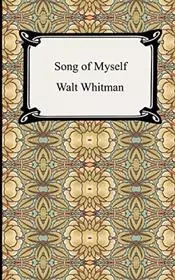
Song of Myself
by Walt Whitman
1856
Whitman's great long poem turns the self into a meeting place for bodies, voices, workers, lovers, and the natural world. Expansive and intimate at once, it invites readers to rethink what poetry can hold.
Guide to Manly Health and Training
by Walt Whitman
1858
A short, accessible selection from Whitman's long-lost health guide, packed with brisk advice on exercise, diet, sleep, and daily habits. It shows a practical, funny side of Whitman that surprises many readers.
Manly Health and Training with Off-Hand Hints Towards Their Conditions
by Walt Whitman
1858
Whitman's rediscovered health manual offers vigorous advice on exercise, diet, fresh air, bathing, and daily discipline. Part wellness guide, part period curiosity, it reveals his fascination with the body and self-improvement.
Drum Taps
by Walt Whitman
1865
Written out of the Civil War, this cluster moves from martial excitement to hospital wards, death, and hard-earned tenderness. It is Whitman at his most public, and also at his most wounded.
Oh Captain! My Captain!
by Walt Whitman
1865
Whitman's most famous Lincoln poem uses the return of a ship to frame national victory and private loss. Its regular rhythm and direct grief make it one of his most accessible and widely remembered pieces.
When I Heard the Learn'd Astronomer
by Walt Whitman
1865
A compact poem about leaving a lecture hall to look quietly at the stars. In a few lines, Whitman contrasts measured explanation with direct experience, silence, and wonder.
Democratic Vistas
by Walt Whitman
1871
Whitman's major prose meditation on democracy, written after the Civil War. He praises the democratic ideal but also worries about corruption, materialism, and the need for a stronger national literature.
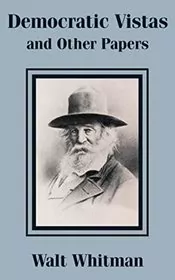
Democratic Vistas and Other Papers
by Walt Whitman
1871
A prose collection centered on Whitman's reflections about democracy, culture, and America's future. The additional papers widen the view, showing him as a public thinker as well as a poet.
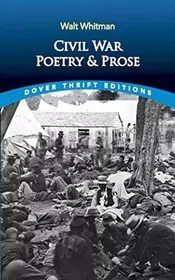
Civil War Poetry and Prose
by Walt Whitman
1872
This collection pairs Whitman's war poems with prose drawn from his hospital visits and wartime notes. Together they show both the sweep of conflict and the close-up pain of individual soldiers.
Specimen Days
by Walt Whitman
1882
Part memoir, part notebook, part nature writing, this late prose book ranges from old New York memories to Civil War hospitals and quiet Camden walks. It shows Whitman at his most conversational and reflective.
November Boughs
by Walt Whitman
1888
A late miscellany of essays, prefaces, poems, and autobiographical pieces. It feels like Whitman looking back over his life, his books, and the America he tried to sing.
Alone on the Beach at Night
by Walt Whitman
1892
A short late poem that begins with a solitary night scene and widens into a meditation on loss, stars, and the connectedness of all things. It is quiet, cosmic, and consoling.
An American Primer
by Walt Whitman
1904
This posthumous compilation of notes on language shows Whitman thinking about an American idiom. It is rough, energetic, and fascinating for readers curious about how he heard speech and built his style.
The Gathering of the Forces
by Walt Whitman
1920
This large anthology collects Whitman's journalism, editorials, and reviews from his newspaper years. It shows him as a working writer engaged with politics, reform, theater, city life, and public argument.
Rivulets of Prose
by Walt Whitman
1928
A gathering of Whitman's shorter prose pieces, often reflective, argumentative, and wide-ranging. These brief essays show how closely his ideas about democracy, art, and national life fed the poetry.
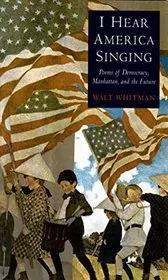
I Hear America Singing
by Walt Whitman
1966
This short poem listens to workers and ordinary people as if their labor were music. It is one of Whitman's clearest celebrations of democratic energy, craft, and shared life.
Lafayette in Brooklyn
by Walt Whitman
1973
A brief historical piece about Lafayette's visit to Brooklyn and the civic memory around it. It shows Whitman's taste for public ceremony, local history, and the way cities carry the past.
The Sleepers
by Walt Whitman
1973
A dreamlike poem that moves through night, bodies, memory, and suffering. Stranger and darker than some of Whitman's better-known work, it shows his gift for vision, sympathy, and shifting voices.
The Wound Dresser
by Walt Whitman
1975
Here Whitman writes from hospital wards, tending wounded soldiers and recording the war at close range. The pieces are plain, compassionate, and unforgettable about suffering, care, and human endurance.
New York dissected
by Walt Whitman
1976
A gathering of Whitman's rediscovered newspaper sketches about New York, its streets, pleasures, and rough edges. It shows the young journalist's sharp eye for the city's energy, class tensions, and spectacle.
Pictures
by Walt Whitman
1977
An early, long, unpublished poem that strings together scenes and remembered images like a gallery. It offers a revealing look at Whitman before Leaves of Grass, already thinking in sweeping visual catalogs.
Walt Whitman's Diary in Canada
by Walt Whitman
1977
Whitman's travel diary from an 1880 trip to Canada, often printed with related notebook excerpts. Brief and observant, it shows him on the move, recording scenery, impressions, and stray reflections.
The half-breed, and other stories
by Walt Whitman
1978
This volume gathers Whitman's early fiction, including frontier and urban tales from before Leaves of Grass. The stories are melodramatic, curious, and useful for seeing what he was trying before the poetry changed everything.
City of Orgies and Other Poems
by Walt Whitman
1980
A small selection of Whitman poems about the city, crowds, desire, and comradeship. It shows how urban life, not just fields and open roads, fed his imagination.
Selected Poems 1855-1892
by Walt Whitman
1980
A career-spanning selection that traces Whitman from the first Leaves of Grass to his late poems. It highlights the breadth of his free verse, from exuberant self-assertion to elegy and reflection.
Poetry and Prose
by Walt Whitman
1982
A substantial omnibus gathering Whitman's major poems alongside his essential prose. It is a strong starting point for readers who want both the big poems and the essays, memoirs, and notes around them.
Notebooks and Unpublished Prose Manuscripts
by Walt Whitman
1984
This scholarly collection opens Whitman's notebooks, drafts, and unfinished prose. It lets readers watch ideas, images, and arguments taking shape before they reached the page.
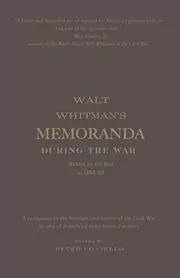
Memoranda during the War
by Walt Whitman
1988
Whitman's firsthand Civil War prose, drawn from hospital visits, camp scenes, and notebook memories. It is unsentimental and deeply humane, keeping its focus on wounded soldiers and the daily work of care.
Voyages
by Walt Whitman
1988
A reader-friendly selection of Whitman poems arranged around travel, sea, and discovery. The choices emphasize motion, wonder, and the feeling of setting out into a larger world.
Wrenching Times
by Walt Whitman
1991
A selection of poems from Drum-Taps that dwells on the Civil War's strain, grief, and endurance. These pieces show Whitman moving from patriotic surge to the wounded human cost of battle.
Whitman
by Walt Whitman
1994
A compact pocket selection of Whitman's poems, including many of the best-known pieces from Leaves of Grass. It works well as a small, approachable entry point for readers who do not want the complete works.
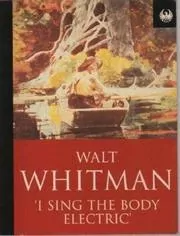
I Sing The Body Electric
by Walt Whitman
1995
Whitman celebrates the human body in all its physicality, beauty, and common dignity. The poem is bold, sensuous, and central to his refusal to split body from soul.
Memories of President Lincoln
by Walt Whitman
1996
Whitman's Lincoln elegies gather grief, public ritual, and national mourning into one cluster. The poems remember the president without simple hero worship, turning loss into a meditation on death and renewal.
The Walt Whitman Reader
by Walt Whitman
2000
A portable introduction to Whitman's poetry and prose, bringing together major poems, memoir, and criticism. It is designed for readers who want a representative sampling rather than the full collected works.
Collect
by Walt Whitman
2004
This prose collection gathers Whitman's literary notes, reminiscences, and brief essays. It offers a looser, more talkative Whitman, curious about books, public life, and the shape of American culture.
The Mystic Poets
by Walt Whitman
2004
A themed selection that reads Whitman through the spiritual side of his work. Poems and prose pieces here stress wonder, self-discovery, nature, and the sense of the divine in ordinary life.
Earth, My Likeness
by Walt Whitman
2005
A brief but charged poem from the Calamus cluster, addressing the earth as a mirror of hidden feeling. In a few lines, Whitman links desire, secrecy, and the force of emotion.
Masculine Beauty of Walt Whitman's Poetry Of Same-Sex Affection
by Walt Whitman
2014
This themed selection highlights poems and passages about male beauty, comradeship, and same-sex affection in Whitman's work. It offers a direct route into one of the most debated and moving currents in his writing.
Beat! Beat! Drums!
by Walt Whitman
2015
A driving war poem in which bugles and drums break into homes, schools, shops, and daily life. Whitman captures the force of conflict as something that overwhelms every private routine.
Boston Town
by Walt Whitman
2015
This poem, better known as A Boston Ballad, uses a public spectacle in Boston to mock official power and national hypocrisy. Its ghostly humor gives it a sharper satirical edge than much of Whitman's work.
Chants Democratic
by Walt Whitman
2015
A group of poems that push Whitman's political voice to the front, praising liberty, comradeship, and public life. The emphasis is less personal confession, more rallying cry and civic vision.
Shooting Niagara
by Walt Whitman
2015
A short political essay in which Whitman answers anti-democratic arguments and insists on faith in ordinary people. It belongs beside Democratic Vistas, with the same mix of irritation, hope, and national debate.
Song of the Broad-Axe
by Walt Whitman
2015
This long poem starts with the tool itself and grows into a vision of workers, cities, homes, and the making of America. It turns labor and building into a democratic epic.
To a Pupil
by Walt Whitman
2015
A brief instructional poem that asks what real reform and learning should look like. Whitman pushes beyond book knowledge toward character, courage, and the making of a whole person.
Whitman's Dogs
by Walt Whitman
2016
This quirky themed volume offers an offbeat way into Whitman's world through companionship, daily life, and the creaturely details he noticed. It reveals a smaller, warmer side of a poet often approached through his grandest lines.
President Lincoln's Funeral Hymn
by Walt Whitman
2018
This stand-alone edition presents Whitman's great Lincoln elegy, usually known as When Lilacs Last in the Dooryard Bloom'd. It mourns the assassination through spring images, procession, and a slow movement toward acceptance.
Somewhere Waiting
by Walt Whitman
2018
A small illustrated edition built around the closing promise of Song of Myself. It distills Whitman's warmth, playfulness, and openness to the unknown reader waiting somewhere ahead.
The Poetry of the Future
by Walt Whitman
2018
Whitman's essay on what modern poetry should do, and why old forms are not enough for a new nation. It is part manifesto, part self-defense, and part argument about art's public role.
Brooklyn
by Walt Whitman
2019
A compact collection of Whitman's poems and prose about Brooklyn, ferries, streets, and shorelines. It captures the borough that shaped his imagination and stayed at the center of his writing.
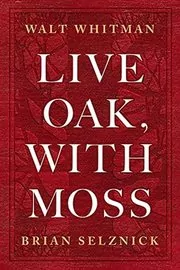
Live Oak, with Moss
by Walt Whitman
2019
This restored sequence of twelve poems presents Whitman's most direct early meditation on love between men. It reads as intimate, vulnerable, and revealing in ways the later Calamus cluster partly diffuses.
Every Hour, Every Atom of Walt Whitman's Early Notebooks and Fragments
by Walt Whitman
2020
A focused gathering of Whitman's early notebooks and fragments, from the years before Leaves of Grass. It shows a writer testing voices, images, and ideas as his style begins to form.
The Million Dead, Too, Summ'd Up
by Walt Whitman
2021
An edited collection of Whitman's Civil War writings in poetry and prose. It brings together battlefield aftermath, hospital scenes, Lincoln elegies, and reflections on national grief.
The World Below the Brine
by Walt Whitman
2021
Whitman's sea poem dives beneath the surface to imagine plant life, strange creatures, and light moving underwater. It is a compact reminder of how curious and sensuous his nature writing can be.
Where to start with Walt Whitman
If you want the essential Whitman: Leaves of Grass → Song of Myself
If you want his Civil War writing: Drum Taps → Memoranda during the War → Specimen Days
If you want prose and ideas: Democratic Vistas → Specimen Days → November Boughs
If you're curious about his early fiction: Franklin Evans, or The Inebriate → Life and Adventures of Jack Engle
Walt Whitman collections, short stories, and related book types
Collections


by Walt Whitman
1975A Series of Letters Written from the Hospitals in Washington during the War of the Rebellion
by Walt Whitman
1976A sheaf of recently discovered newspaper articles by the author of Leaves of grass
Walt Whitman's Diary in Canada
by Walt Whitman
1977With Extracts from Other of His Diaries and Literary Note-Books


Notebooks and Unpublished Prose Manuscripts
by Walt Whitman
1984Volume I: Family Notes and Autobiography, Brooklyn and New York


Standalone Walt Whitman books
Life and Adventures of Jack Engle
by Walt Whitman
1852An Autobiography; A Story of New York at the Present Time in which the Reader Will Find Some Familiar Characters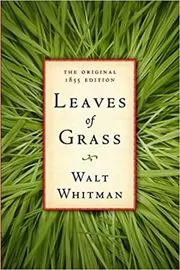















Author bio
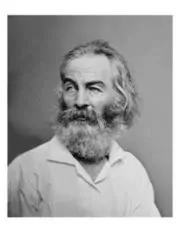
Walt Whitman was born on May 31, 1819, in West Hills on Long Island, New York, and grew up mostly in Brooklyn after his family moved there when he was a child. He was the second of nine children in a working family, and the noise, labor, ferries, streets, and shorelines of Brooklyn stayed with him for the rest of his life.
He left school young and went to work at twelve as a printer's apprentice. That job mattered. Setting type taught him how words looked on a page, and the print shop put him close to newspapers, politics, and argument. He later worked as a teacher on Long Island, then as a journalist and editor in New York and Brooklyn, including a well-known stretch at the Brooklyn Daily Eagle.
Journalism was his real apprenticeship as a writer. He walked the city constantly, listened hard, read widely, loved the theater and opera, and trained himself in public speech, observation, and rhythm. By the early 1850s he was searching for a form big enough to hold American streets, bodies, work, talk, and weather.
In 1855 he paid to print Leaves of Grass himself.
That first edition was small, just twelve untitled poems and a preface, but Whitman kept returning to it for the rest of his life, revising, expanding, and rearranging until it became the book he is known for. Readers still come to Leaves of Grass for its size and openness, and for poems like Song of Myself and I Sing the Body Electric, where Whitman writes about the body, labor, desire, nature, and democracy with a startling feeling of direct address.
The Civil War changed him. After going south to look for his wounded brother, he stayed in Washington and spent years visiting military hospitals, bringing small gifts, writing letters for soldiers, and sitting with the wounded. Those experiences shaped Drum Taps, the Lincoln poems that include Oh Captain! My Captain!, and prose books such as Memoranda during the War and Specimen Days. The voice is still Whitman's, but often sadder, plainer, and closer to suffering.
War made his writing more intimate.
Whitman also wrote prose that tried to think through what America might become. In Democratic Vistas, he argues that politics alone are not enough, and that a democracy also needs a serious culture, serious reading, and a literature equal to common life. Even his earlier fiction, including Franklin Evans, or The Inebriate and Life and Adventures of Jack Engle, shows his long interest in reform, city life, and the drama of ordinary people trying to make their way.
Certain themes keep returning. He treats the body and soul as part of one life, not opposites. He writes about workers, wanderers, ferrymen, lovers, soldiers, and city crowds with unusual respect. He is drawn to comradeship, to affection between men, to the natural world, and to the idea of America as a noisy, unfinished experiment rather than a finished ideal.
After a stroke in 1873, Whitman moved to Camden, New Jersey, first to live near family and later to his own modest house. He kept revising Leaves of Grass, writing prose, and receiving a steady stream of visitors and admirers. He died in Camden on March 26, 1892. His work is rooted in the nineteenth century, but it still feels alive because it keeps turning back to the same big things, the body, the crowd, loss, work, love, and the hope that a poem can speak to a stranger.






Edited by
Software engineer whose passion for tracking book recommendations from podcasts inspired the creation of MRB.
Lead investor at 3one4 Capital whose startup expertise and love for books helped shape MRB and its growth.
Comments
Did we miss something? Have feedback?
Help us improve this page by sharing your thoughts