
Wabash River Books in Order
Part ofDorothy Garlock Books in OrderFind the Wabash River books in order by Dorothy Garlock, with summaries, frontier connections, and a guide to reading this sweeping river saga.
Last updated:
As an Amazon Associate, we earn from qualifying purchases (at no extra cost to you).
Wabash River books in publication order
4 books
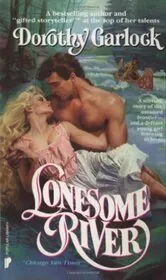
Lonesome River
by Dorothy Garlock
1987
Liberty flees an unwanted marriage and drives west toward the Illinois frontier, where forced choices only lead to harder ones. Frontiersman Farr Quill offers protection, but trouble is already riding behind her.
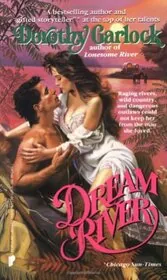
Dream River
by Dorothy Garlock
1988
Amy and Rain Tallman are drawn back together in a frontier journey that carries them from the Wabash toward Missouri and Fort Smith. Rivers, kidnappers, and old enemies make every mile count.
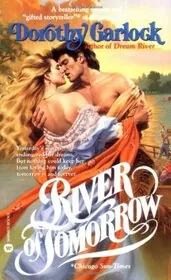
River of Tomorrow
by Dorothy Garlock
1988
Pushing farther west, this Wabash River romance turns new settlements and rough travel into the backdrop for love. Garlock keeps the stakes high with danger on the trail and family ties that refuse to loosen.
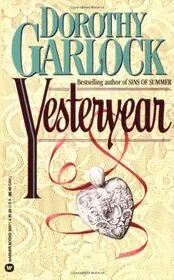
Yesteryear
by Dorothy Garlock
1995
This Wabash River story looks at how old promises, old grief, and family history keep shaping the present. Garlock blends romance with a strong sense that the past is never really past on the frontier.
Wabash River books in chronological order
Series background & context
The Wabash River books are one of Dorothy Garlock's richest frontier sequences, moving from the Illinois and Indiana borderlands into the wider river world of the early nineteenth century. The series includes Lonesome River, Dream River, River of Tomorrow, and Yesteryear. These books are tied together by family connections, westward movement, and the sense that every mile traveled opens both possibility and danger.
Lonesome River sets the tone. Liberty flees a forced future and pushes toward the frontier, where Farr Quill becomes both protector and challenge. From there the series widens. Dream River picks up with Amy and Rain Tallman, drawing the story toward the Mississippi, Missouri Territory, and eventually the Fort Smith country. By the time you reach the later books, Garlock has built not just romances but a lived-in network of settlements, relatives, enemies, ferries, stations, and remembered losses.
The river keeps everyone moving.
What makes the series stand out is how well Garlock handles motion. Her characters are often on the road, on horseback, crossing water, negotiating land sales, or trying to outrun men who want something from them. But the books never feel rootless. She is always interested in where home might finally be, and what sort of love can survive the trip there. Family is a major thread too. Children, siblings, widowed parents, and old obligations travel with the characters even when they think they have left the past behind.
The setting matters on a practical level. Rivers are transportation, trade, and threat. Frontier stations are safety until they are not. A crossing can change everything. So can weather, rumor, or a delayed sale. That gives the romances a strong adventure element without pulling them away from Garlock's real focus, which is emotional endurance.
If you like frontier sagas with recurring characters and a feeling of history moving outward, this series is especially rewarding. Read it in order if you can. The books are interrelated enough that later stories gain weight from earlier ones, particularly in the way old loves, old enemies, and old acts of mercy keep resurfacing. Garlock uses the Wabash world to show how a family story can spread across a whole landscape.






Edited by
Software engineer whose passion for tracking book recommendations from podcasts inspired the creation of MRB.
Lead investor at 3one4 Capital whose startup expertise and love for books helped shape MRB and its growth.
Comments
Did we miss something? Have feedback?
Help us improve this page by sharing your thoughts