
W Somerset Maugham Books in Order
Explore W Somerset Maugham's books in order, with summaries and a reading guide to help you choose where to start with his novels, stories and plays.
Last updated: 1 new book added
As an Amazon Associate, we earn from qualifying purchases (at no extra cost to you).
W Somerset Maugham books in publication order
88 books
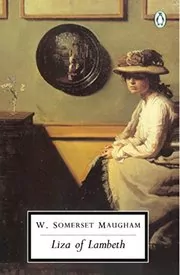
Liza of Lambeth
by W Somerset Maugham
1897
Set in the slums of late Victorian London, this early novel follows lively factory girl Liza Kemp as she falls into a dangerous affair with a married neighbour. Her brief escape from poverty and drudgery leads to gossip, violence and a stark reckoning with the limits of working class life.
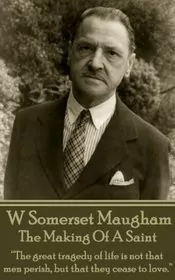
The Making Of A Saint
by W Somerset Maugham
1898
In turbulent fifteenth century Italy, young nobleman Filippo Brandolini is drawn into vendettas, political schemes and forbidden love in the town of Forlì. Told as a monk's memoir, the novel traces how ambition, violence and self deception can twist a man who once thought himself virtuous.

Orientations
by W Somerset Maugham
1899
Orientations is an early collection of short stories that move between Spain, England and other settings, united by Maugham's interest in moral scruples and social masks. The tales range from ironic love stories to darker studies of pride and self deception, already showing his gift for compact, telling scenes.

The Hero
by W Somerset Maugham
1901
Jamie Parson returns home from the Boer War a decorated officer and local hero, only to find that peacetime life feels empty. As his family and fiancée expect him to slot back into his old role, Jamie struggles with disillusionment, guilt and the moral burden of what he has seen and done.
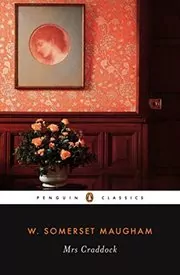
Mrs Craddock
by W Somerset Maugham
1902
Independent and idealistic Bertha Ley marries solid country steward Edward Craddock, convinced that fresh blood will revive her ancient family line. Over time she discovers that her husband is unimaginative and emotionally limited, and their childless marriage becomes a bitter portrait of class, desire and disappointment.

A Man of Honour
by W Somerset Maugham
1903
In this early tragedy, high minded Basil Kent marries barmaid Jenny after getting her pregnant, sacrificing his own desires in the name of duty. The mismatch poisons them both, and as Basil continues to yearn for a woman of his own class, the play probes class pride, moral rigidity and the human cost of doing "the right thing."
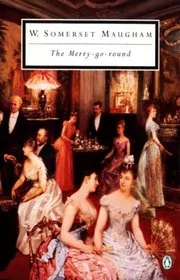
The Merry-Go-Round
by W Somerset Maugham
1904
Told through a web of interlocking stories, this early novel follows a circle of London relatives, lovers and friends as they navigate unsuitable marriages, financial worries and social ambition. Maugham uses their entanglements to explore respectability, desire and the small compromises that keep the social merry go round turning.
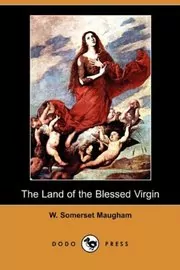
The Land of the Blessed Virgin
by W Somerset Maugham
1905
This early travel book records Maugham's journey through Andalusia, evoking white villages, Moorish architecture, crowded churches and dusty bullrings. Mixing history, local legend and personal impressions, he captures the light, music and religious fervour of southern Spain while reflecting on art, faith and the enduring charm of the region.

The Bishop's Apron
by W Somerset Maugham
1906
Canon Theodore Spratte, son of a former Lord Chancellor, is determined to secure a bishopric and polish the Spratte family legend. As he manipulates his children's marriages and curries favour with politicians, this comic novel skewers clerical ambition, social climbing and the cheerful vanity of a rising family.
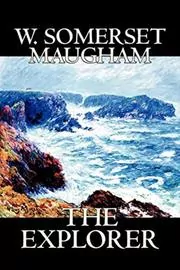
The Explorer
by W Somerset Maugham
1907
Lucy Allerton, facing the loss of her family estate, pins her hopes on solid, dependable marriage. Her plans are shaken by the return of Alec McKenzie, an explorer heading back to Africa on a risky mission. The story blends romance, jungle adventure and the clash between comfort and idealism.
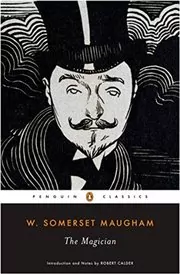
The Magician
by W Somerset Maugham
1908
In decadent Paris, surgeon Arthur Burdon brings his fiancée Margaret to study art, only to see her fall under the spell of Oliver Haddo, an occultist loosely inspired by Aleister Crowley. What begins as skeptical amusement twists into black magic, obsession and a grotesque bid to create life itself.

Jack Straw
by W Somerset Maugham
1912
Jack Straw is a playful farce about mistaken identity and social climbing. When an idle young man impersonates a nobleman at a country house, flirtations, opportunistic engagements and sharp exchanges follow, allowing Maugham to send up both American heiresses and English aristocrats.

Lady Frederick
by W Somerset Maugham
1912
Lady Frederick, an Irish widow drowning in debt, must juggle creditors, suitors and the threat of scandal in Edwardian high society. The star part, with its famous scene of onstage dressing and make up, anchors a comedy about charm, ageing, social masks and the price of survival on the fringes of respectability.

Mrs. Dot
by W Somerset Maugham
1912
A light social comedy, Mrs. Dot centres on a capable, wealthy widow who manages her household and family with brisk common sense. When romance, money troubles and idle young men collide in her drawing room, she proves more than a match for convention, gently bending it to suit her own plans.

Penelope
by W Somerset Maugham
1912
In this comedy, energetic Penelope has turned her feckless writer husband into a literary success and now quietly supports him. When an old flame threatens the marriage, a tangle of visitors, rumours and schemes forces everyone to face what they really want from love, money and respectability.

Landed Gentry
by W Somerset Maugham
1913
Written for the stage, Landed Gentry turns on the troubles of a country family trying to preserve status and comfort as money grows tight. Courtships, mortgages and small scandals pile up, giving Maugham ample room to poke fun at rural pretensions and the stubborn pride of the mildly well born.

Smith
by W Somerset Maugham
1913
Returning from years in the colonies, practical farmer Tom Freeman is paraded through his sister's fashionable London circle. Finding its idle chatter empty, he shocks everyone by proposing to Smith, the sensible parlourmaid. This comedy gently mocks class snobbery and suggests where real worth may lie.

The Tenth Man
by W Somerset Maugham
1913
Self made financier and Member of Parliament George Winter believes nine men out of ten can be bullied or bought. When he faces exposure over a shady mining scheme, he finally meets his "tenth man," an opponent who will not be silenced. The play blends political melodrama with a cool look at power and conscience.

The Land of Promise
by W Somerset Maugham
1914
First a play and later filmed, The Land of Promise follows Englishwoman Nora Marsh as she emigrates to Canada and marries a hard working farmer. Life on the prairie is harsh, yet offers a kind of freedom, and the story contrasts romantic ideas of a new world with the grit needed to survive there.
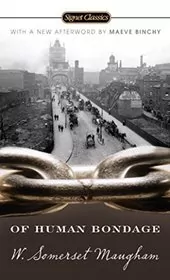
Of Human Bondage
by W Somerset Maugham
1915
Orphaned, club footed Philip Carey grows up painfully shy yet hungry for experience. Following him from a vicarage in Kent to art school in Paris and medical training in London, the novel charts his infatuations, humiliations and slow struggle toward a philosophy of life that lets him endure suffering without self pity.

The Unattainable
by W Somerset Maugham
1916
This lesser known play revolves around a woman who has become the object of idealised desire for several men in her circle. As friendships, marriages and careers are quietly warped by that obsession, Maugham explores the gap between fantasy and the far more complicated reality of loving another person.
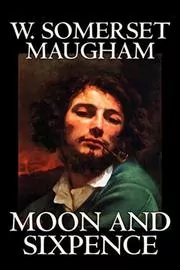
The Moon and Sixpence
by W Somerset Maugham
1919
Respectable London stockbroker Charles Strickland abruptly abandons his family for a life of poverty and painting, first in Paris then in Tahiti. Inspired by Paul Gauguin, this novel examines the cost of artistic obsession, the damage left behind, and the uneasy fascination a ruthless creator exerts on those who watch him.

The Unknown
by W Somerset Maugham
1920
The Unknown is a stage drama built around a mysterious outsider whose arrival unsettles a comfortable household. Old secrets, half truths and buried ambitions rise to the surface, and the characters are forced to see one another, and themselves, with a sudden, uncomfortable clarity.

Rain
by W Somerset Maugham
1921
One of Maugham's most famous stories, Rain follows stern missionary Davidson and his wife as they share lodgings with prostitute Sadie Thompson on a rain soaked Pacific island. His attempt to break her will and save her soul leads to an unexpected reversal that exposes sexual repression and moral hypocrisy.

The Circle
by W Somerset Maugham
1921
At a country house in Dorset, a young wife contemplates leaving her dutiful husband for a more exciting lover. Seeking guidance from his mother, who scandalously eloped thirty years earlier, she finds that the older couple's romantic legend has curdled. The comedy asks whether passion or respectability offers the better bargain.

The Trembling of a Leaf
by W Somerset Maugham
1921
Subtitled Little Stories of the South Sea Islands, this collection draws on Maugham's travels in the Pacific. European and American outsiders arrive in island paradises only to find jealousy, disease, temptation and spiritual crisis, with famous stories like Rain exploring how thin the line is between rapture and despair.

Caesar's Wife
by W Somerset Maugham
1922
In Cairo, the much younger wife of a senior British official finds herself falling for his brilliant subordinate. Everyone insists that, like Caesar's wife, she must be above suspicion. The play turns that proverb into a tense triangle about reputation, political duty and the cost of choosing honesty over safety.

East of Suez
by W Somerset Maugham
1922
Set in the expatriate circles of the Far East, East of Suez follows an Englishwoman whose mixed heritage and past indiscretions threaten her chance at a respectable marriage. Drawing on Maugham's Asian travels, the play examines race, gossip and the uneasy position of women whose lives cross rigid colonial boundaries.

On A Chinese Screen
by W Somerset Maugham
1922
Composed of brief sketches from a Yangtze River journey, this travel book portrays treaty port consuls, missionaries, merchants and Chinese officials alongside temples, river towns and city streets. The pieces show how Westerners and Chinese misunderstand and use one another, and how exile, boredom and beauty shape life in early twentieth century China.

Home And Beauty
by W Somerset Maugham
1923
Victoria, believing her soldier husband killed in the First World War, has married his charming friend. When the first husband unexpectedly returns, both men would quite like to be rid of her, while she dreams of a richer match. This fast moving farce teases postwar marriage, money and shifting morals.

Our Betters
by W Somerset Maugham
1923
In this comedy of manners set in Mayfair drawing rooms and country houses, newly rich American women marry into titled but cash strapped British families. Maugham mines their parties, affairs and bargains for sharp humour, showing how money, snobbery and national stereotypes collide in transatlantic high society.

Loaves and Fishes
by W Somerset Maugham
1924
Loaves and Fishes centres on an ambitious clergyman determined to rise in the Church, whatever tactful dishonesty it requires. As he balances piety, social connections and an eye for advantage, the play offers an amusing, pointed look at religious politics and the worldly temptations that come with a collar.
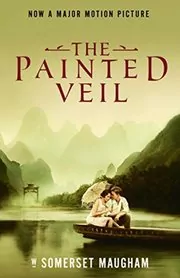
The Painted Veil
by W Somerset Maugham
1925
Kitty Fane, a shallow socialite who has married dull but devoted bacteriologist Walter, begins an affair in Hong Kong and is forced to accompany her husband into a cholera stricken Chinese interior. Amid disease, sacrifice and the example of selfless nuns, she confronts her own vanity and searches for a more honest life.

The Casuarina Tree
by W Somerset Maugham
1926
These six stories, set in the Federated Malay States, chart the lives of planters, officials and their families in a humid, hierarchical world. Affairs, scandals and small acts of courage unfold under the casuarina trees, revealing both the fragility of imperial pretensions and the intense emotions colonial postings could provoke.
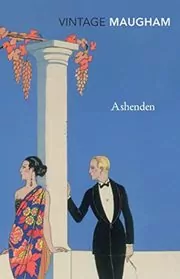
Ashenden
by W Somerset Maugham
1927
Drawing on Maugham's own work in British intelligence during World War I, this linked collection follows writer agent Ashenden through assignments in Switzerland and Russia. The stories mix dry humour with moral unease as quiet bureaucratic orders lead to botched assassinations, ruined lives and the recognition that espionage is rarely heroic.

The Constant Wife
by W Somerset Maugham
1927
Constance Middleton has long known that her successful surgeon husband is having an affair with her best friend. Instead of weeping, she calmly sets up as an interior decorator, earns her own money and announces plans for a lover of her own, offering a cool, witty take on marriage and independence in the 1920s.

The Letter
by W Somerset Maugham
1927
On a Malayan rubber plantation, a respectable Englishwoman shoots a family friend and claims self defence. As a damaging letter surfaces and her lawyer works to suppress it, this taut drama reveals layers of passion, racism and self deception beneath the polished surface of colonial life.

The Sacred Flame
by W Somerset Maugham
1928
Set almost entirely in a sickroom, The Sacred Flame follows a paralyzed war veteran, his devoted wife and the family who care for him. When the wife's feelings begin to shift, questions about mercy, sexuality and the right to a "normal" life come to the surface in an unusually intimate domestic drama.
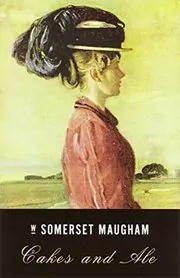
Cakes and Ale
by W Somerset Maugham
1930
Narrator and novelist Ashenden is drawn back into the life of Edward Driffield, a once scandalous writer now hailed as a literary giant. Asked to help shape a respectful biography, he instead remembers Edward's first wife Rosie, frank, sensual and inconvenient to posterity, and delivers a sly, funny portrait of literary snobbery and sexual hypocrisy.

The Breadwinner
by W Somerset Maugham
1930
Stockbroker Charles Battle quietly learns he may be financially ruined, but keeps the news from his amiable, spendthrift family. As they chatter about parties and prospects, unaware that their comforts rest on a knife edge, this one act comedy exposes selfishness, resilience and the surprising ways people react when the money stops.
The Gentleman in the Parlour
by W Somerset Maugham
1930
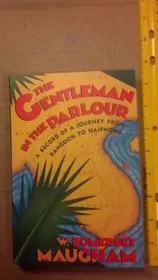
Maugham recounts an overland journey from Rangoon to Haiphong, moving through Burma, Siam and French Indochina with a small entourage. Along the way he describes monasteries, teak forests, colonial clubs and village bazaars, using sharp portraits of the people he meets to explore Buddhism, empire and the uneasy role of the Western traveller.

Six Stories Written in the First Person Singular
by W Somerset Maugham
1931
This slim volume gathers half a dozen tales told directly by an I narrator, a voice close to Maugham himself. Intimate in tone, the stories often begin as casual reminiscences and end with a sharp twist of character, chance or irony that lingers longer than the plot.

For Services Rendered
by W Somerset Maugham
1932
Set in an English village in 1932, this sombre play shows the long shadow of World War I over the Ardsley family. A blinded son, a daughter bound to care for him, unhappy marriages and quiet desperation all point to promises broken and sacrifices ignored by the society they served.

The Book Bag
by W Somerset Maugham
1932
The Book Bag is a long story in which a chance meeting on a steamer leads the narrator to a tragic colonial romance buried in an old dispatch case. As letters and memories are unpacked, a seemingly conventional family history is revealed as something stranger, darker and quietly heartbreaking.
The Narrow Corner
by W Somerset Maugham
1932
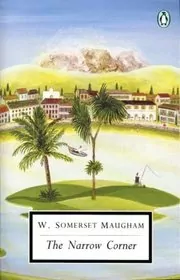
On a small trading lugger in the Dutch East Indies, weary Dr Saunders sails with shady Captain Nichols and young fugitive Fred Blake. A storm drives them to a remote island, where Fred's reckless affair with a planter's daughter ends in jealousy and death, exposing buried crimes and the thin line between chance and fate.

Ah King
by W Somerset Maugham
1933
Named for the Chinese servant who accompanies him, this collection contains six stories set in Malaya and nearby parts of Southeast Asia. They pick apart adultery, pride, religious scruple and cultural collision in plantations, trading posts and small ports, combining taut plots with vivid portraits of place.

Sheppey
by W Somerset Maugham
1933
Respectable hairdresser Sheppey unexpectedly wins a large sum of money and decides to live out Christian charity by giving most of it away. His new convictions horrify his family and neighbours, and the play uses his experiment in goodness to question how far a materialistic society will tolerate true generosity.

The Judgement Seat
by W Somerset Maugham
1934
A brief allegorical piece, The Judgement Seat imagines souls standing before a final tribunal to account for their lives. In a few concentrated pages, Maugham suggests that motives are tangled, verdicts uneasy and the neat moral labels we apply in life may not survive closer scrutiny.
Don Fernando
by W Somerset Maugham
1935
Part travelogue, part literary essay, this book grows from Maugham's wanderings in Spain and his fascination with the sixteenth century writer and soldier Fernando de Rojas. Moving between modern landscapes and Golden Age art and literature, he reflects on Spanish history, Catholicism and a culture where piety and passion sit side by side.

Cosmopolitans
by W Somerset Maugham
1936
Cosmopolitans gathers short stories about travellers, exiles and drifters who have made foreign cities their home. Set in hotels, cafés and rented rooms, the pieces show how people reinvent themselves abroad, and how loneliness, chance meetings and old loyalties shape their fates far from where they were born.

My South Sea Island
by W Somerset Maugham
1936
A brief, affectionate memoir of a stay in the South Seas, this piece captures a small island's lagoons, heat and slow rhythms, as well as the mixed community of traders, officials and islanders who inhabit it. Maugham uses the setting to meditate on escape, idleness and the lure of tropical solitude.
Theatre
by W Somerset Maugham
1937
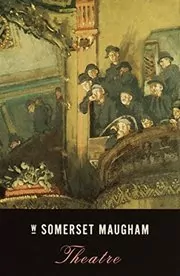
Julia Lambert is a celebrated London actress, perfectly in control on stage and at home in the comfortable marriage that supports her career. An affair with a much younger admirer jolts her into reexamining love, ageing and the uses of charm, leading to a dazzlingly cruel performance that reminds everyone where her real power lies.
The Summing Up
by W Somerset Maugham
1938
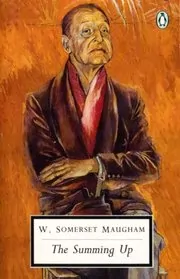
Written in his sixties, this literary memoir looks back over Maugham's childhood, medical training, stage successes, travels and decades of writing. He talks plainly about craft, taste, philosophy and the limits of his own talent, offering a candid self portrait and a set of hard won ideas about how to live and work.
Christmas Holiday
by W Somerset Maugham
1939
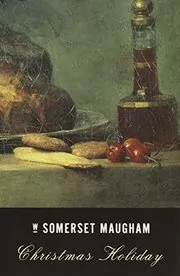
Respectable young Englishman Charley Mason goes to Paris for a festive holiday and instead meets Lydia, a Russian émigrée now working as a prostitute. As she tells the story of her shattered past and the husband she still supports despite his crime, Charley glimpses a darker Europe and questions his sheltered assumptions.

Princess September and the Nightingale
by W Somerset Maugham
1939
This modern fable tells of Princess September, who treasures a live nightingale that sings freely in her room. When fear makes her cage it to keep it safe, the bird languishes. The story, first written for children, gently illustrates how love that tries to possess can easily destroy what it admires.

Books and You
by W Somerset Maugham
1940
Based on a series of popular essays, Books and You is Maugham's friendly guide to reading for pleasure. He recommends classic novels from England, Europe and America, explaining what he values in them and encouraging ordinary readers to choose books that are both enjoyable and nourishing rather than dutiful.

France at War
by W Somerset Maugham
1940
Written after a tour of France early in World War II, this short book offers snapshots of soldiers, officials and civilians preparing for conflict. It is less a military analysis than a series of impressions, meant to show British readers the courage, strain and quiet resolve of France on the brink of disaster.

The Mixture As Before
by W Somerset Maugham
1940
True to its title, this collection offers more of the elements that made Maugham's stories popular: concise plots, exotic settings, sharp observation of manners and an undercurrent of scepticism about motives. The pieces range across Europe and the East, often returning to themes of compromise, temptation and the price of respectability.
Strictly Personal
by W Somerset Maugham
1941
In this wartime memoir Maugham looks back over the first fifteen months of World War II, describing his travels, official duties and encounters in Britain and America. The tone is conversational and reflective, blending anecdote, political observation and self criticism rather than offering a straightforward chronological diary.
Up at the Villa
by W Somerset Maugham
1941
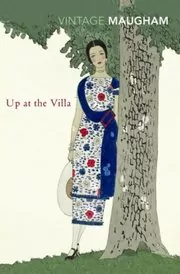
Widowed Mary Panton is staying alone at a villa above Florence, weighing a safe marriage proposal from an older diplomat. One impulsive night with a desperate refugee ends in violence, forcing her to rely on charming rogue Rowley Flint. In a tense few days she must decide what kind of future, and man, she wants.
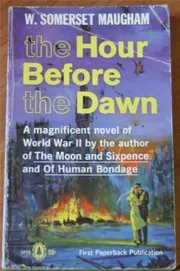
The Hour Before the Dawn
by W Somerset Maugham
1942
Set in rural England as World War II begins, this novel centres on Jim, a conscientious objector whose pacifism isolates him from neighbours and family. When he marries an attractive refugee who is secretly working for the Nazis, questions of loyalty, courage and the real cost of principle become brutally concrete.
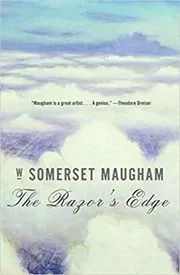
The Razor's Edge
by W Somerset Maugham
1944
After the trauma of World War I, Larry Darrell turns his back on a safe career to search for spiritual meaning, drifting from Chicago to Paris, India and beyond. His quest upends the lives of his fiancée Isabel, her wealthy family and a circle of friends who cannot quite understand his refusal of comfort and success.
Recommended by
3 people Dan Carlin recommended this book
Dan Carlin
"War transformed those idyllic pre-1914 ideas into reality, that war wasn't heroic. [This book] is one example. " - Dan Carlin
Dan Carlin's recommendation of this book  Cal Fussman recommended this book
Cal Fussman
"Great book!" - Cal Fussman
Cal Fussman's recommendation of this book  Patrick O'Shaughnessy recommended this book
Patrick O'Shaughnessy
"I’ve never before so identified with a main character (Larry)." - Patrick O'Shaughnessy
Patrick O'Shaughnessy's recommendation of this book

Then and Now
by W Somerset Maugham
1946
In Renaissance Italy, diplomat and thinker Niccolò Machiavelli spends three crucial months trying to win favour from ruthless Cesare Borgia while also plotting an affair with his host's young wife. The novel blends political intrigue with a comic seduction, suggesting how the experiences behind The Prince and The Mandrake might have intertwined.

Creatures Of Circumstance
by W Somerset Maugham
1947
Maugham's final collection of short stories presents characters caught in situations they never expected, from quiet English villages to Mediterranean resorts and wartime outposts. Each tale shows how chance, weakness or sudden opportunity can push ordinary people into actions they never imagined themselves taking.
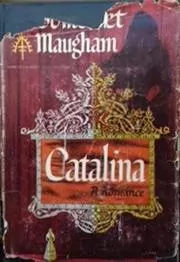
Catalina
by W Somerset Maugham
1948
Crippled teenager Catalina claims to see the Virgin during a religious festival in Spain and is suddenly, miraculously cured. In the age of the Inquisition, her supposed sainthood makes her a prize for church and state, but Catalina stubbornly insists on choosing love, a life on the stage and her own path to freedom.

Here and There
by W Somerset Maugham
1948
Here and There brings together more than twenty of Maugham's shorter pieces, many set in cafés, ships, hotels and colonial stations. The stories, some light, some quietly cruel, show how small encounters and chance remarks can reveal whole lives, whether at home in Europe or far away overseas.

Quartet: Stories
by W Somerset Maugham
1948
Published alongside a film of the same name, Quartet contains four of Maugham's stories, including The Facts of Life and The Colonel's Lady. The volume highlights his range, from gently comic family cautionary tales to cool dissections of marriage, vanity and self deception.
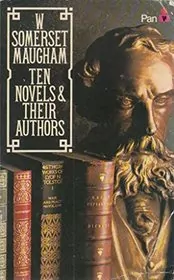
Ten Novels and Their Authors
by W Somerset Maugham
1948
A collection of essays on what Maugham considered the ten greatest novels ever written, from Tom Jones and Pride and Prejudice to War and Peace. For each he sketches the author's life, explains the book's strengths and flaws, and uses his own experience as a novelist to talk about how fiction works.

The Noble Spaniard
by W Somerset Maugham
1948
The Noble Spaniard is a frothy farce in which a romantic Spanish grandee descends on an English country house, sweeping a widowed heroine off her feet. Misunderstandings, secret engagements and cultural clichés abound as Maugham gently mocks both Latin ardour and British stiffness.

A Writer's Notebook
by W Somerset Maugham
1949
Drawn from the private notebooks he kept for nearly fifty years, this volume gathers observations, story ideas, travel impressions and brief character sketches. It offers a behind the scenes look at how incidents and scraps of talk slowly became plays, stories and novels, and at the changing concerns of a long writing life.

The Complete Short Stories Volume 2
by W Somerset Maugham
1950
This omnibus volume collects a large tranche of Maugham's shorter fiction, including many tales from his Malayan and South Seas periods. It offers readers a sustained immersion in his favoured territory of flawed, recognisable people tested by isolation, temptation and the small accidents of fate.

Trio: Stories
by W Somerset Maugham
1950
Issued with the film adaptation Trio, this book contains three substantial stories, among them The Verger and Sanatorium. Together they capture Maugham's gift for turning an apparently ordinary figure or setting into a quietly memorable study of pride, compromise, illness or unexpected contentment.

Collected Short Stories: Volume 1
by W Somerset Maugham
1951
Volume 1 of the collected short stories assembles early and middle period work, including many Malayan and South Seas tales. It is an ideal place to see how Maugham handles first person narration, tight plotting and the slow reveal of character under pressure.

Collected Short Stories: Volume 2
by W Somerset Maugham
1951
This second volume continues the chronological sweep, gathering stories that move between English provincial towns, European resorts and farther flung colonies. The range of settings is wide, but the focus remains on sharp, sometimes merciless insight into how people justify their desires.

Collected Short Stories: Volume 3
by W Somerset Maugham
1951
Volume 3 collects later stories in which Maugham, now an older man, often uses narrators looking back on youth, war and lost chances. The tone can be wistful or dryly amused, and the pieces revisit familiar ground with a greater emphasis on memory and the passing of time.

Collected Short Stories: Volume 4
by W Somerset Maugham
1951
The final volume in the collected series gathers remaining stories, including some rarer pieces. It rounds out the picture of Maugham as a storyteller who, across dozens of settings and situations, returned again and again to the puzzle of why people act against their own best interests and what, if anything, they learn afterward.

Encore: Stories
by W Somerset Maugham
1951
Encore, like Quartet and Trio before it, was tied to a film of Maugham stories and reprints three of them. Each showcases a different register, from light social comedy to darker moral fables, and together they form a compact introduction to his narrative voice.

The Complete Short Stories: Volume 3
by W Somerset Maugham
1951
Volume 3 of the collected stories continues to gather Maugham's work from different periods, mixing London tales with those set in Europe and the East. The book lets readers trace recurring characters and themes, and to see how his tone shifted from youthful irony to a more autumnal, reflective mood.
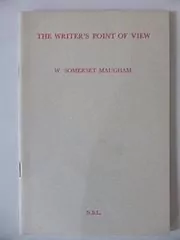
The Writer's Point of View
by W Somerset Maugham
1951
This brief essay, originally delivered as a lecture, sets out Maugham's plainspoken ideas about what a novelist owes the reader. He discusses viewpoint, honesty, style and the place of personal experience in fiction, encouraging writers to value clarity and human interest over experiment for its own sake.

The Vagrant Mood
by W Somerset Maugham
1952
A varied set of literary essays, The Vagrant Mood ranges from reflections on philosophers and painters to pieces on detective fiction and forgotten diarists. Maugham uses relaxed, anecdotal criticism to sketch striking personalities and to explore what he, as a working writer, looks for in other people's books.
The Partial View
by W Somerset Maugham
1954
In this later volume of essays and reminiscences, Maugham writes about writers, places and people who have meant something to him, while stressing that any critic only ever has a "partial view." The pieces mix literary judgment with autobiography, showing how his tastes were shaped by travel, theatre and long observation.
The Travel Books
by W Somerset Maugham
1955
Bringing together several of Maugham's travel works in one volume, The Travel Books collects his journeys through Spain, China and Southeast Asia. Readers meet bullfighters, monks, traders and colonial officials, and see how shifting landscapes fed the settings and characters of his fiction.
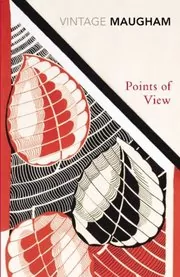
Points of View
by W Somerset Maugham
1958
Maugham's final book gathers five long essays on subjects ranging from Goethe's novels to the art of the short story and an Indian holy man he once met. Calm, shrewd and often humorous, they distil his mature views on how a writer's character shapes their work and why certain books endure.

Collected Short Stories
by W Somerset Maugham
1963
A single volume selection drawn from Maugham's many collections, Collected Short Stories gathers some of his best known pieces. Stories of colonial life, London clerks, artists, gamblers and failed saints sit side by side, showing the consistency of his interests and his economical storytelling.

Collected Stories
by W Somerset Maugham
2004
This modern selection of Maugham's stories, edited for contemporary readers, spans his whole career. It includes South Seas classics, London character pieces and late, rueful tales, underlining how often he returned to questions of freedom, responsibility and the stories people tell themselves to live with their choices.

The Skeptical Romancer
by W Somerset Maugham
2009
Chosen from Maugham's travel writings, The Skeptical Romancer traces his journeys from early trips in Spain to later visits to India, China, Russia and the United States. The pieces show a romantic eye drawn to colour and story, balanced by a sceptical sense of how myth and reality rarely match.
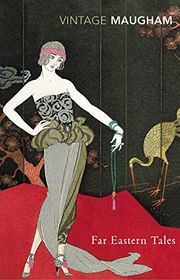
Far Eastern Tales
by W Somerset Maugham
Set in Malaya, Singapore, and other colonial outposts, these stories follow travelers and expatriates whose respectable appearances conceal difficult histories. Encounters aboard ships and in isolated settlements expose jealousy, frustrated ambition, and the consequences of past decisions.
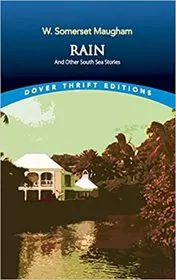
Rain and Other South Sea Stories
by W Somerset Maugham
These South Seas stories explore cultural conflict, desire and disillusionment. A missionary confronts a prostitute in Rain, rival officials clash in Mackintosh, and other tales examine rejected ambition, troubled marriages and lives shaped by the islands.
Recommended by
1 person Andrew Zimmern recommended this book
Andrew Zimmern
Andrew Zimmern's most-gifted or recommended book.
Andrew Zimmern's recommendation of this book
Where to start with W Somerset Maugham
If you want his big, immersive novels: Of Human Bondage → The Moon and Sixpence → The Razor's Edge.
If you prefer shorter, atmospheric fiction: The Painted Veil → Up at the Villa → Christmas Holiday.
If you love short stories: The Trembling of a Leaf → The Casuarina Tree → Ah King → Collected Short Stories.
If you are curious about his travels and life: The Land of the Blessed Virgin → On A Chinese Screen → The Gentleman in the Parlour → The Skeptical Romancer.
If you enjoy witty stage comedies: Lady Frederick → Our Betters → Home And Beauty → The Constant Wife.
W Somerset Maugham collections, short stories, and related book types
Short Stories/Novellas
Plays
Non-Fiction
Collections
Collected Short Stories/Novellas
Standalone W Somerset Maugham books
Author bio
W. Somerset Maugham was born in Paris in 1874, the youngest son of a British lawyer working at the embassy. His first language was French, and for a decade his world was the boulevards and salons of that city before a double loss changed everything.
By the time he was ten both parents had died, and he was sent to relatives in England. He went to The King's School, Canterbury, where his pronounced stammer and foreign-bred manner made him feel like an outsider. Books became an early refuge. So did the habit of watching people closely from the edge of the room, a habit that would fuel his fiction for the next sixty years.
After a year at Heidelberg University he trained as a doctor at St Thomas's Hospital in London. The work took him into the South London slums, into cramped rooms and crowded streets where he saw poverty, birth and death at close range. Out of those years came his first novel, Liza of Lambeth, written at night while he finished his medical studies. Its modest success in 1897 gave him proof that he could live by the pen. He qualified as a physician, then quietly set medicine aside.
In the years before the First World War he wrote hard and lived frugally, producing early novels and a stream of plays. The breakthrough came with the comedy Lady Frederick and a run of West End hits that briefly made him the most commercially successful dramatist in London. At one point in 1908 he had four plays running at once, a level of popularity that bought him financial freedom and the time to write the longer fiction he cared most about.
During the war he first drove ambulances in France, then worked for British intelligence in Switzerland and Russia. Those experiences fed directly into the linked spy stories collected as Ashenden, which helped shape a cooler, more psychologically minded kind of espionage fiction. Between assignments he kept drafting what became Of Human Bondage, his big, unsparing novel about a club footed young man wrestling with art, love and self respect.
From the 1910s through the 1940s he moved restlessly across Europe, Asia and the Pacific. The South Seas and Southeast Asia gave him material for many of his best known short stories, later gathered in volumes such as The Trembling of a Leaf, The Casuarina Tree and Ah King. His novels ranged from the artist's obsession of The Moon and Sixpence to the cholera stricken landscapes and marriage drama of The Painted Veil, the literary satire of Cakes and Ale, and the spiritual search traced in The Razor's Edge.
Maugham wrote in a plain, careful style, more interested in clarity than in ornament. Again and again he returned to a few durable subjects, among them compromise, ambition, sexual attraction and the gap between the lives people present to the world and the lives they actually live. Many of his stories unfold in clubs, boarding houses and verandas where Europeans abroad are nudged into showing who they really are.
From the late 1920s he made his home at a villa on Cap Ferrat in the south of France. He shared much of his adult life with his partner Gerald Haxton, who travelled with him in the Far East, and later with his companion Alan Searle. When he was not on the move he wrote essays, travel books, more stories and the reflective memoir The Summing Up, along with A Writer's Notebook, drawn from the journals he had kept since youth.
He lived to see his work adapted again and again for stage and screen, and to watch fashions in literature swing away from the kind of storytelling he practised. Yet his books continued to sell in large numbers, especially in the English speaking world. He died in Nice in 1965, leaving behind a body of work that still attracts readers who like clean prose, sharp observation and stories about the moral bargains ordinary people make when nobody is supposed to be looking.











Edited by
Software engineer whose passion for tracking book recommendations from podcasts inspired the creation of MRB.
Lead investor at 3one4 Capital whose startup expertise and love for books helped shape MRB and its growth.
Comments
Did we miss something? Have feedback?
Help us improve this page by sharing your thoughts