
Viriconium Books in Order
Part ofM John Harrison Books in OrderBrowse the Viriconium books in order by M John Harrison, with reading order, short summaries, series background, and tips on the best place to start.
Last updated:
As an Amazon Associate, we earn from qualifying purchases (at no extra cost to you).
Viriconium books in publication order
4 books
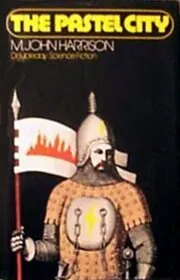
The Pastel City
by M John Harrison
1971
Lord tegeus-Cromis leaves retirement to defend Viriconium, a decaying far-future city where forgotten technology looks like magic. What begins as a quest fantasy quickly turns stranger, sadder, and more uneasy.
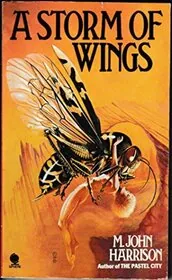
A Storm of Wings
by M John Harrison
1980
Viriconium faces an invasion that feels part alien assault, part change in how reality is seen. Old loyalties and old certainties break down as the city slips deeper into nightmare.
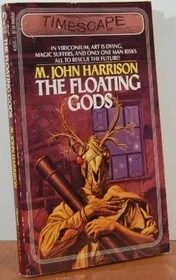
The Floating Gods / In Viriconium
by M John Harrison
1982
In a city gripped by exhaustion and metaphysical plague, an artist moves through intrigue, decay, and dark comedy. Harrison shifts the series away from heroic adventure toward something dreamlike and unsettling.
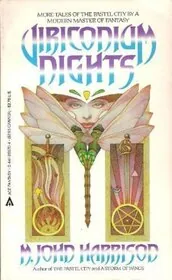
Viriconium Nights
by M John Harrison
1984
These linked stories wander through Viriconium's streets, masks, and failures, showing the city from oblique angles. Together they make the setting feel more haunted, unstable, and unforgettable.
Viriconium books in chronological order
Series background & context
Viriconium is the series most closely tied to M John Harrison's name, and it is one of those fantasy worlds that keeps refusing to sit still. At first glance it looks like a dying-earth epic, set on a far-future Earth where empires have crumbled, technology survives only as fragments, and the city of Viriconium stands amid the wreckage of older ages. But the deeper you go, the less stable everything becomes.
The Pastel City begins closest to recognizable quest fantasy. Lord tegeus-Cromis, who would rather be a poet than a warrior, is pulled back into conflict to help defend Viriconium. There are rival queens, ancient weapons, and threats left over from civilizations so old they have become legend. The setting already carries Harrison's usual melancholy. People still use the leftovers of power, but they do not fully understand them, and the world feels tired long before it ends.
Then the air gets stranger.
In A Storm of Wings, the series swerves away from straightforward adventure. An invasion arrives, but it is not just a military threat. It feels like a change in perception, almost a war between incompatible ways of being alive. By the time you reach In Viriconium, the focus has narrowed further. The grand campaign has given way to artists, sickness, lethargy, obsession, and a city sinking into its own mood. The action grows more inward, the humor darker, and the sense of reality more unstable.
That shift is a big part of what makes the series memorable. Viriconium is not simply a backdrop. It behaves like a living argument about fantasy itself. Maps stop helping. Heroism becomes suspect. The city in one book is not quite the city in the next. Harrison keeps asking what remains when you strip away the comfort of genre, and one answer is this: streets, bodies, weather, waste, memory, and people still trying to make art or meaning at the edge of collapse.
Viriconium Nights pushes that feeling even further. The linked stories move through side streets, failed performances, masks, bad luck, and half understood legends. Instead of giving the reader a master key, they make the city feel more haunted and more various. You come away with the sense that Viriconium is always rewriting itself and that nobody inside it sees the whole shape.
So what should you expect? A mix of science fantasy, black comedy, decay, and dream logic. These are not comfort reads, and they are not built like modern epic fantasy series with fixed rules and steadily expanding lore. They are more slippery, more self-questioning, and much more interested in atmosphere.
Read the books in order if you can. Starting with The Pastel City lets you feel the ground shift under your feet, from battered quest story to something stranger, sadder, and harder to classify. That slow transformation is the series.



Edited by
Software engineer whose passion for tracking book recommendations from podcasts inspired the creation of MRB.
Lead investor at 3one4 Capital whose startup expertise and love for books helped shape MRB and its growth.
Comments
Did we miss something? Have feedback?
Help us improve this page by sharing your thoughts