
V-Wars Books in Order
Part ofJonathan Maberry Books in OrderSee the V-Wars books by Jonathan Maberry in order, with quick summaries, series background, and help finding your way into the vampire war.
Last updated:
As an Amazon Associate, we earn from qualifying purchases (at no extra cost to you).
V-Wars books in publication order
7 books
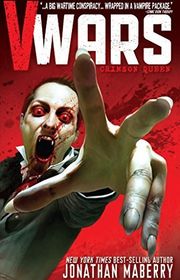
Crimson Queen
by Jonathan Maberry
2012
This graphic collection chronicles the early days of the V-Wars, with new vampire strains and immediate human backlash. It plays the premise as fast pandemic horror with bloodier visuals.
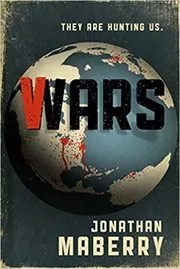
V-Wars
by Jonathan Maberry
2012
This shared-world anthology begins the vampire war after a virus triggers dormant DNA and transforms people across the globe in different ways. Maberry turns vampire fiction into outbreak horror, politics, and social collapse.
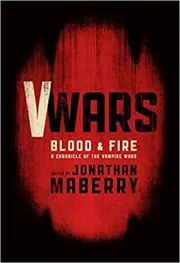
Blood and Fire
by Jonathan Maberry
2014
A year into the outbreak, the vampire war is fully under way and every side is learning how bad it can get. The stories keep widening the conflict while pushing harder into fear, combat, and division.
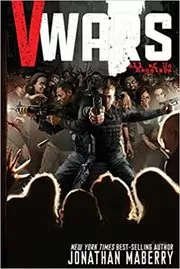
All of Us Monsters
by Jonathan Maberry
2015
This V-Wars comic installment drops readers into another violent corner of the vampire conflict. The war is personal, messy, and built on the series' fear that everyone is becoming dangerous to everyone else.
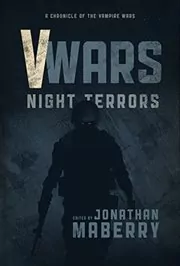
Night Terrors
by Jonathan Maberry
2015
The vampire war moves into homes, streets, and relationships, because anyone can change at any time. This volume leans into the way fear makes even family life feel unsafe.
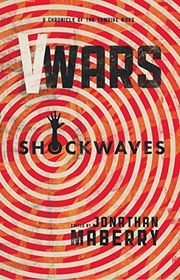
Shockwaves
by Jonathan Maberry
2016
The vampire war keeps spreading, and these stories focus on ripple effects, sudden turnings, and the cost of living in a world where infection never feels far away. It keeps the series' mix of horror and social fracture.
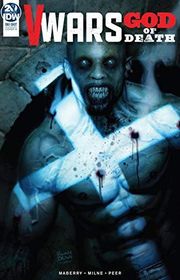
God of Death One-Shot
by Jonathan Maberry
2019
This comic one-shot adds another sharp, bloody slice of the V-Wars universe. It blends monster mythology with outbreak panic and the sense that the world is only getting worse.
V-Wars books in chronological order
Series background & context
V-Wars is Jonathan Maberry's vampire project, but it does not behave like a traditional vampire series. The key idea is viral rather than gothic. A hidden virus activates junk DNA in infected people, and what emerges is not one neat, universal version of vampirism. Different people change in different ways depending on lineage and biology, which means the world suddenly has not one vampire type but many. That one move gives the series a lot of room to play.
It also makes the panic feel modern.
Instead of creaky castles and one master bloodsucker in a cape, V-Wars is about outbreak, media fear, politics, shifting identities, and societies breaking apart under pressure. Humans react badly, often brutally. Newly changed vampires react badly too, sometimes because they are terrified, sometimes because they are hungry, sometimes because war comes quickly when both sides decide coexistence is already over. Maberry treats the whole thing as a shared-world conflict rather than a single-hero narrative, which is why the books can move across different places, communities, and points of view.
That shared-world structure is the main thing to understand. The anthologies are less interested in one continuing protagonist than in charting the war itself. V-Wars starts with the first wave of transformation and the shock of the new reality. Blood and Fire, Night Terrors, and Shockwaves keep widening the damage, showing how the conflict spills from governments and militaries into neighborhoods, bedrooms, families, and ordinary daily life. If the person beside you can turn without warning, then everything becomes unstable.
That is where the horror really lives.
The comic side of the property, including Crimson Queen and other graphic entries, takes the same premise and leans into a faster, more visual kind of blood-soaked chaos. The world-building still matters, though. Maberry's version of a vampire war works because he treats it as cultural collapse as much as monster fiction. People do not just fight creatures. They fight fear, propaganda, policy, and the possibility that the old definition of human no longer applies cleanly.
There is a lot going on here, but the pitch stays simple. If you want vampire fiction that behaves more like pandemic fiction, this is the lane. If you want one elegant immortal villain monologuing in candlelight, it is probably not. V-Wars is messier, more political, more action-oriented, and much more interested in the idea that once the blood starts flowing, everyone is going to have to choose a side whether they want to or not.



Edited by
Software engineer whose passion for tracking book recommendations from podcasts inspired the creation of MRB.
Lead investor at 3one4 Capital whose startup expertise and love for books helped shape MRB and its growth.
Comments
Did we miss something? Have feedback?
Help us improve this page by sharing your thoughts