
Uptown Books in Order
Part ofRuby Lang Books in OrderSee the Uptown series by Ruby Lang in order, with quick summaries, Harlem-set romance background, and simple tips on where to start.
Last updated:
As an Amazon Associate, we earn from qualifying purchases (at no extra cost to you).
Uptown books in publication order
3 books
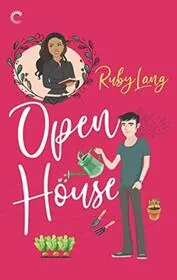
Open House
by Ruby Lang
2019
Tyson Yang wants to save a beloved Harlem community garden, while real estate associate Magda Ferrer needs a sale and a little breathing room. Their property battle turns heated in every sense, especially once attraction gets involved.
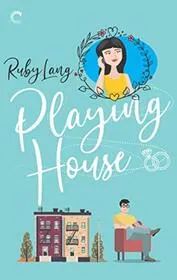
Playing House
by Ruby Lang
2019
When city planners Fay Liu and Oliver Huang pretend to be newlyweds on a Harlem house tour, the act is supposed to solve one awkward moment. Instead, open houses, architecture talk, and real attraction start making the fake relationship feel dangerously easy.
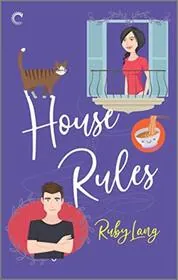
House Rules
by Ruby Lang
2020
Long-divorced Lana Kuo and Simon Mizrahi become temporary roommates while hunting for an apartment in Harlem. Old habits, old hurts, and very current chemistry make their tidy three-month arrangement a lot harder to keep platonic.
Uptown books in chronological order
Series background & context
Uptown is a trio of connected contemporary romances set in Harlem, and the neighborhood is more than a backdrop. Brownstones, open houses, tiny apartments, garden lots, and block-level politics all shape who these characters are and what they want. Across the series, Ruby Lang uses real estate and city planning as a way to talk about adulthood itself: where you live, what you can afford, what feels permanent, and what kind of life you are actually trying to build.
In these books, home is never just a piece of property.
Playing House starts the series with Fay Liu and Oliver Huang, two city planners who end up posing as newlyweds while touring historic Harlem homes. The fake relationship setup gives the story its spark, but the deeper pull comes from how well they understand each other's work, ambitions, and quiet bruises. Fay is coming off a divorce, Oliver is under career and family pressure, and the house tours let them imagine different futures while pretending not to want one together.
Open House shifts to Tyson Yang and Magda Ferrer. Ty is tied to a Harlem community garden that means more to him than he expected, while Magda is a real estate associate trying to stay afloat under the weight of student debt and family expectations. Their conflict is more openly oppositional, since the sale of property could wipe out something Ty wants to protect. That push and pull gives the romance a sharper edge, but it still stays rooted in neighborhood life, food, money, and the limits of hustle.
House Rules closes the set with Lana Kuo and Simon Mizrahi, long-divorced exes who wind up sharing an apartment in Central Harlem when both need a place to live. That setup gives the book a more reflective tone. The question is not whether they once had chemistry. They clearly did. The question is whether time, disappointment, work changes, and the habits that split them up can make room for a different version of love now.
What ties the series together is less a single ongoing plot than a shared way of looking at grown-up romance. These characters have jobs, bills, family baggage, and a complicated relationship to the city around them. The books are sexy and funny, but also alert to burnout, loneliness, and the gap between the life you imagined at twenty-five and the life you actually have. The Harlem setting gives all of that texture, warmth, and pressure.
If you like romances that feel urban, observant, and very aware of space, Uptown is an easy place to start. The books are short and work well on their own, but reading in order makes the neighborhood connections and recurring faces even more satisfying.

Edited by
Software engineer whose passion for tracking book recommendations from podcasts inspired the creation of MRB.
Lead investor at 3one4 Capital whose startup expertise and love for books helped shape MRB and its growth.
Comments
Did we miss something? Have feedback?
Help us improve this page by sharing your thoughts