
Toxic Creatures Books in Order
Part ofLaura L Sullivan Books in OrderSee Laura L Sullivan's Toxic Creatures books in order, with quick summaries, series background, and where to start with these deadly animal guides.
Last updated:
As an Amazon Associate, we earn from qualifying purchases (at no extra cost to you).
Toxic Creatures books in publication order
1 book
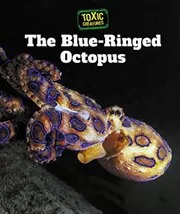
The Blue-Ringed Octopus
by Laura L Sullivan
2017
This nonfiction guide explores one of the world's most venomous sea creatures. It looks at the blue-ringed octopus's habitat, hunting habits, warning colors, and the science behind its dangerous bite.
Toxic Creatures books in chronological order
Series background & context
The Toxic Creatures series is exactly what the title promises, books about animals that defend themselves or hunt with venom, poison, or other dangerous chemistry. But the line is not built only on shock value. Its real job is to turn that initial fascination into a basic understanding of biology, habitat, behavior, and risk.
The creatures are scary. The books stay factual.
That balance matters. Young readers are often drawn to dangerous animals because the stakes feel immediate. What could this creature do? How does it kill? Could a person survive an encounter? The series uses those questions as an entry point, then widens out into science. Readers learn where the animal lives, what it looks like, how it hunts, how its toxic system works, and why warning colors or defensive behavior matter.
Laura L. Sullivan's The Blue-Ringed Octopus is a perfect fit for that format. The animal itself is famous for the contrast between appearance and threat, small, beautiful, and extremely venomous. A series like this can use that contrast to good effect, showing how a creature's size tells you very little about its power. In a short book, that becomes a memorable lesson.
Books in the line often work well for browsers and reluctant readers because the information is naturally dramatic. Still, the better entries do more than pile up scary facts. They frame these animals as part of ecosystems. A toxic creature is not evil. It is adapted. Its venom or poison has a purpose, and understanding that purpose leads to better science reading.
There is usually a strong visual element too. Range maps, labeled diagrams, close-up photos, and sidebars all help translate specialized information into something easier to hold onto. That structure makes the series useful for reports, but also good for plain curiosity reading, the kind where a reader opens the book for one astonishing fact and ends up learning far more.
If you know a young reader who loves dangerous-animal books but also wants real information, Toxic Creatures lands in a satisfying middle space. It delivers the thrill, then backs it up with enough science to make the fear more informed and the fascination more lasting.
Edited by
Software engineer whose passion for tracking book recommendations from podcasts inspired the creation of MRB.
Lead investor at 3one4 Capital whose startup expertise and love for books helped shape MRB and its growth.
Comments
Did we miss something? Have feedback?
Help us improve this page by sharing your thoughts