
Tom Clancy's Op-Center (Steve Pieczenik) Books in Order
Part ofSteve Pieczenik Books in OrderExplore the classic Tom Clancy's Op-Center books by Steve Pieczenik in order, with summaries, series background, and clear guidance on where to start.
Last updated:
As an Amazon Associate, we earn from qualifying purchases (at no extra cost to you).
Tom Clancy's Op-Center (Steve Pieczenik) books in publication order
1 book
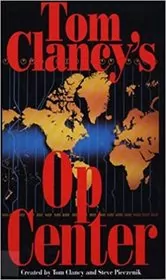
Op-Center
by Steve Pieczenik
1995
In the first Op‑Center novel, a bombing in Seoul is staged to look like a North Korean provocation. Director Paul Hood and his crisis team must untangle the conspiracy, calm nervous allies, and stop a rogue general before missiles fly.
Tom Clancy's Op-Center (Steve Pieczenik) books in chronological order
Series background & context
Tom Clancy's Op-Center begins with a simple but flexible idea: create a small government crisis unit that can respond when intelligence agencies, diplomats, police, and the military all have part of the picture but no one has the whole thing. The agency is formally the National Crisis Management Center. Inside Washington, it is simply Op-Center.
Steve Pieczenik co-created the premise with Tom Clancy, and the original novels treat the agency as a nerve center for modern emergencies. Paul Hood, a former mayor with a practical political streak, is chosen to lead it. He is not a career spy or a battlefield commander, which makes him a useful fit for a job that depends on bringing very different people into the same room.
General Mike Rodgers is Hood's military counterpart and heads Striker, the unit that goes into the field when a crisis cannot be solved from a briefing room. Analysts, communications experts, law-enforcement contacts, and foreign partners fill out the team. They do not always agree, and the books make room for the friction between agencies with competing loyalties and priorities.
The action moves from Washington to places where local conflicts could become far larger ones. In Op-Center, a bombing in Seoul risks setting off a confrontation on the Korean peninsula. Later stories visit post-Soviet Russia, Germany, the Middle East, South Asia, and other pressure points shaped by nationalism, terrorism, weapons trafficking, or political instability.
The agency is only as good as the information it can trust.
That gives the series its rhythm. One thread may follow staff members sorting through incomplete reports and tense calls from officials. Another follows Striker or local allies working in dangerous conditions. The suspense comes from seeing how slowly a pattern emerges, then wondering whether Op-Center can act before the people driving the conflict get what they want.
These books are ensemble political thrillers rather than single-hero adventures. The hardware and operations matter, but so do diplomacy, public pressure, family strain, and the personal judgment of people who are always on call. Start with Op-Center to meet Hood, Rodgers, and the agency at its beginning, then continue in publication order to follow how their missions and the political landscape grow more complicated.












Edited by
Software engineer whose passion for tracking book recommendations from podcasts inspired the creation of MRB.
Lead investor at 3one4 Capital whose startup expertise and love for books helped shape MRB and its growth.
Comments
Did we miss something? Have feedback?
Help us improve this page by sharing your thoughts