
Tipp Talk Books in Order
Part ofGreg Enslen Books in OrderSee Greg Enslen's Tipp Talk books in order, with concise summaries, series background, and an easy place to start with these columns.
Last updated:
As an Amazon Associate, we earn from qualifying purchases (at no extra cost to you).
Tipp Talk books in publication order
4 books

Tipp Talk 2010
by Greg Enslen
2011
A collection of 2010 columns about small-town life in Tipp City, Ohio. Along with local events and changes, Enslen reflects on closing his downtown business and the reasons community life still matters.

Tipp Talk 2011
by Greg Enslen
2012
A year of weekly columns about Tipp City, Ohio, and the surrounding region. Enslen records local events and everyday life while considering job losses, rising infrastructure costs, and an uncertain economy.
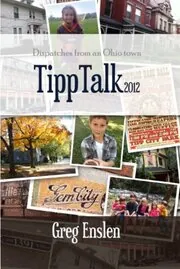
Tipp Talk 2012
by Greg Enslen
2014
A collection of Greg Enslen's 2012 newspaper columns about life in and around Tipp City, Ohio. It records local events, job losses, infrastructure costs, and the strain of a weak economy.
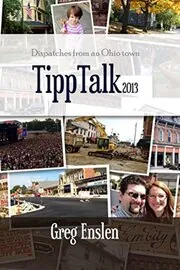
Tipp Talk 2013
by Greg Enslen
2014
This collection gathers Enslen's 2013 columns from Tipp City, Ohio. A major downtown construction project, disrupted streets, diverted traffic, and the effect on businesses and residents shape much of the year's record.
Tipp Talk books in chronological order
Series background & context
The Tipp Talk books collect Greg Enslen's weekly newspaper columns about life in Tipp City, Ohio. They are nonfiction snapshots of a small Midwestern town, covering local events, civic questions, business concerns, and the ordinary moments that can say a lot about a place.
There is no made-up plot here.
Instead, each volume gathers columns from a calendar year. The books preserve the concerns people were talking about at the time, from local activities and regional changes to economic worries and the practical challenges facing a town. They also leave room for Enslen's day-to-day observations, which can be thoughtful, amused, frustrated, or all three at once.
Tipp Talk 2010 sets the pattern. It looks back over a year of changes, events, and small-town routines, while also including personal pieces about closing Enslen's downtown business and why he felt small-town life was worth choosing. That mix of public and private material gives the collection its character. It is about a town, but also about what it means to belong to one.
The 2011 and 2012 collections continue that local record. They cover events in and around Tipp City, just north of Dayton, while reflecting on job losses, infrastructure costs, and a weak economy. Rather than treating those subjects as distant headlines, the columns bring them down to the scale of streets, shops, families, and local decisions.
Small places have big arguments, too.
Tipp Talk 2013 focuses in part on a major downtown construction project that disrupted the historic shopping district. Streets were torn up, traffic was rerouted, and local businesses and residents had to live with the result for months. The volume captures why such a project could become a major local issue, even when people agreed that something needed to be done.
The setting matters throughout the series. Tipp City is not presented as a postcard town where nothing changes. It is a working community with history, pressures, disagreements, and people trying to make good choices with limited time and money. Enslen writes from inside that world, paying attention to both civic life and the small details that make a community feel specific.
These collections are best read as essays and columns, not as a continuous narrative. A reader can begin with any year that interests them, though Tipp Talk 2010 is a natural starting point because it establishes the format and includes the personal context behind the column. Reading in order offers a broader view of how one Ohio town changed from 2010 through 2013.
For readers who enjoy local history, community writing, or the overlooked drama of everyday civic life, Tipp Talk is a grounded record of a particular time and place.









Edited by
Software engineer whose passion for tracking book recommendations from podcasts inspired the creation of MRB.
Lead investor at 3one4 Capital whose startup expertise and love for books helped shape MRB and its growth.
Comments
Did we miss something? Have feedback?
Help us improve this page by sharing your thoughts