
Tinfoil Dossier Books in Order
Part ofCaitlin R Kiernan Books in OrderExplore the Tinfoil Dossier series by Caitlin R Kiernan in order, with novella summaries, background on the cosmic spy plot, and where to start.
Last updated:
As an Amazon Associate, we earn from qualifying purchases (at no extra cost to you).
Tinfoil Dossier books in publication order
3 books
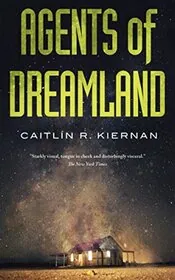
Agents of Dreamland
by Caitlin R Kiernan
2017
A shadowy government operative called the Signalman investigates a desert cult, a brilliant scientist, and a threat arriving from beyond Pluto. It is cosmic horror told like a classified spy report from the edge of the end.
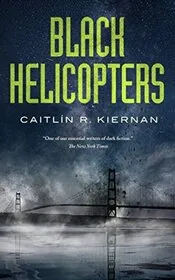
Black Helicopters
by Caitlin R Kiernan
2018
Ptolema and other damaged operatives find the world slipping loose from reason as rival agencies circle one another in secret. This novella turns paranoia, cosmic dread, and invisible war into something bleak and gripping.

The Tindalos Asset
by Caitlin R Kiernan
2020
The Signalman drags a ruined field agent back into service when another apocalypse starts to bloom. Ellison Nicodemo is barely holding together, but she may be the only person who can face what is coming.
Tinfoil Dossier books in chronological order
Series background & context
The Tinfoil Dossier books are where Caitlin R Kiernan takes cosmic horror and runs it through the machinery of a spy thriller. The result is leaner and faster than some of the longer novels, but not simpler. These novellas are full of secret agencies, coded missions, unreliable reports, cults, ruined operatives, and the steady feeling that reality is being eaten from the edges inward.
At the center of the series is the Signalman, an enigmatic government figure who seems to stand at the edge of every disaster. He is not the only point-of-view character, though, and that is part of what gives the series its shape. Each book shifts attention to different operatives and witnesses, people who have already seen too much and are still being dragged back for one more job. Ptolema, Ellison Nicodemo, and others do not feel like polished heroes. They feel used up, compromised, and frighteningly small beside what they are up against.
That is the point.
The series opens with Agents of Dreamland, where desert cults, a mysterious scientist, and a threat from beyond Pluto begin to line up into something apocalyptic. Black Helicopters widens the field, showing rival agencies, failing systems, and a world that no longer obeys its own rules. The Tindalos Asset pushes the damage further still, with a broken field agent forced back into service when the next catastrophe is already underway.
These books read like fragments from a war most people do not know is happening. The war is not only between governments or factions. It is between human scale and cosmic scale, between whatever order we have built and forces that do not notice or care that we exist. Kiernan is drawing on Lovecraftian ideas here, but the mood is more modern and more paranoid. It is not about dusty scholars finding one bad book. It is about information control, surveillance, compromised institutions, and the sense that the people in charge have already lost the map.
The settings help keep things sharp. Arizona desert compounds, New England coastlines, seedy apartments in Los Angeles, holding rooms, motels, highways, interview transcripts, half-burned files, all of it feels temporary and brittle. Nobody is ever far from collapse. The prose stays suggestive, but the books still move with real momentum.
Short does not mean small.
If you are deciding what kind of series this is, think cosmic espionage, end-times dread, and damaged professionals trying to contain horrors that cannot really be contained. The novellas connect, but each one has its own angle on the same invisible war. Read in order, they build into a chilling picture of a world already under siege.









Edited by
Software engineer whose passion for tracking book recommendations from podcasts inspired the creation of MRB.
Lead investor at 3one4 Capital whose startup expertise and love for books helped shape MRB and its growth.
Comments
Did we miss something? Have feedback?
Help us improve this page by sharing your thoughts