
Tillerman Cycle Books in Order
Part ofCynthia Voigt Books in OrderSee the Tillerman Cycle by Cynthia Voigt in order, with summaries of each book, series background, key characters, and advice on where to start.
Last updated:
As an Amazon Associate, we earn from qualifying purchases (at no extra cost to you).
Tillerman Cycle books in publication order
7 books
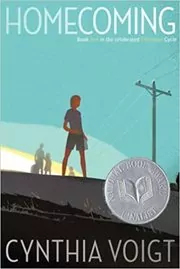
Homecoming
by Cynthia Voigt
1981
Abandoned in a Connecticut parking lot, Dicey Tillerman leads her three younger siblings on foot toward the only relative they know. It is a gripping survival story about hunger, grit, and the fierce need to stay together.
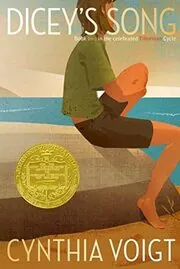
Dicey's Song
by Cynthia Voigt
1982
Safe at last with Gram in Maryland, Dicey discovers that finding shelter is easier than learning how to live there. As school, work, music, and family grief close in, she has to figure out who she is besides the one who keeps everyone going.
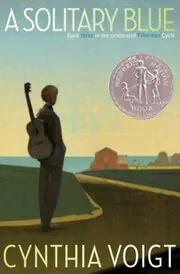
A Solitary Blue
by Cynthia Voigt
1983
Jeff Greene grows up with a distant father and the ache of a mother who left him behind. When she reappears and offers him summers full of warmth, Jeff has to learn what love can give, and what it can take away.
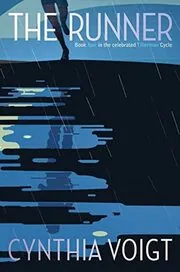
The Runner
by Cynthia Voigt
1985
Before the Tillerman children were born, their uncle Bullet ran hard and stayed angry. As a gifted track star is pushed to mentor another boy, he begins to see both the damage in his family and the limits of running from it.
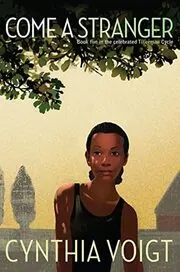
Come a Stranger
by Cynthia Voigt
1986
Mina Smiths wins a scholarship to ballet camp and imagines a clear future for herself. Instead she runs into hard truths about race, belonging, and desire, and begins to rethink who she is becoming.
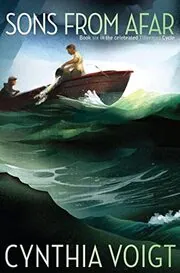
Sons from Afar
by Cynthia Voigt
1987
James and Sammy Tillerman could hardly be more different, but they share one unanswered question about the father who abandoned them. Their search brings conflict, insight, and a new understanding of each other.
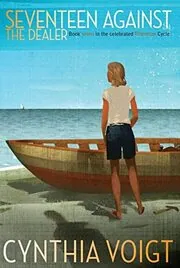
Seventeen Against the Dealer
by Cynthia Voigt
1989
Seventeen-year-old Dicey wants to build boats and run her own business on her own terms. But work, love, and one badly placed trust push her to find out what independence really costs.
Tillerman Cycle books in chronological order
Series background & context
The Tillerman Cycle starts with one of the great opening shocks in children's fiction: four siblings have been abandoned, and thirteen-year-old Dicey has to get James, Maybeth, and Sammy to safety without letting anyone split them up. Homecoming begins as a road story, but what makes the series last is that survival is only the surface problem. Underneath it are bigger questions about loyalty, pride, grief, work, and what a family is when the adults have failed.
In Dicey's Song, the children finally reach a place where they might be able to stay, their grandmother's farm near Crisfield, Maryland. That changes the series in an important way. The danger is no longer just hunger, money, and the road. Now the Tillermans have to learn how to live in one place, go to school, trust somebody older, and make room for their own futures.
Staying together is only the beginning.
From there the cycle grows outward. Some books stay close to Dicey, especially as she gets older and tries to turn boatbuilding into a life of her own. Others shift to people around the family: Jeff Greene in A Solitary Blue, Bullet Tillerman in The Runner, Mina Smiths in Come a Stranger, and James and Sammy in Sons from Afar. That widening lens is part of the series' strength. The books do not treat one character as the whole story.
The setting matters. Maryland's Eastern Shore, with its boats, weather, farms, and small-town routines, gives the books a solid physical world. So do the ordinary details of chores, music lessons, school trouble, odd jobs, and shared meals. Voigt is very good at showing how big emotional changes are carried inside small daily acts.
Race, class, and social standing are never far from the surface, especially once the series begins to follow friends outside the immediate family. Voigt notices who gets listened to, who gets underestimated, and how money, education, and history shape a young person's choices without deciding everything for them.
These books grow up as the characters do.
The tone is realistic, steady, and unsentimental, but never cold. These characters can be stubborn, funny, smart, ungenerous, brave, or quietly kind, sometimes all in the same chapter. If you like family-centered fiction that gets tougher and deeper as it goes, this cycle has a lot to offer, and it is best read in publication order so you can watch that widening world take shape.





Edited by
Software engineer whose passion for tracking book recommendations from podcasts inspired the creation of MRB.
Lead investor at 3one4 Capital whose startup expertise and love for books helped shape MRB and its growth.
Comments
Did we miss something? Have feedback?
Help us improve this page by sharing your thoughts