
Thorne Smith Books in Order
Browse Thorne Smith books in order, with quick summaries, series notes, and simple where-to-start tips for his comic, ghostly, and fantasy fiction.
Last updated:
As an Amazon Associate, we earn from qualifying purchases (at no extra cost to you).
Thorne Smith books in publication order
19 books

Biltmore Oswald
by Thorne Smith
1918
In these comic diary pieces, naive naval recruit Biltmore Oswald lurches through World War I service life, social blunders, and romantic trouble. The charm is his total sincerity as the world keeps making a fool of him.
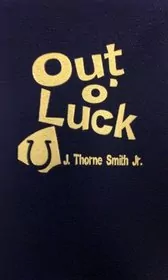
Out O' Luck
by Thorne Smith
1919
Biltmore Oswald heads to sea in a sequel that keeps the same deadpan innocence and steady run of bad luck. Shipboard routines, travel, and small disasters turn military life into one long farce.
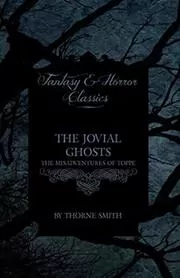
The Jovial Ghosts: The Misadventures of Topper
by Thorne Smith
1926
This retitled edition of Topper follows Cosmo Topper's first collision with the Kerbys, a dead couple who refuse to stay quiet. What begins with a haunted car turns into a boozy, ghost-ridden escape from respectability.
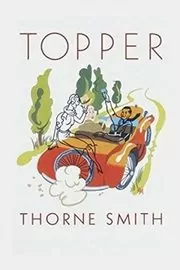
Topper
by Thorne Smith
1926
Cosmo Topper, a cautious banker with a dull routine, buys a secondhand car and discovers it is haunted by George and Marion Kerby. Their ghostly interference pushes him toward scandal, freedom, and a life far stranger than he planned.
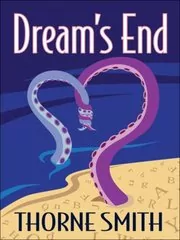
Dream's End
by Thorne Smith
1927
Tired of advertising and ordinary life, David Landor drifts into a darker, more romantic world by the sea. Smith swaps comedy for mood here, building a love triangle steeped in longing, illusion, and unease.
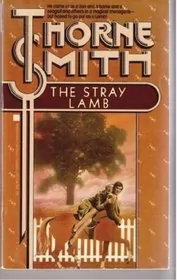
The Stray Lamb
by Thorne Smith
1929
Mild commuter T. Lawrence Lamb meets a mysterious little man and starts changing into animals at the worst possible times. The result is a strange, funny, and unexpectedly searching look at marriage, desire, and second chances.
Did She Fall?
by Thorne Smith
1930
Before an engagement celebration at the Crewe estate, the dazzling Emily-Jane Seabrook meets a violent end. What follows is a sharp, fast-moving mystery full of suspicion, old entanglements, and people who know more than they say.
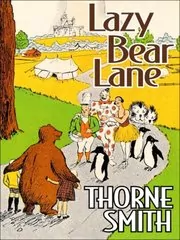
Lazy Bear Lane
by Thorne Smith
1931
Written for younger readers, this gentle fantasy sends Peter into the company of an extraordinary magic bear. The story is lighter and sweeter than Smith's adult fiction, but it keeps his love of odd talk and sudden wonder.
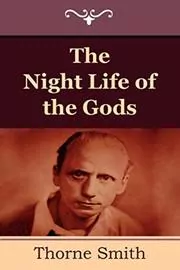
The Night Life of the Gods
by Thorne Smith
1931
Inventor Hunter Hawk discovers how to turn living creatures into stone and statues into living beings. Soon the gods themselves are loose in New York, and Smith turns myth, science, and city life into gleeful chaos.
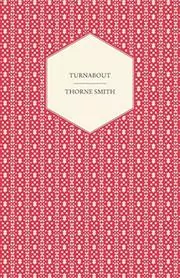
Turnabout
by Thorne Smith
1931
After a bickering husband and wife wish they could trade places, an Egyptian idol grants exactly that. Tim and Sally Willows must survive each other's lives, and the body-swap comedy gets sharper the longer the joke runs.
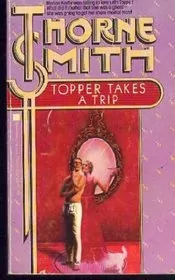
Topper Takes a Trip
by Thorne Smith
1932
Topper reunites with the Kerbys on a Riviera holiday that quickly becomes anything but restful. Ghostly meddling, marital strain, and fresh public chaos make this sequel another brisk supernatural farce.
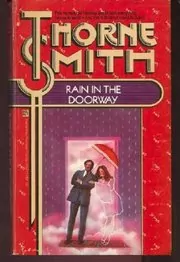
Rain in the Doorway
by Thorne Smith
1933
While waiting in a doorway, Hector Owen is pulled into a life of sudden partnership, heavy drinking, and dangerous temptation. Department store politics and his bond with Satin Knightly keep this comic fantasy moving at full tilt.
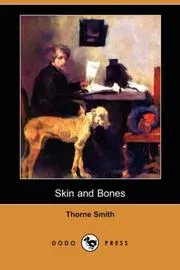
Skin and Bones
by Thorne Smith
1933
Photographer Quintus Bland's experiments go badly wrong, leaving him able to appear as little more than a living skeleton. Smith turns the grotesque premise into a comic sprint through panic, drink, and misbehavior.

The Glorious Pool
by Thorne Smith
1934
Rex Pebble discovers that a backyard pool can make old bodies young again. That fountain-of-youth idea gives Smith room for jealousy, desire, and a lot of reckless behavior before the magic settles into trouble.
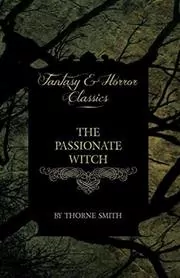
The Passionate Witch
by Thorne Smith
1941
A proper widower rescues a mysterious woman from a fire and soon finds himself married to a witch. Published after Smith's death and completed by Norman Matson, it mixes romance, magic, and comic ruin.

A Smokey Lady in Knickers
by Thorne Smith
2011
This short supernatural comedy drops an eccentric female apparition into ordinary life and lets the chaos build. It is brief, mischievous, and a good glimpse of the ghostly humor Smith would later develop more fully.

Haunts and By-Paths, and Other Poems
by Thorne Smith
2011
Smith's early poetry collection shows a quieter side of his imagination. The poems are more reflective than the novels, but readers can already see his feel for mood, wandering lives, and offbeat turns of phrase.

Yonder's Henry
by Thorne Smith
2015
A reunion in Texas leads to a thoroughly cockeyed fox hunt, with Henry the hound stealing the show. The piece is short, dryly narrated, and full of the kind of comic confusion Smith handled so well.

The Bishop’s Jaegers
by Thorne Smith
2020
Coffee heir Peter Van Dyke is swept out of his high-society routine and into a foggy misadventure with a very odd group of fellow travelers. The trip ends at a nudist colony, where Smith lets social rules fall apart.
Where to start with Thorne Smith
If you want the classic ghost comedy: Topper → Topper Takes a Trip
If you want his wildest fantasy: The Night Life of the Gods → Turnabout
If you want early military humor: Biltmore Oswald → Out O' Luck
If you want strange suburban farce: The Stray Lamb → Skin and Bones
If you want the serious outlier: Dream's End
Thorne Smith sub-series and character series
Thorne Smith collections, short stories, and related book types
Short Stories/Novellas
Collections
Standalone Thorne Smith books
Author bio
Thorne Smith was born in Annapolis, Maryland, on March 27, 1892, the son of a Navy commodore. He grew up in a Navy family world, moved through boarding and prep schools in Virginia and Pennsylvania, and spent two years at Dartmouth College before leaving in 1912.
For a while he worked in advertising, which turned out to be useful training. He learned how to write fast, how to land a joke without slowing the sentence down, and how to keep copy lively even when the subject was ordinary. Those habits stayed with him when his fiction started wandering into ghosts, gods, witches, and impossible body swaps.
Then the Navy gave him his first real opening.
During World War I he enlisted and became editor of The Broadside, a Naval Reserve paper. There he began writing the comic pieces that became Biltmore Oswald and Out O' Luck. They are early books, but you can already hear the Smith rhythm: deadpan narration, a man in over his head, and a calm voice describing ridiculous trouble as if it were perfectly normal.
After the war he drifted through Greenwich Village, took part-time advertising work when he needed it, and married Celia Sullivan in 1919. Their daughters, Marion and June, were born in 1922 and 1924. Smith also spent time in Free Acres, the experimental community in Berkeley Heights, New Jersey. Friends remembered that he liked his New Jersey home, and that he preferred easy company to grand literary posturing.
Everything changed with Topper in 1926. Its cautious banker, Cosmo Topper, and the lively dead couple George and Marion Kerby made Smith famous. Topper Takes a Trip kept that mix of flirtation, haunting, and farce going, and the books reached a huge readership. Readers liked how he took respectable adults, added drink, desire, and one impossible event, and watched their tidy lives come apart.
He did not stay in one lane.
The Night Life of the Gods turns a cranky inventor loose on living statues and Roman gods in New York. Turnabout swaps the bodies of Tim and Sally Willows and turns a marriage fight into comic warfare. The Stray Lamb sends an unhappy commuter through bizarre animal transformations. Even when the premise is wild, Smith keeps returning to familiar people: bankers, husbands, ad men, social climbers, suburban worriers. What readers tend to love is the combination of speed, irreverence, and the feeling that one bad idea can tip an ordinary evening into beautiful nonsense.
Not every book followed that path. Dream's End is a more serious romantic detour, Did She Fall? leans into mystery, and Lazy Bear Lane, written for children and dedicated to his daughters, shows a gentler side. That range matters. Smith is often remembered only for Topper, but his shelf is stranger and wider than that.
Smith died of a heart attack in Florida on June 20, 1934, when he was only forty-two. He left The Passionate Witch unfinished, and Norman Matson later completed it for publication. Even so, the ideas kept traveling. Films, television shows, and later supernatural comedies borrowed freely from the kind of trouble Smith liked best, where the dead are cheerful, the living are confused, and nobody gets to stay respectable for long.







Edited by
Software engineer whose passion for tracking book recommendations from podcasts inspired the creation of MRB.
Lead investor at 3one4 Capital whose startup expertise and love for books helped shape MRB and its growth.
Comments
Did we miss something? Have feedback?
Help us improve this page by sharing your thoughts